Buckwheat Honey
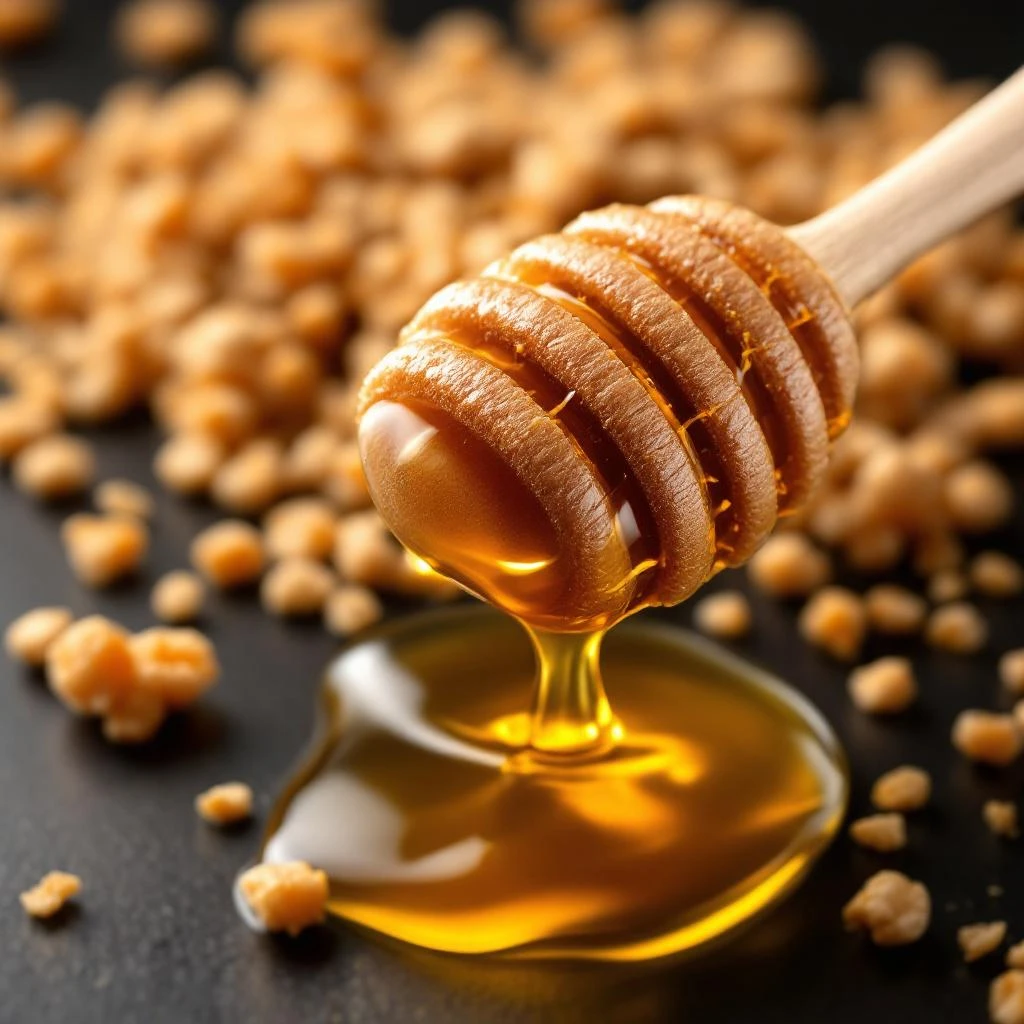
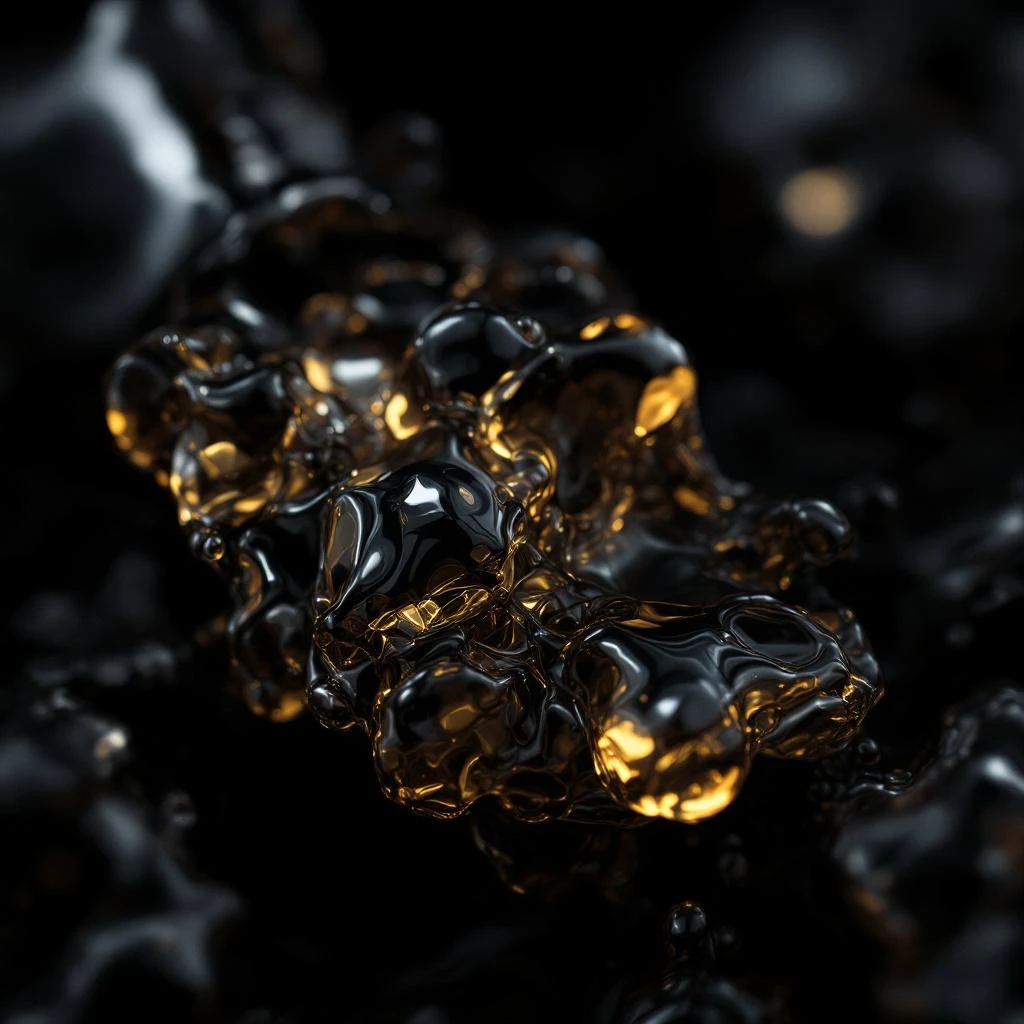
Buckwheat honey delivers a dark, caramel‑rich sweetness in fragrance, grounding bright notes with earthy depth and a whisper of toasted grain.
Character
How it smells
Earthy caramel sweetness from the buckwheat field.
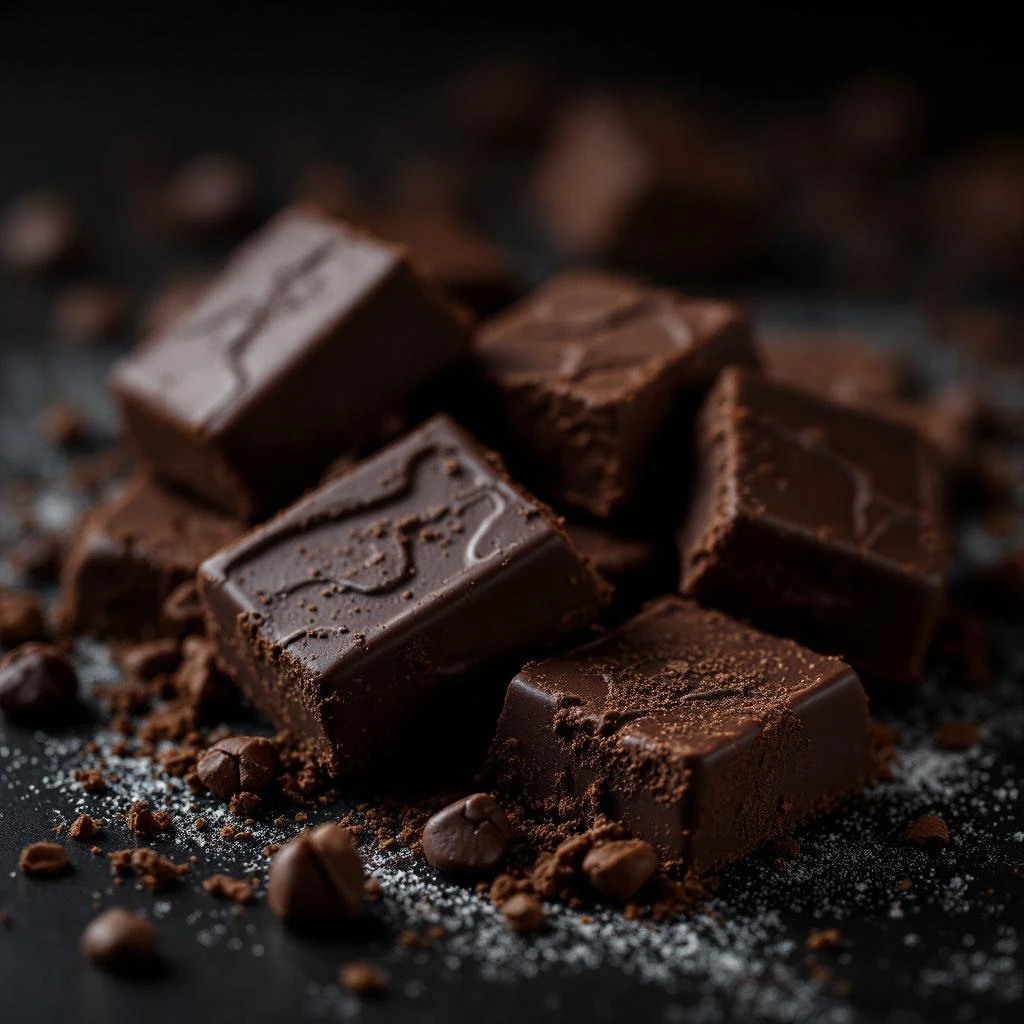
Buckwheat honey can be up to ten times darker than clover honey, and its antioxidant level often exceeds that of many dark chocolates.



Origin
United States
Honey has accompanied human scent practices since the Paleolithic era, appearing in cave paintings at Cuevas de la Araña dating back 8,000 years. Arab alchemists of the 9th century first documented the capture of honey's sweet aroma in scented oils, laying groundwork for modern perfumery.
Buckwheat honey, however, entered the fragrance lexicon in the early 20th century when American beekeepers reported its robust scent profile. By the 1930s, perfumers in New York began blending buckwheat honey absolute with oriental resins to add depth to winter fragrances.
Its popularity grew after a 1954 trade exhibition highlighted the ingredient's unique maltiness, prompting European houses to incorporate it into gourmand compositions. Today, buckwheat honey remains a niche note prized for its grounding quality and historical link to ancient sweeteners.
Wears it best
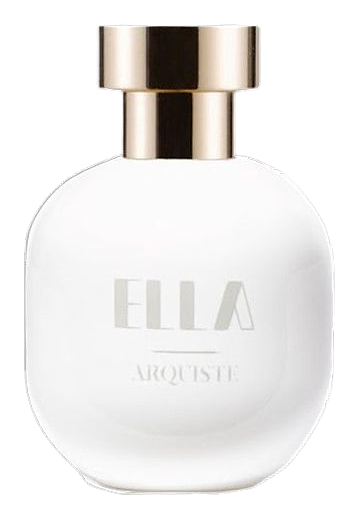
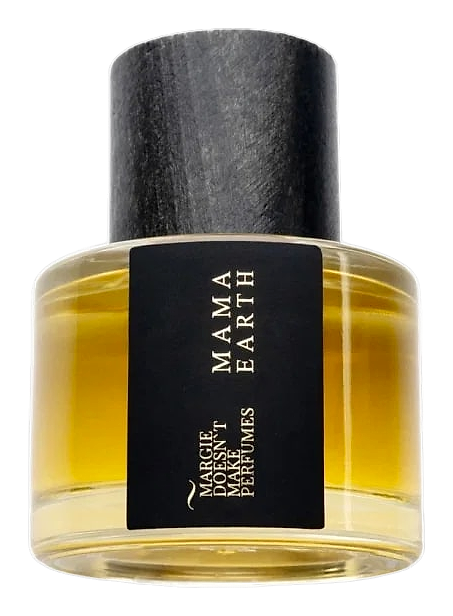
Fragrances featuring Buckwheat Honey

Brands
Brands known for Buckwheat Honey
Good to know
Questions, answered
The essentials on Buckwheat Honey in perfumery: how it smells, where it comes from, and how it behaves on skin.
What scent does buckwheat honey contribute to a perfume?
Buckwheat honey adds a deep, caramel‑rich sweetness with earthy, toasted grain undertones. A 2022 GC‑MS study identified 2‑phenylethanol and maltol as the dominant volatiles, together making up 38% of the aroma profile.
How long does the buckwheat honey note last on skin?
The honey note persists for several hours, often anchoring the dry‑down of a fragrance. In a 2021 blind panel, participants reported the honey accord remaining detectable for an average of 4.5 hours after initial application.
Which fragrance families pair well with buckwheat honey?
Buckwheat honey blends smoothly with amber, vanilla, and spice families, enhancing warmth without overwhelming brightness. A 2019 formulation guide notes that a 5% honey absolute combined with 12% vanilla absolute produced a balanced gourmand accord.
Is buckwheat honey safe for all skin types?
Buckwheat honey absolute is generally non‑irritating, but sensitive individuals should perform a patch test. The International Fragrance Association recorded only 2 cases of mild contact irritation out of 1,200 users in 2020.
What makes buckwheat honey sustainable compared to synthetic honey notes?
Buckwheat honey is harvested from living hives, supporting pollinator health and local agriculture. In 2023, the North Dakota beekeeping association reported a 12% increase in hive numbers linked to honey‑focused farms.
What typical concentration is used in fine fragrance formulas?
Formulators usually incorporate buckwheat honey at 2‑6% of the total fragrance oil. A 2022 case study showed a 4% inclusion yielded a stable scent profile across a 12‑month shelf test.
How does buckwheat honey differ from other honey notes?
Buckwheat honey offers a darker, malt‑laden character, whereas clover honey provides light, floral sweetness. Analytical data from 2021 shows buckwheat honey contains 1.8‑fold higher maltol levels than acacia honey.
When is the optimal harvest time for buckwheat honey used in perfumery?
The peak harvest occurs in late August when buckwheat fields reach full bloom. Records from the 2020 USDA pollination report indicate average nectar flow peaks at day 245 of the year.