
The Story
Why it exists.
The beginning
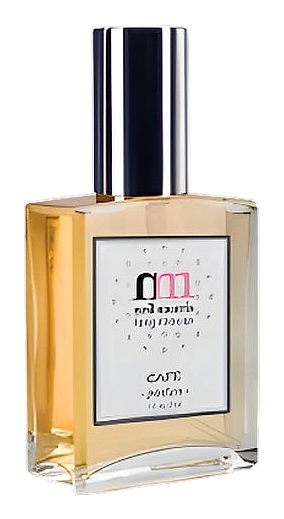
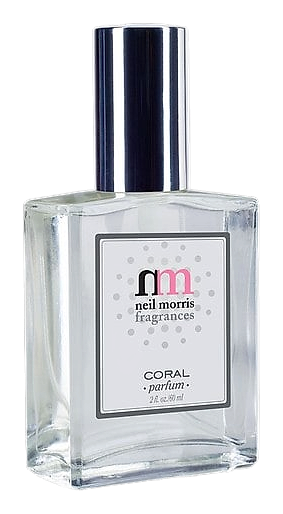
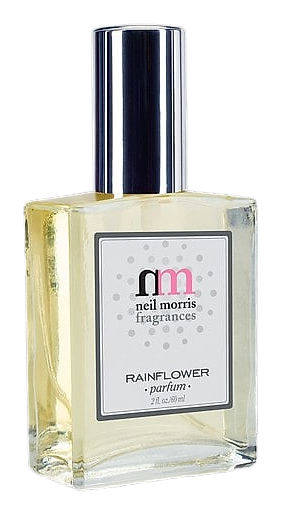
The name says it plainly. Rainflower. Flowers after rain, when the light turns everything gold and the air smells electric with water and warmth. Neil Morris has built a career on translating memories of joyful events in his life into scents you can wear. Rainflower is one of those moments, made portable. The perfume does not try to recreate Kew Gardens. It recreates how Kew Gardens felt in that specific twenty minutes when the weather changed its mind. The memory of that visit translates into a fragrance that captures the sensory impression of that fleeting atmospheric shift, distilling it into something you can carry with you.
The heart of Rainflower is hyacinth. The note brings a green, sharp, almost mineral intensity that sets the tone for the entire composition. Supporting florals include lilac, gardenia, and tulip, but hyacinth is unmistakably the dominant presence, lending its distinctive character throughout the wear. The base relies on musk, and this choice is telling. The musk stays clean and almost transparent, letting the flowers remain vivid rather than smoothing everything into submission.
The evolution
It opens green first. Not the citrus-green of a morning opening, but the deep green of hyacinth stems, the part most fragrances edit out. That's the surprise: Rainflower doesn't sand down its edges. The green arrives sharp, almost mineral, and it hangs for the first hour while jasmine and freesia warm up beneath it. Then the flowers take over. Gardenia blooms fat and creamy. Lilac adds its soft, slightly bitter edge. Tulip keeps things interesting, a sweetness that never quite resolves. By hour three, the green has softened but hasn't disappeared. It's still there, a memory of where the flowers grew. The musk wraps everything in a clean, close finish, not projecting far at this point, but still present on skin eight or nine hours later. On fabric, it lingers into the next morning as a ghost of petals and warm air.
Cultural impact
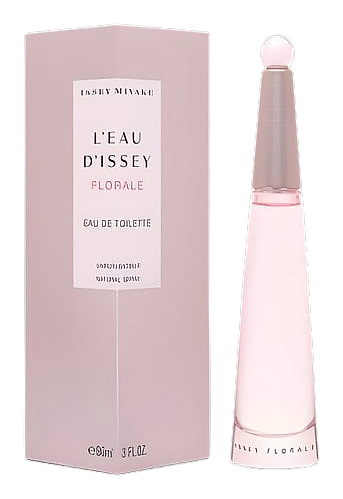
Rainflower has developed a loyal following among those who appreciate assertive spring florals. Community reviews describe it as bold and full-bodied, with hyacinth's green character drawing both love and skepticism. One user review draws a comparison to Issey Miyake's Florale. On skin, wearers note it performs differently in different weather, brighter and more vivid when there is actual moisture in the air, softer in dry conditions. The fragrance has strong longevity and moderate sillage. It is a fragrance that stays with you, lingering close to the skin rather than announcing itself from across the room.
The House
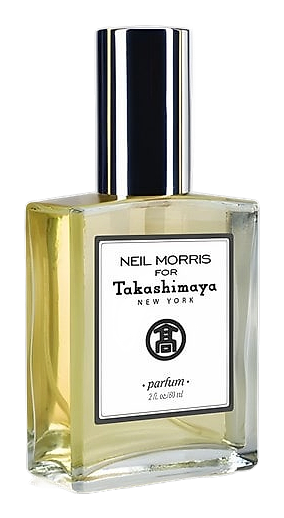
Neil MorrisNeil Morris Fragrances is an American house that grew out of a kitchen laboratory in the 1960s. Founder Neil Morris began mixing oil blends for friends during the counter‑culture era, then opened a custom‑blended counter inside Bloomingdale's in 1970. Over the decades he has turned personal memory into scent, offering a catalogue that includes Rumi (2009), Dark Season (2008) and Chasing Autumn (2014). The brand remains a small, client‑focused operation where the perfumer’s name still appears on every bottle, a rarity in a market dominated by faceless houses.
The Creator
Neil MorrisMorris favors oil‑based compositions that linger on skin without the flash of alcohol. He works with rare botanicals such as Haitian vetiver, Madagascan vanilla, and Turkish rose, pairing them with subtle synthetic accords that add depth without overwhelming the natural heart.