The Story
Why it exists.
The beginning
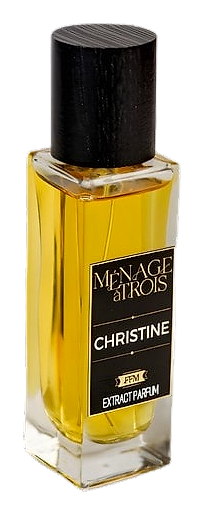
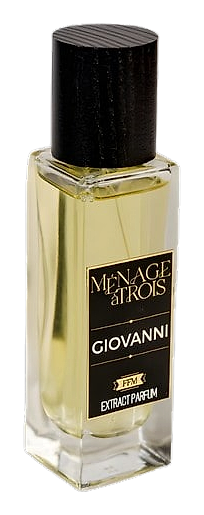
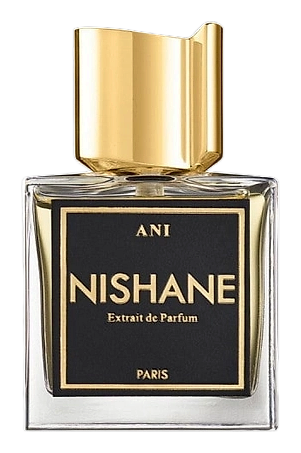
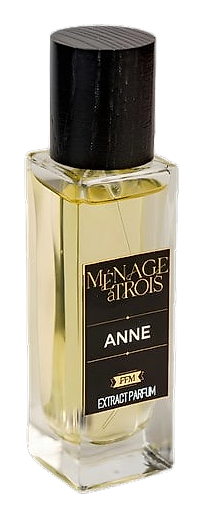
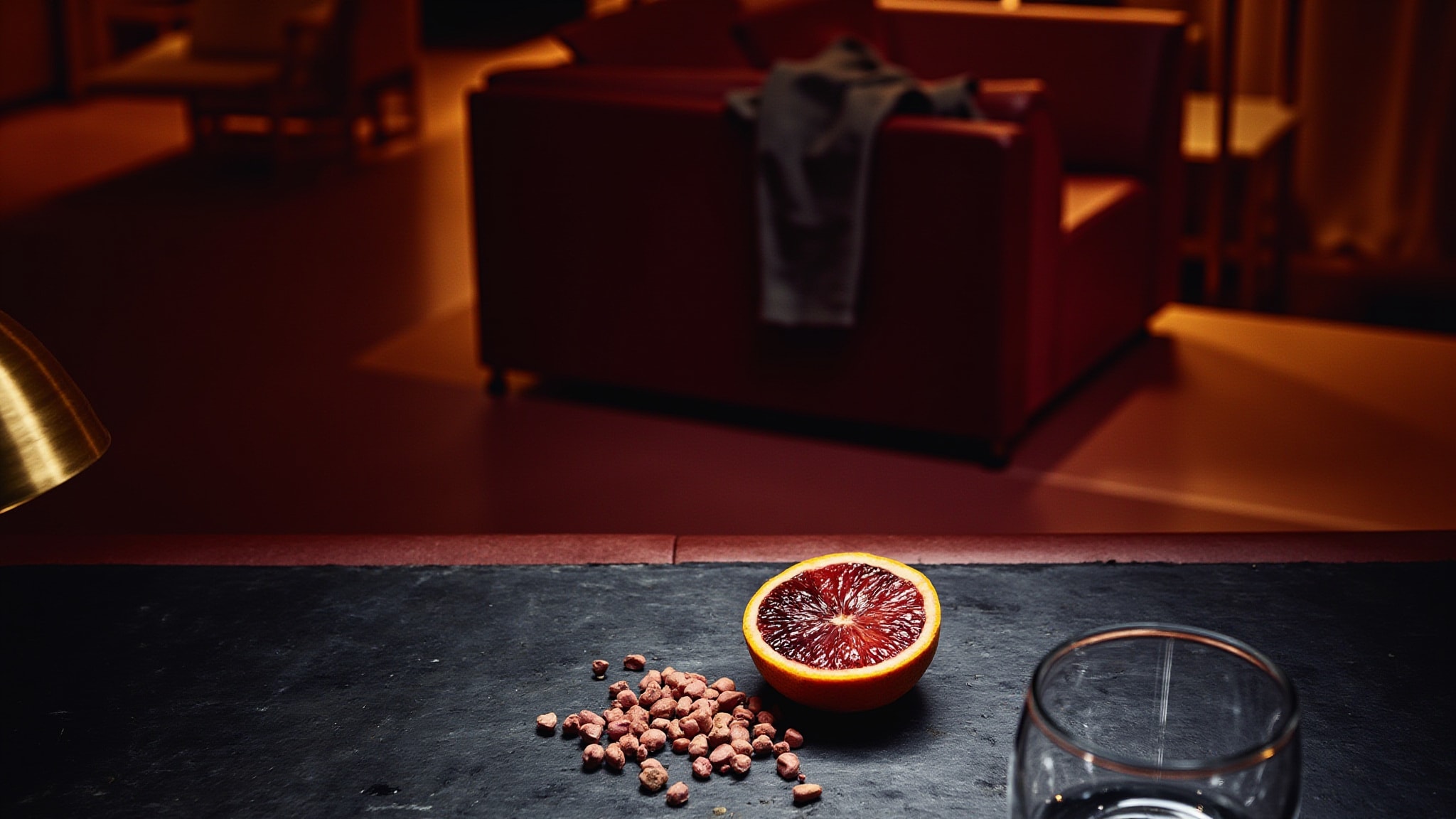
Anne arrived in 2022 from Ménage à Trois, joining a lineup that already included Christine and Giovanni. Where Christine and Giovanni read as more straightforward portraits, Anne sets itself apart through the tension in its construction. Perfumer Flavius Călaj built the opening around a warm-bitter collision: blood orange, pink pepper, and bitter almond hit at once, refusing the easy first impression most fruity-orientals chase. That friction is structural, not decorative. The blood orange gives it juice and lift, the pink pepper adds a cool metallic flicker, and the bitter almond cuts underneath with something almost marzipan-edged.
What defines Anne isn't any single note but the almond-civet axis running underneath the entire composition. Bitter almond in the opening carries a marzipan sweetness that flirts with something chemical and uneasy, a green-sharp edge that reads more like cracking a bitter nut than eating candy. By the base, that almond has migrated into the butter-vanilla warmth while civet and castoreum drag the composition toward something furrier, more animal.
The evolution
The first 15 minutes belong to citrus. Bergamot, blood orange, and grapefruit cut through with pink pepper's gentle sting, bright enough to make you think this is a simple fruity-floral. Then the bitter almond arrives and everything tilts. The heart brings rhubarb's tart green stem and jasmine's white softness, but it's tonka bean and vanilla that anchor the middle act, giving Anne its edible warmth. The rhubarb adds a sour-candy brightness that keeps the vanilla from turning cloying, while the jasmine floats above everything like a cool breath, delicate but present. By the two-hour mark, the animalics wake up. Castoreum and civet push the musk into skin territory, sandalwood and Texas cedar provide dry architecture, and patchouli grounds the whole thing in earth.
Cultural impact
Anne pulls from the fruity-oriental genre but bends it toward something stranger, using the sweetness as bait before pulling the floor out. The almond-civet pairing gives it an edge that sits outside the mainstream fruity-floral conversation, placing it closer to the experimental end of the niche spectrum. Fragrance communities have picked it up as a talking point precisely because it refuses to settle into one camp: too animalic for the clean-fruity crowd, too fruity for the pure animalic lovers, and too sweet for the smoke-and-ink crowd. That tension is what gives it cultural weight.