
The Story
Why it exists.
The beginning
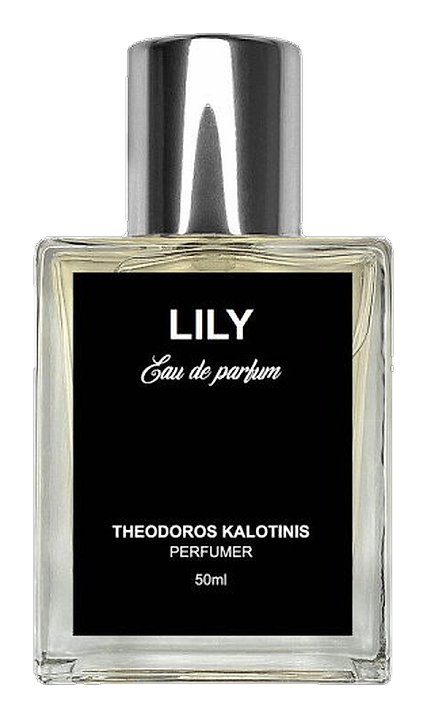
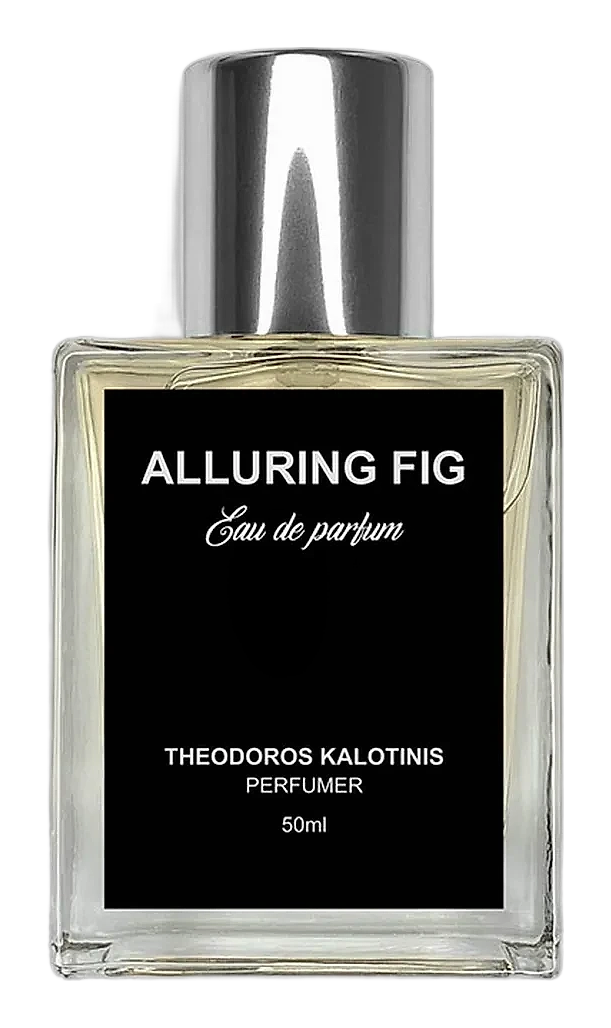
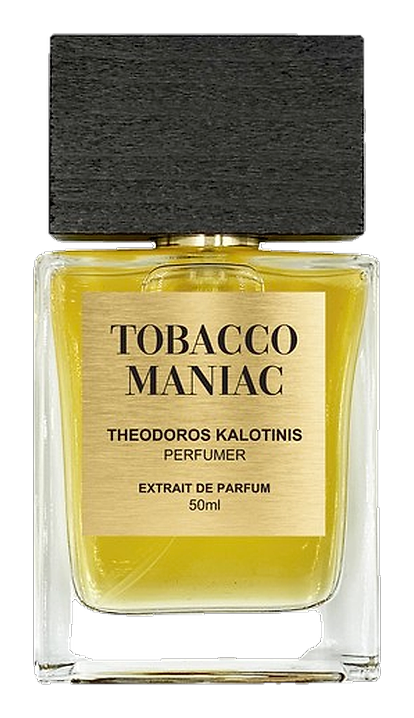
Kalotinis describes Tobacco Maniac as his personal fragrance, the one he wanted to share. The official note list is brief: rich spices, warm vanilla, burnt sugar. What matters is how those materials land. This isn't a tobacco perfume that happens to be sweet. It's a honey and vanilla composition that tobacco keeps honest. The name says it plainly. Tobacco Maniac, a person obsessed, wearing their obsession.
The burnt sugar note is the tell. It doesn't smell like dessert, it smells like the edge of a flame, the moment before caramel becomes candy. Combined with honey's density and vanilla's cream, you get something that sits closer to pipe tobacco than cigarette. The spices Kalotinis mentions don't arrive as a separate phase. They're woven through the entire composition, a thread of warmth that keeps the sweetness from ever going flat. This is gourmand restraint, sweetness that earns its richness.
The evolution
Honey hits first, thick and slow. No citrus, no sharpness, just warmth spreading across the skin like afternoon light through amber glass. Within minutes the tobacco arrives, dry and aromatic, cutting through the sweetness just enough to keep things interesting. The patchouli adds an earthy undertone that smells like cured leaf, not damp soil. By the second hour, vanilla has taken over the foreground, softening everything into a creamy warmth that lingers. The drydown is intimate, tobacco and vanilla, close to the skin, detectable the next morning on fabric. Eight to ten hours is the norm.
Cultural impact
Tobacco Maniac occupies a specific corner of the tobacco category, one where honey reads erotic rather than edible and vanilla keeps the smoke honest. Compared to heavier masculine tobacco bases, Kalotinis's interpretation pulls toward sensuality without sacrificing the drydown. Users describe it as a superior alternative to category staples, with longevity that outlasts a full workday.