The Story
Why it exists.
The beginning
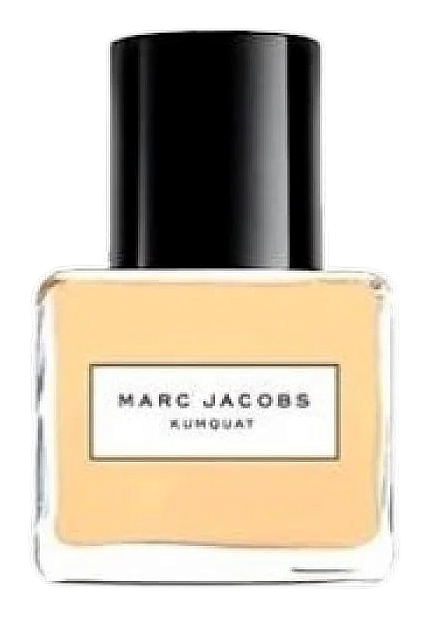
Tropical Splash Kumquat landed in 2012, part of Marc Jacobs' playful splash series built around bright, uncomplicated summer moods. The perfume was composed by Richard Herpin, a perfumer known for balancing edible-seeming fruits with cleaner, more architectural bases. The brief here was simple: capture a tropical fruit in its freshest, juiciest state, then ground it just enough to wear beyond the beach. Kumquat, rarely treated as a lead, anchors the heart. It's a small citrus that straddles sweet and sour, and using it as the main character rather than a background zest was the point. Bergamot, tangerine, and orange zest open wide and bright, each pulling in a slightly different direction. Jasmine and tiger orchid soften the middle without sweetening it into dessert.
Kumquat is an unusual choice for a lead note. It's tiny, intensely aromatic, and sits right at the border between fruit and rind, meaning it carries both sweetness and a bitter edge simultaneously. Herpin treats it as the star rather than the sidekick, letting its peculiar tartness drive the composition. He pairs it with jasmine and tiger orchid, two florals that add creaminess without flattening the fruit's snap. The jasmine brings a soft, almost soapy warmth, and the tiger orchid lends a green, faintly tropical shadow that makes the kumquat feel more dimensional.
The evolution
The first minutes are the loudest the fragrance will ever be. Bergamot, tangerine, and orange zest hit together, all brightness and slight bitterness, no warmth yet. The citrus accord feels sharp and immediate, almost fizzy in how it lifts off the skin. As the opening settles, the kumquat steps forward, rounder than the citruses that introduced it, sweeter but with a persistent tang underneath that keeps the whole thing from feeling like fruit punch. The jasmine and tiger orchid arrive gradually, and they don't announce themselves loudly. They soften the edges and give the fruit a skin, a velvety texture underneath the bright zest. Over time, the citruses fade and what's left is a quiet blend of musk and cedar, close to the skin, slightly woody, slightly warm. The drydown is gentle and forgettable in the best way, the kind of trail a coworker might notice but never name.
Cultural impact
Tropical Splash Kumquat sits in a category that doesn't get much critical attention: the well-made summer citrus. It launched into a market crowded with bigger ideas, denser compositions, and louder launches, which gave a clean, fruit-led fragrance a particular kind of appeal. Wearers tend to describe it in practical terms, a fragrance for hot weather, for casual days, for moments when heavier scents feel like too much. Its appeal is precisely its lightness, the absence of ambition beyond the goal of smelling like a piece of tropical fruit at its peak. That's not a dismissal.
The House
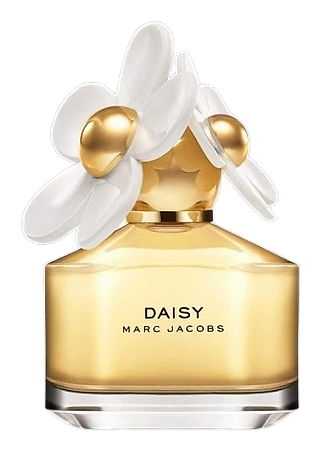
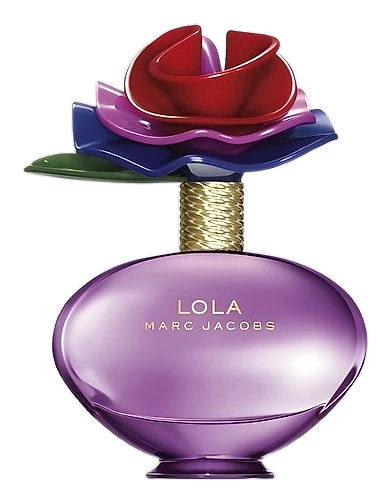
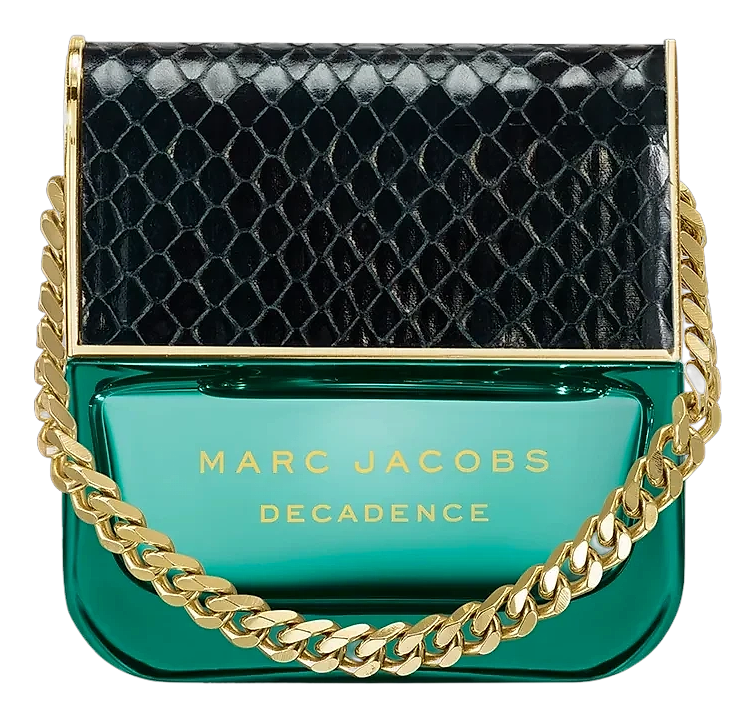
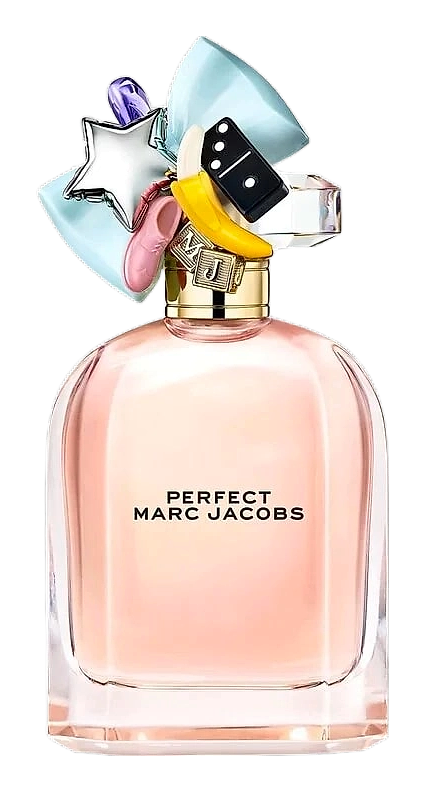
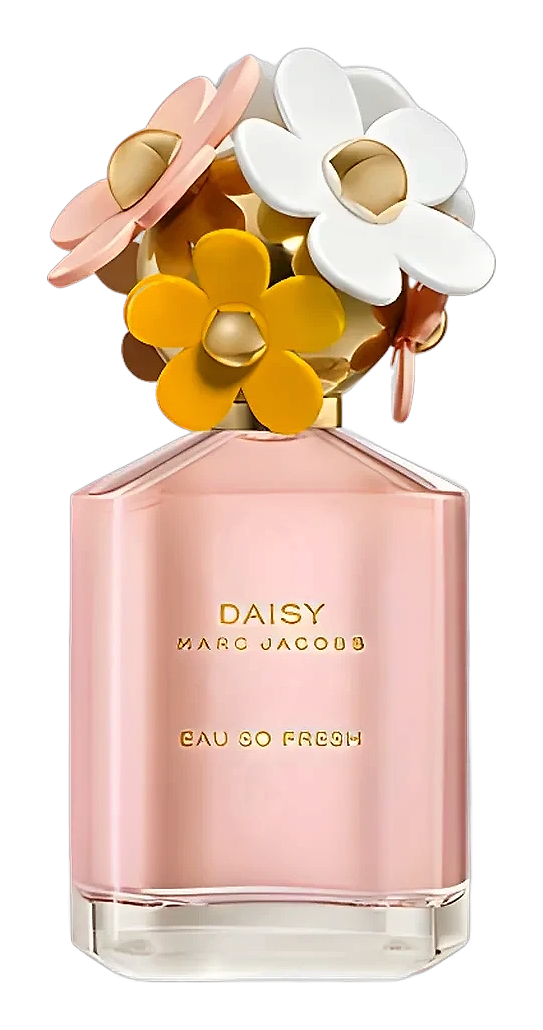
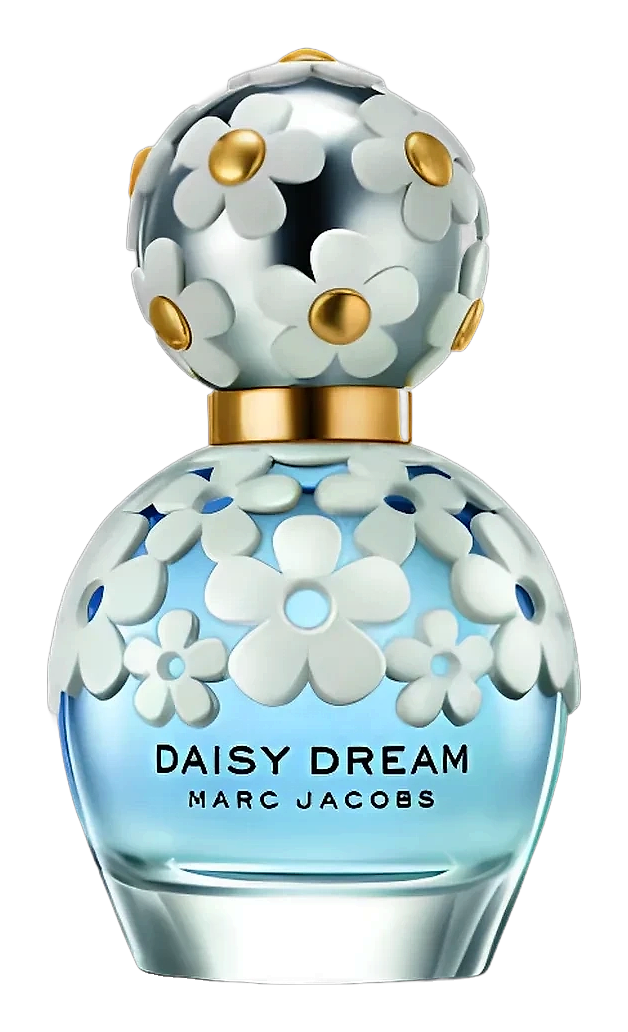
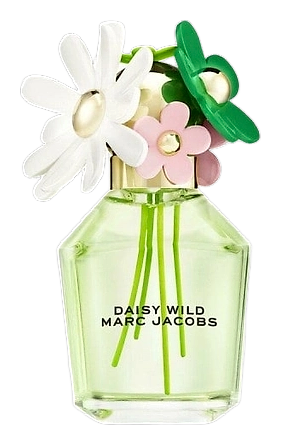
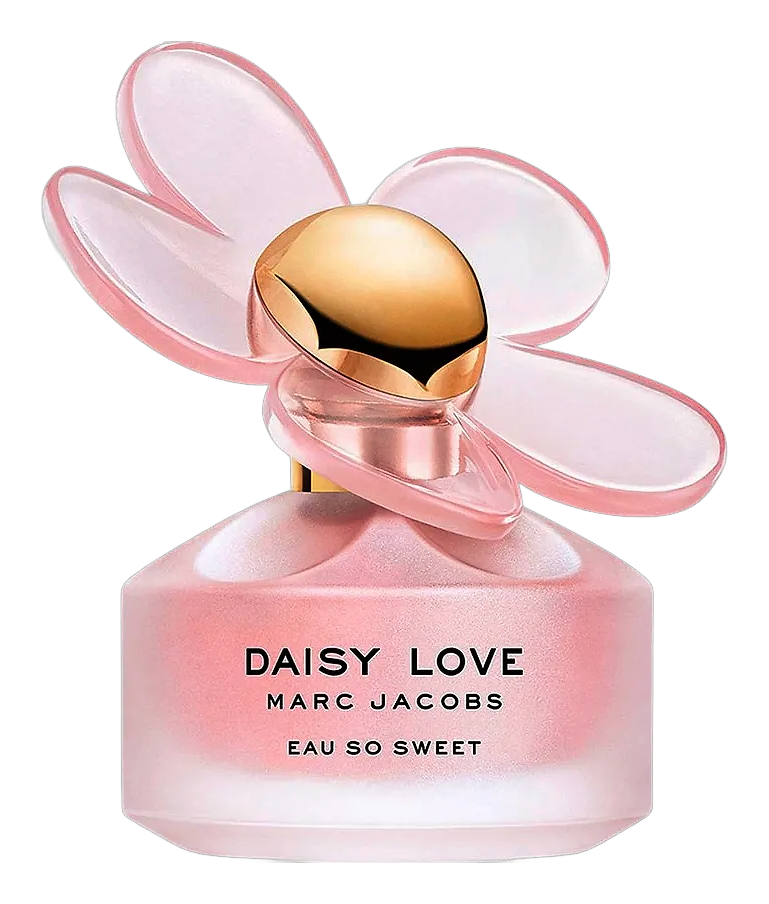
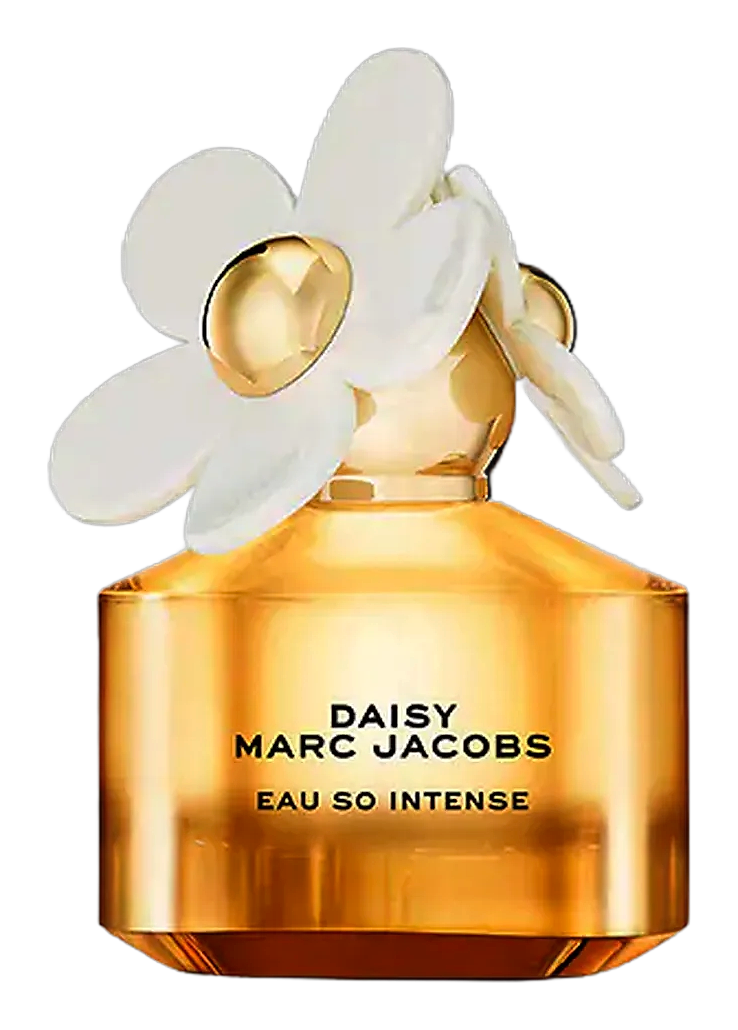
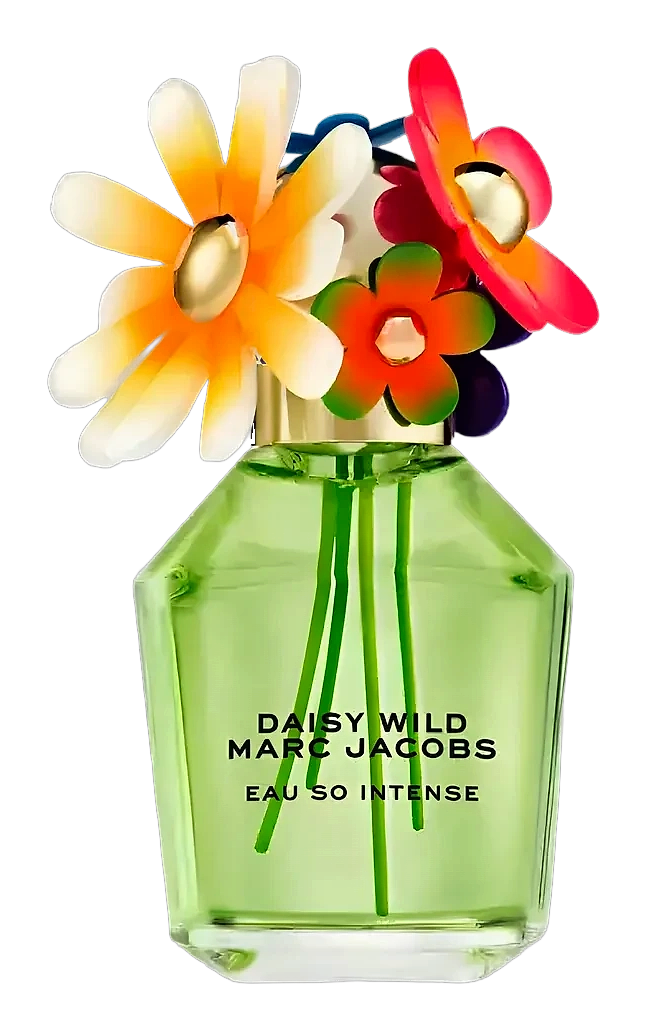
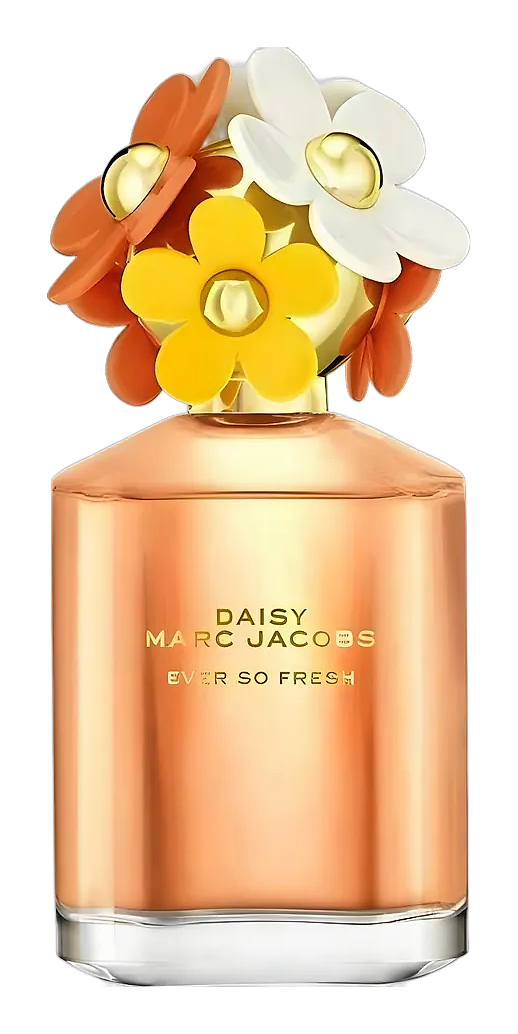
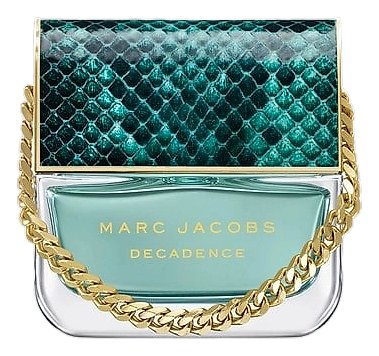
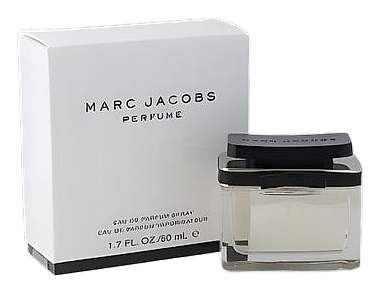
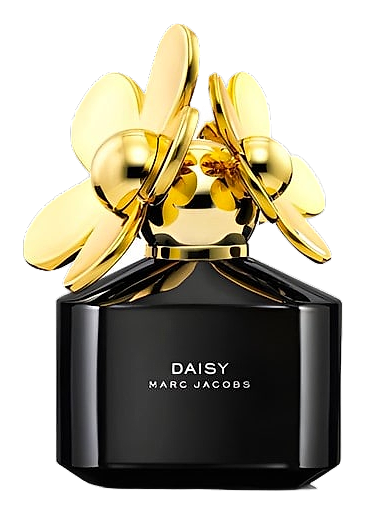
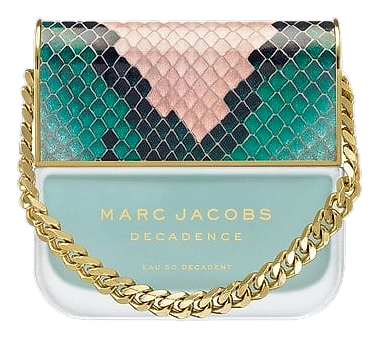
Marc JacobsMarc Jacobs fragrances, produced under license by Coty, launched in 2001 with Marc Jacobs for Women, followed by a companion men's scent in 2002. The brand has since built an extensive portfolio of fragrances anchored by signature lines including Daisy (2007), Lola (2009), Decadence (2015), and Perfect (2020). Daisy, named after Daisy Buchanan from F. Scott Fitzgerald's The Great Gatsby, quickly became a defining success for the brand, spawning numerous flankers and variations across multiple collections. The line's visual identity, with its oversized daisy cap atop a clean bottle, became one of the most recognizable silhouettes in contemporary perfumery. Decadence introduced a handbag-shaped bottle on a gold tasselled chain, a notably unconventional vessel for fragrance at the time of its launch. The brand has collaborated with a broad roster of perfumers over the years, including Annie Buzantian, Ann Gottlieb, Steve DeMercado, Loc Dong, Alberto Morillas, and Calice Becker, among many others. Marc Jacobs fragrances are available at major department stores worldwide and online.
The Creator
Richard HerpinHis style tends toward carefully constructed accords, often with a grounding base that allows brighter top notes to shine. He's not afraid to use synthetics alongside naturals, blending them seamlessly to create textures and effects that are both modern and timeless.