The Story
Why it exists.
The beginning
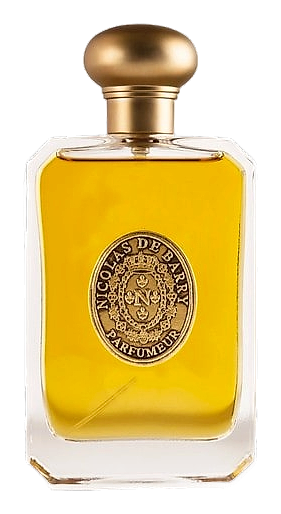
Eau De La Reine De Hongrie draws on the rosemary water associated with Elizabeth of Poland, wife of Charles Robert of Hungary, and its reported use in 1370. Nicolas de Barry recreates that historical aromatic idea through rosemary flower and a medicinal-herbal frame of thyme, sage, lavender, and herbal notes. The result is less a costume than a living point of view: green, bracing, and composed. It carries the atmosphere of an old formula into modern wear, where rosemary supplies the lift and the surrounding herbs give the composition its quiet, cultivated edge.
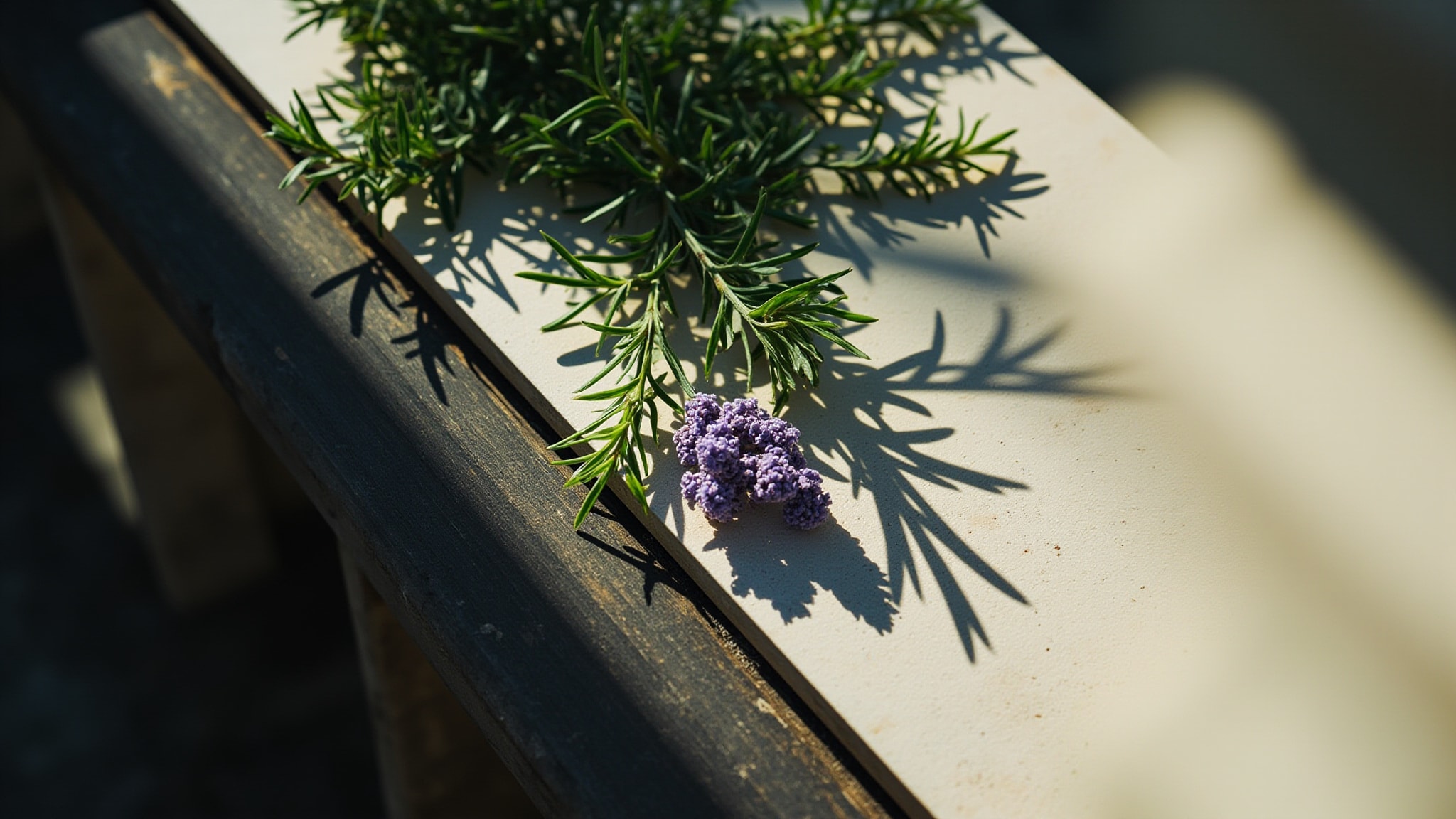
Rosemary leads because it gives the fragrance its clearest identity, with a clean, aromatic green character. Around it, thyme and sage add a dry, almost medicinal snap, while lavender rounds the herbal sharpness into something gentler and more rounded. That contrast gives the scent its bite and balance: rosemary keeps the composition clear, the supporting herbs reinforce its vegetal character, and lavender lends a smoother aromatic undertone. The result is a restrained herbal presence with an old-world neatness, distinctive without relying on a heavy sweet impression.
The evolution
The first impression is bright and green, led by rosemary with the clean snap of thyme and sage close behind. That opening feels active and almost clipped, like cool air moving through a stone courtyard. Lavender keeps the herbs from becoming too clinical, adding a smoother pulse as the fragrance settles. As the composition develops, the notes should read less separately and more as a shared herbal arrangement, with rosemary still providing the clearest sense of direction. The later impression is quieter and more unified, shaped by the interaction between rosemary, thyme, sage, and lavender rather than any single note. On skin, it leaves a restrained aromatic presence that remains recognizably rosemary-led and quietly herbal.
Cultural impact
Eau De La Reine De_HASHcan be explored as a distinctly herbal fragrance shaped by rosemary, thyme, sage, and lavender. Rosemary gives the composition its clearest identity, bringing a green, aromatic quality, while thyme and sage add a dry, almost medicinal snap. Lavender rounds those sharper edges with a smoother aromatic note, creating a balance between freshness and restraint. The fragrance offers an appealing point of discovery for anyone drawn to green, aromatic scents: its structure is familiar enough to read clearly, yet the interaction between the four herbs gives it a particular character.
The House
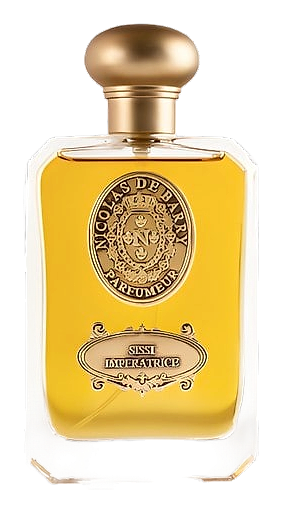
Maison Nicolas de BarryMaison Nicolas de Barry is a French haute parfumerie house distinguished by its singular focus on historical scent recreation. Founded by Nicolas de Barry in 2003, the house specializes in bringing to life the fragrances that might have been worn by significant figures from European and world history, from Renaissance queens to Mughal emperors. The collection includes scents inspired by Nostradamus, Louis XV, Empress Sissi, George Sand, Cardinal Richelieu, and figures from Mughal India including Mumtaz-i Mahal and Shah Jahan. Each fragrance in the Les Parfums Historiques line represents meticulous historical research combined with classical perfumery techniques, offering wearers a sensory connection to the past.
The Creator
Nicolas de BarryDe Barry's signature lies in historical reconstruction grounded in meticulous research. He combines a historian's precision with a perfumer's sensitivity, studying period texts, trade records, and ingredient lists to understand how formulas evolved across centuries.