The Story
Why it exists.
The beginning
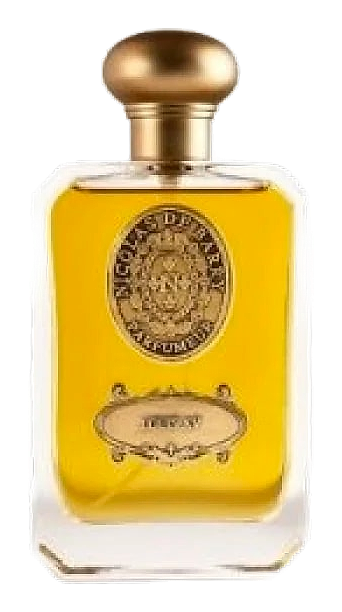
Louis XV's court earned a reputation for excess in scent. Ambergris, musk, neroli, Portuguese orange. The king and his circle drenched themselves in fragrance, and the era's perfumers answered. L'eau de Louis XV was also released in a limited edition as part of the Les Parfums Historiques series by Maître Parfumeur et Gantier, while the original launch belongs to the Nicolas de Barry collection, a unique niche perfume line. Louis XV was le Bien-Aimé, the beloved, and the fragrance takes its subtitle from that epithet, translating roughly as the water of the well-beloved king, a fitting name for a composition built around orange blossom and its bitter counterpart.
What sets this apart from other neroli compositions is the sheer floral weight behind the citrus opening. Seven flowers share the heart: gardenia, hyacinth, jasmine, narcissus, tuberose, violet, rose. The neroli sits beneath them, bright and bitter, but never alone. The florals build, layer, and crowd the neroli until the citrus becomes a seasoning rather than the main event. The gardenia brings its creamy, almost tropical fullness. The tuberose adds a lush, heady cream. Narcissus contributes a green, slightly animalic edge that keeps the bouquet from tipping into sweetness.
The evolution
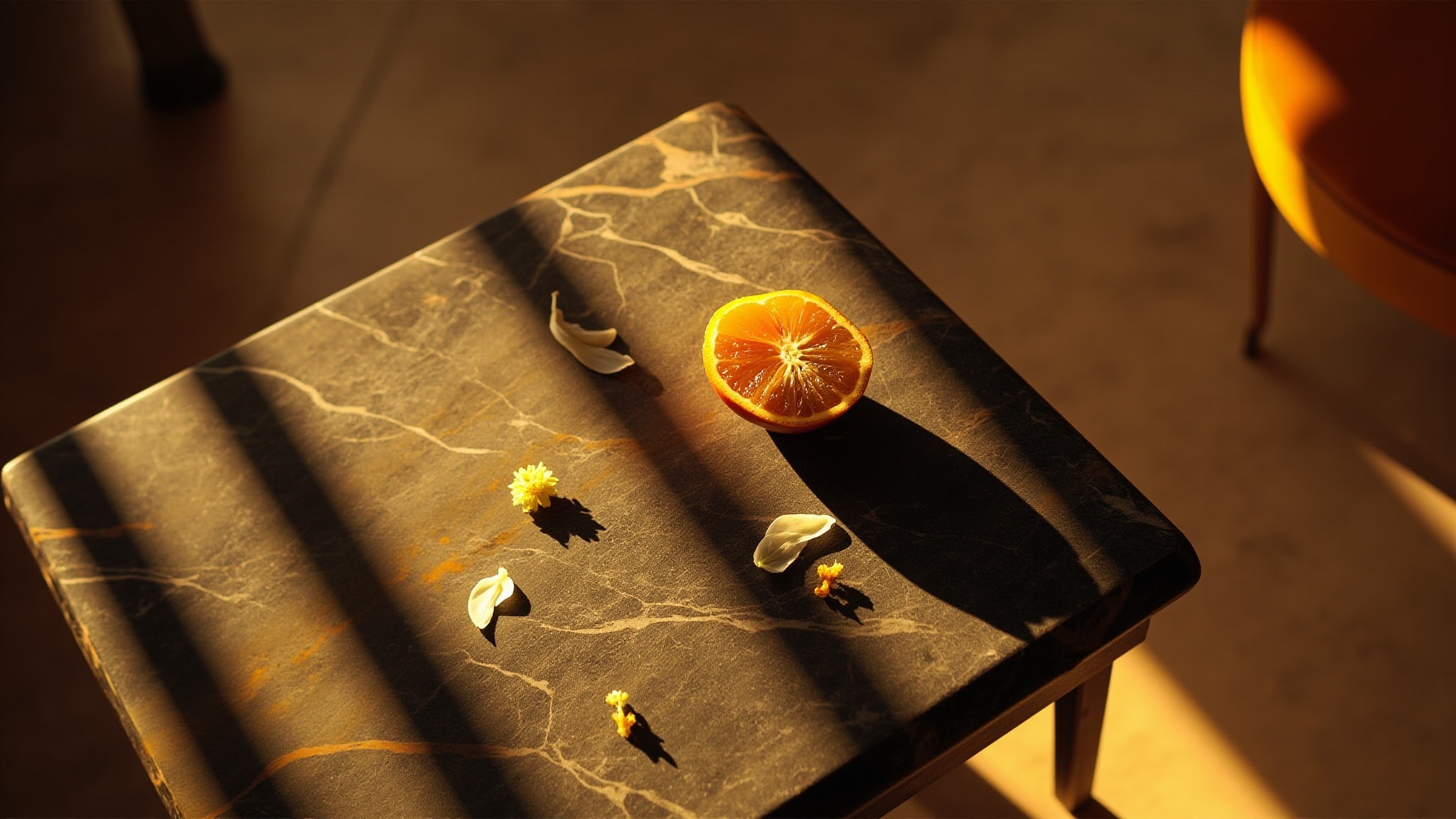
The first ten minutes belong to bitter orange and neroli, sharp and almost edible. The citrus arrives with a clarity that feels almost culinary, like peeling a bitter orange at the table. Then the florals crowd in, gardenia and tuberose bringing creamy weight, narcissus adding a green animalic edge, violet dusting the whole thing with iris-powder softness, and jasmine weaving through with its warm, indolic hum. The neroli doesn't disappear, though. It threads through every phase, refusing to be buried beneath the floral avalanche. By the third hour the composition has settled into something warmer, the white florals softened into a more unified skin scent, the neroli still carrying its bitter thread like a ribbon tied through the whole arrangement. Amber arrives late and stays, a skin-warm base that holds everything close to the body, lending a resinous sweetness that rounds the edges.
Cultural impact
L'eau de Louis XV arrived as a tribute to King Louis XV, le Bien-Aimé, whose court at Versailles was nicknamed the Perfumed Court for its lavish use of scent. By naming the composition after the king's personal water, the fragrance ties itself to the sensory world of 18th-century Versailles, where scent was as much a part of court ritual as dress and conversation. Ambergris, musk, neroli, and Portuguese orange would have been familiar materials to the perfumers of that era, and their inclusion here echoes the raw ingredients that shaped the court's olfactory environment.