The Story
Why it exists.
The beginning
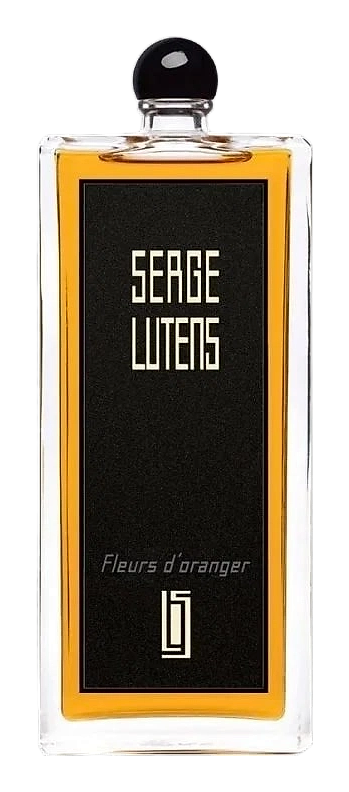
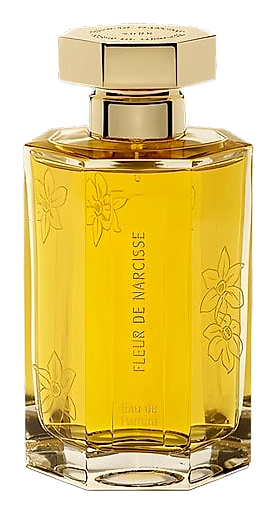
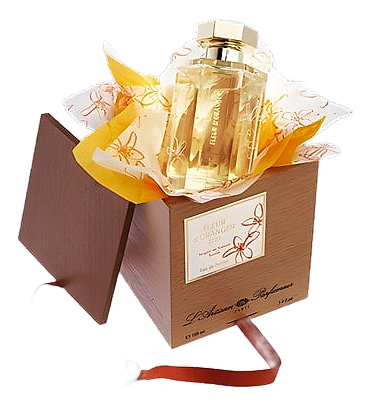
The best ideas in perfumery sometimes come from too much of a good thing. In 2004, an exceptional harvest of orange blossoms in Tunisia produced more raw material than anyone expected. L'Artisan Parfumeur saw an opportunity. The house released Fleur d'Oranger in 2005 as an ultra-limited edition, the first in what would become the Exceptional Harvests series. Anne Flipo translated abundance into a fragrance that holds nothing back. Not a single pretty facet. The whole tree.
Anne Flipo built this as a study in contrast. The honeyed sweetness of orange blossom flowers against the bitter edge of leaves and fruit. She refused to make something delicate and ephemeral. Instead, she chose ingredients that last: bitter petitgrain for green depth, beeswax for warmth, and a faint animalic quality that grounds the white floral. The result isn't the romanticized version of orange blossom. It's the orange tree itself, honest, complex, and true to what the tree actually smells like rather than what we wish it smelled like.
The evolution
The opening sparkles. Orange zest and petitgrain's green bite, bright, sharp, like morning light through leaves. Not a polite entrance. The heart develops over the next several hours. Neroli and orange blossom bloom into something creamy and honeyed, the beeswax adding warmth that surprises. By drydown, the soapy white floral character settles close to skin. A subtle bitter edge lingers, then fades gently. The longevity is real. This one stays with you.
Cultural impact
Anne Flipo doesn't play it safe, and neither does Fleur d'Oranger. The whole tree, bitter leaves, sweet flowers, warm beeswax, rather than the sanitized version. That's what makes people keep coming back. Not pretty. Not polite. The orange tree as it actually exists, which turns out to be far more interesting.