The Story
Why it exists.
The beginning
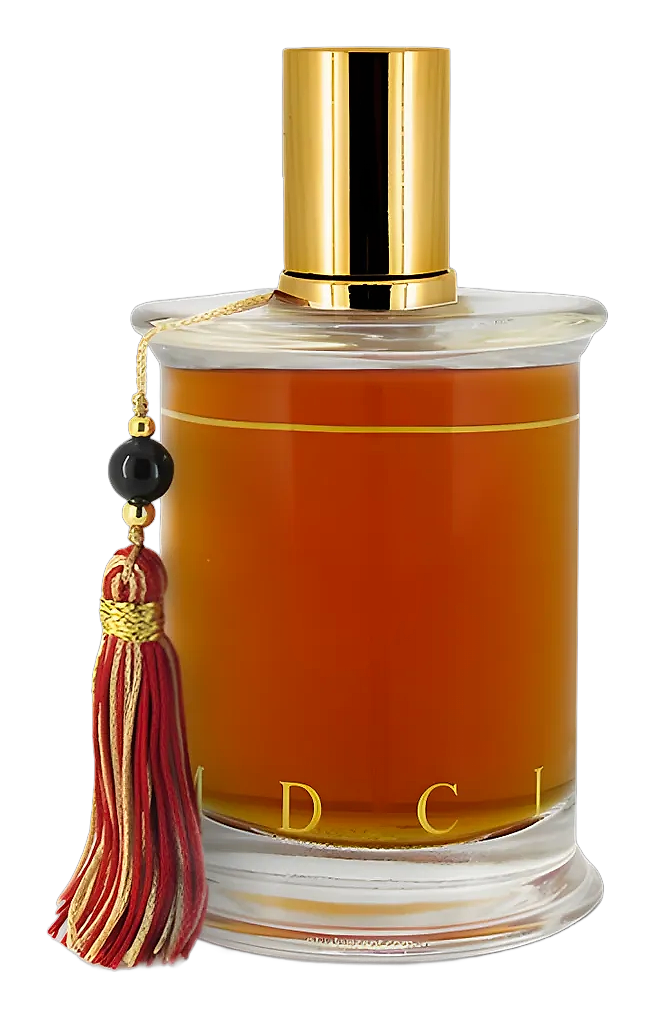
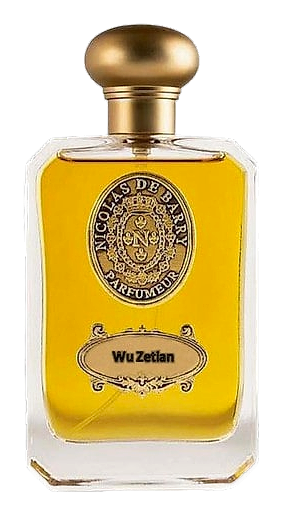
Wu Zetian takes its name from a woman who broke every convention of her era and then rewrote the rules around her. Released in 2019, the composition was conceived as a portrait of her court through scent, a meeting point between provocation and aristocratic refinement. The brand describes it as a scent of provocative sensuality but with the properly imperial touch of Chinese iris, a framing that places the fragrance firmly in the territory between desire and dynasty. There is a quiet power in the way it assembles its materials, choosing notes that carry both softness and command. Chinese iris anchors the composition with its cool, rooty refinement, a material long associated with imperial fragrance traditions.
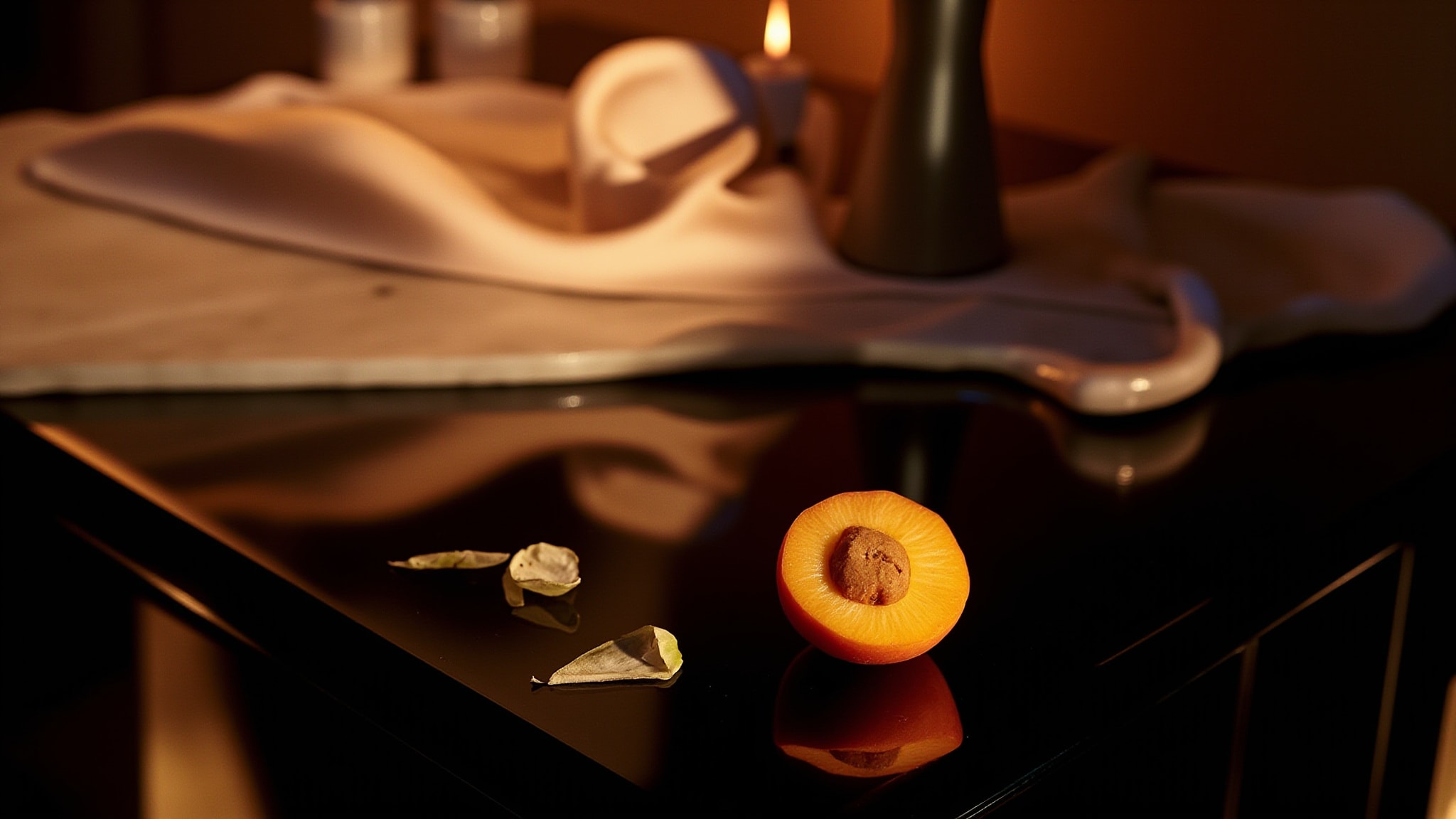
What makes this composition structurally interesting is the tension between four materials that rarely share space so willingly. Osmanthus brings a soft, apricot-like sweetness that behaves more like a fruit skin than a floral, almost edible in its approachability. Tuberose arrives with its creamy, almost narcotic density, a note that lends weight and habitation to whatever it touches. Iris contributes the powder, that cool, rooty hush that flattens everything beneath it into something matte and expensive.
The evolution
The first ten minutes belong to osmanthus. That apricot-skin impression arrives almost edible, fruity without being sugary, and it sits very close to the skin. Tuberose comes up underneath it within the first half hour, giving the opening a creamy weight that shifts the mood from light to inhabited. By the one-hour mark, iris has settled across everything like dust on lacquer. The oud, which was barely a suggestion in the first thirty minutes, now reads clearly. Here it feels woody, almost resinous, and it gives the drydown a seriousness the opening deliberately withheld. The lactonic accord from the tuberose persists longest, that milky, skin-warm impression, and it is what you smell on a scarf the next morning, faintly sweet, faintly powdered, with the oud reduced to a shadow.
Cultural impact
Wu Zetian appeals to a particular kind of fragrance wearer, someone drawn to white florals with substance, and to anyone interested in the rare intersection of perfumery and history. The fragrance rewards those who treat scent as cultural literacy rather than mere accessorizing, and it sits comfortably among niche offerings that value material authenticity and intellectual rigor over trend-driven launches. The composition is retrospective in orientation, looking to a specific historical figure rather than chasing current fashion, and that stance earns it a particular kind of loyalty among collectors.