The Story
Why it exists.
The beginning
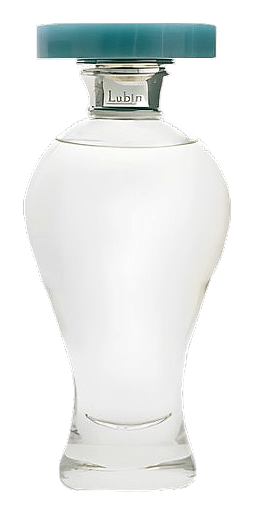
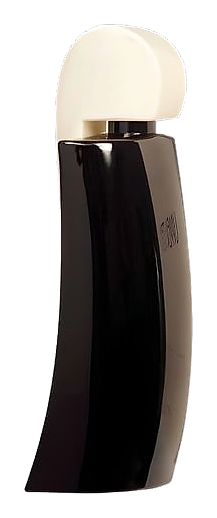
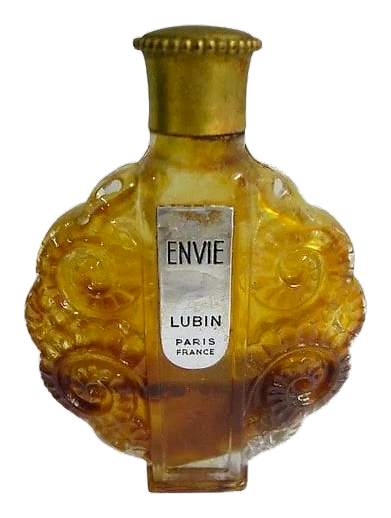
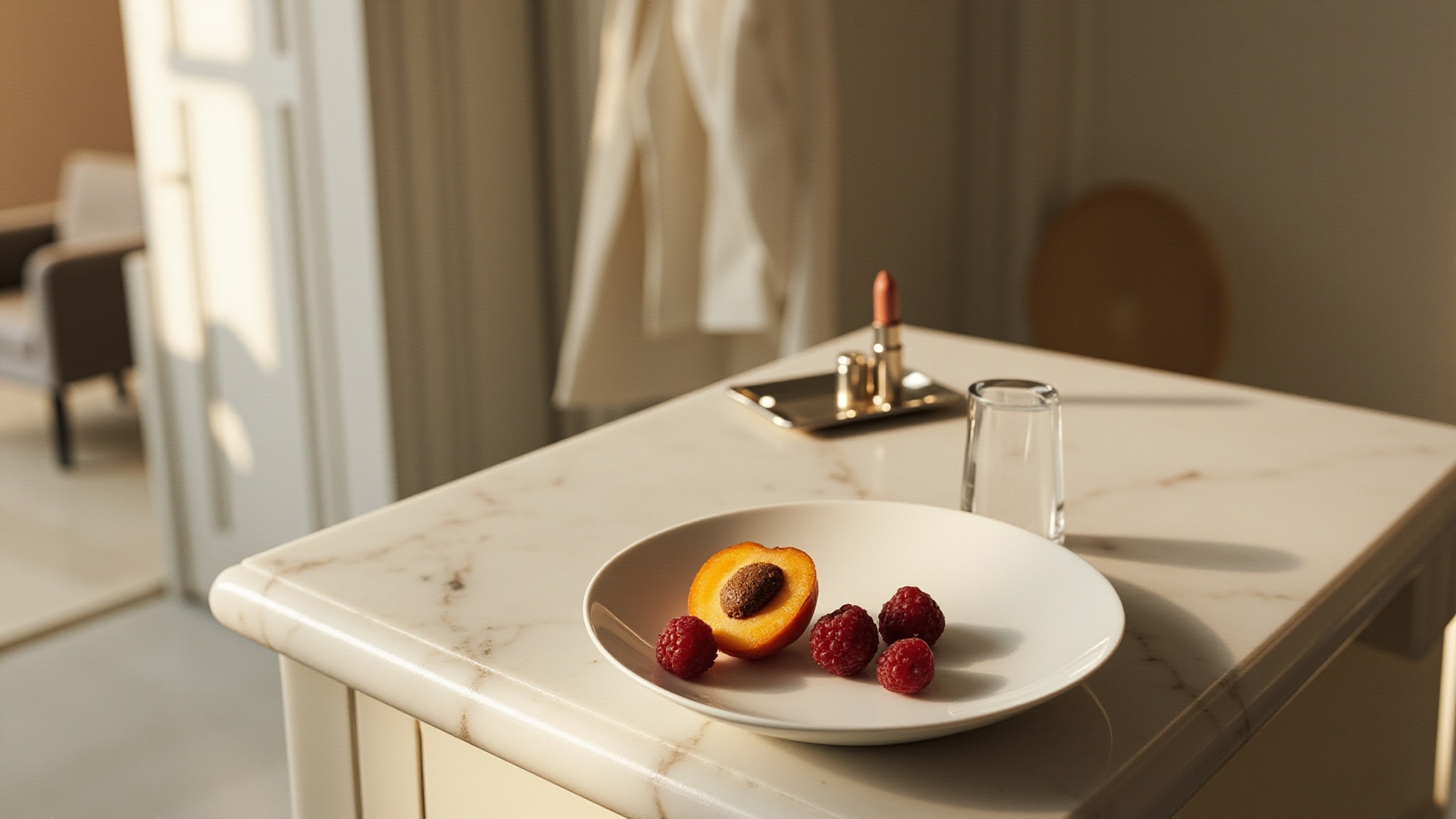
Envie arrived in 1947, and the house of Lubin, by then well into its second century of perfumery, brought with it a perfumer's instinct shaped by decades of French composition. Pierre François Lubin had created Eau de Chypre, and the house's later work carried that same structural clarity into the post-war years. The scent opens with the era's signature move, aldehydes sharpened to a brilliant edge, then softens the landing with fruit and a white floral heart that feels like powdered light. The aldehydes don't whisper here. They announce, a fizzy, almost carbonated brightness that prickles before settling into something warmer. Beneath that shimmer, raspberry and apricot lend a translucent sweetness, the kind of fruit note that reads more like skin than syrup.
The composition reads like a lesson in mid-century French perfumery, built with the materials and methods that defined the form. Calabrian bergamot lifts the top with sharp, green brightness, its citrus oils giving the aldehydes something to sparkle against. Raspberry and apricot add a fleshy sweetness underneath, a fruity counterpoint that keeps the opening from feeling too austere or too soapy.
The evolution
The opening belongs to the aldehydes. They arrive with a cold, effervescent snap, slightly metallic, almost prickling against the skin, impossible to ignore. Calabrian bergamot sits underneath, sharp and green, and the raspberry-apricot pairing adds a translucent fruitiness, not jammy, not candied, more like biting into something cool and just-ripe. The aldehydes are the loudest thing about Envie in its first phase, and they carry that fizzy, carbonated quality that defined the great florals of the era. Soon after, the sparkle recedes and the heart takes over. Orange blossom and jasmine come forward, not as separate blooms but as a single soft, soapy, indolic warmth, creamy and sunlit, with a narcotic edge that gives the heart its depth. Rose threads through, lending a dewy, almost powdery softness that smooths the sharper edges of the jasmine.
Cultural impact
Envie holds a place among the aldehydic florals that emerged from post-war French perfumery, compositions known for their sparkling openings, creamy floral hearts, and dense, resinous bases. It's the kind of scent that rewards attention, revealing different facets as it wears, from the cold fizz of the aldehydes to the warm, almost milky depth of Mysore sandalwood in the drydown. Discontinued but remembered by those who encountered it, it carries the particular gravity of a vintage French floral, serious without being austere, opulent without tipping into excess.