The Story
Why it exists.
The beginning
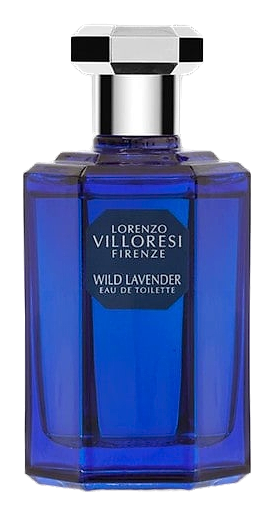
Wild Lavender began life under another name, Inglese, released in 1996 as one of the early compositions from Lorenzo Villoresi. The perfumer built his practice through years of dedicated study, working with raw aromatic materials and drawing on classical traditions to shape his own approach. Wild Lavender was part of a creative period that produced several distinct compositions, each one a careful study in reinterpretation. The scent treats a familiar botanical with uncommon respect, treating it as material worth studying rather than a trope to be repeated. The name shifted in 2005, from Inglese to Wild Lavender, clarifying what the scent had always been about.
What makes Wild Lavender interesting is its refusal to settle into one aromatic register. Lavender opens the composition, yes, but the supporting cast is dense and deliberate: Amalfi lemon for brightness, galbanum and elemi for the green bite, bay leaf and coriander for herbal complexity, iris for something almost mineral underneath. The heart introduces black pepper, clove, juniper, and clary sage, turning the opening from fresh to genuinely warm-spicy. Then rosemary, musk, and tonka bean settle in as the base, giving it a resinous backbone that most lavender compositions never bother to build. Villoresi treats lavender here less as a soliflavor and more as a chapter in a larger aromatic novel.
The evolution
Wild Lavender opens with a bright, lifted top, where bergamot and Amalfi lemon bring a clear citrus radiance to the lavender, sharpening its herbal edges and pulling them upward. Galbanum and elemi push a green, resinous counterweight underneath, giving the opening a bitterness and a slight bite that keeps it from reading as simple or polite, more like a garden after rain than a typical cologne. The citrus eventually recedes, and the composition shifts its weight. Cloves, black pepper, and juniper arrive with a low hum, and clary sage softens the sharpness into something more contemplative. The lavender becomes deeper here, less herbal shampoo and more dried herbs resting in a cupboard, with the spice notes warming the green rather than cutting through it.
Cultural impact
Wild Lavender sits in an interesting place. It was released in 1996, and it offered something distinctive within the broader landscape of aromatic perfumery, a lavender composition that leaned into the herbal, resinous, and green rather than the sweet, soapy, or synthetic. The scent had been known as Inglese for nearly a decade before the 2005 rename, and that earlier name gave little sense of what the composition actually contained. The shift to Wild Lavender sharpened its identity, giving the bottle a name that matched the scent inside.