
The Story
Why it exists.
The beginning
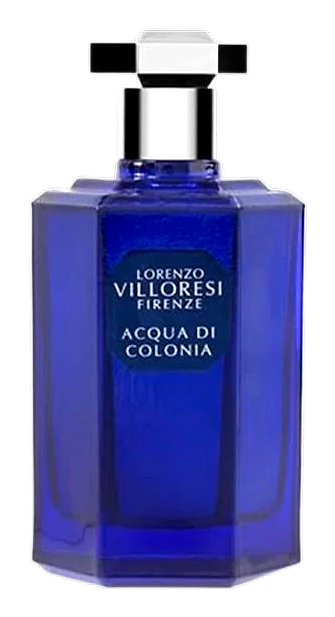
Acqua di Colonia came together in 1996, in the earliest phase of Lorenzo Villoresi's Florentine workshop. The new composition was something different from what had come before: a return to the oldest grammar of European perfumery, the cologne structure, but filtered through Villoresi's particular obsession with raw ingredients. The house's own copy calls it radiant. That word does real work. Villoresi was reaching for a freshness that didn't feel like a shortcut, a citrus-forward cologne that earned its clarity through the same careful material work that anchored his other compositions. The opening is built around a bright citrus charge, with bergamot, lemon, and orange leading the way, their zest set against a quiet herbal thread that gives the whole opening its underlying structure.
Six materials open the composition: lemon, bergamot, elemi resin, lavender, petitgrain, and orange. That is not a casual citrus accord. Elemi resin adds a peppery, lemony brightness with a slightly sticky undertone, the kind of material that gives a formula lift without resorting to synthetic sharpness. Petitgrain brings a green, almost bitter edge that keeps the citrus from collapsing into simple fruitiness. Lavender appears in the top layer alongside the citrus rather than waiting for the heart, which gives the opening a herbal coolness that softens the brightness without dulling it.
The evolution
The first fifteen minutes are all citrus and resin, lemon and bergamot leading with the kind of clarity that reads almost architectural. Elemi adds a faint peppery hum underneath, and petitgrain keeps everything from veering into soft-drink sweetness. The lavender is already there, not loud, but threaded through the opening like a structural beam, cooling the citrus just enough to keep the composition from feeling one-note. By the thirty-minute mark the neroli arrives, the distilled essence of bitter orange blossom, and it shifts the temperature of the scent noticeably cooler. Sage and clove move in together, and for a brief window the scent shifts register from cologne to something closer to apothecary. It feels like a different fragrance for about twenty minutes, more spiced and medicinal than the opening promised.
Cultural impact
Acqua di Colonia holds a particular place in Villoresi's catalog as a cologne that takes the format seriously. Wearers describe it as a fragrance for people who want to smell composed without performing: the office, the Sunday morning walk, the lunch that runs long. It does not announce. It does not need to. The composition's strength is its restraint, a six-material opening that never feels underbuilt, and a base of rosemary, musk, and lingering herbal notes that gives the scent real staying power.