The Story
Why it exists.
The beginning
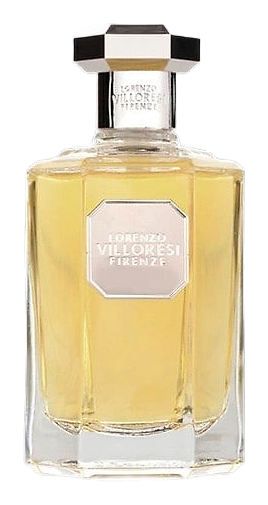
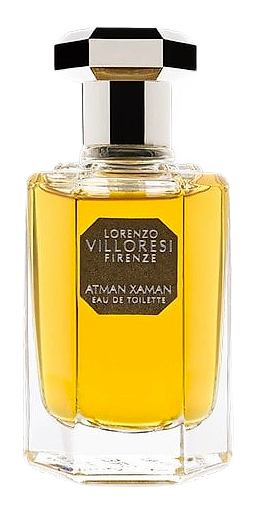
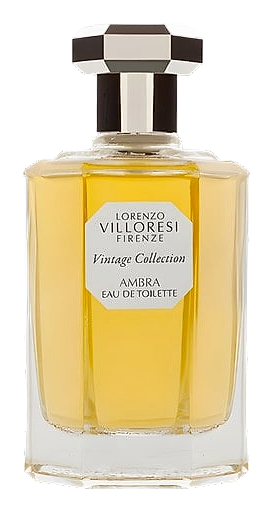
Ambra belongs to the Vintage Collection, Lorenzo Villoresi's curated archive of compositions that never made it past the workshop, until now. Launched in 2014, the line represents scents the perfumer held back, refined, and finally released. Ambra is one of those held compositions: amber, resin, warmth, the materials that defined Florentine perfumery for centuries, interpreted through a modern hand. The Vintage Collection signals exactly what it means: these are not new ideas. They are old ones, finished. A perfumer's reference shelf, finally opened.
What makes Ambra structurally interesting is its use of ambergris as both heart and base material, appearing twice in the pyramid. That double placement creates continuity, the ambergris note doesn't arrive and depart, it persists, threading the composition together from its warm heart into its final drydown. Paired with labdanum in both top and heart, this creates a sticky, resinous through-line that holds the spicier elements (cardamom, clove, nutmeg) in place rather than letting them scatter. The result is a fragrance that reads as cohesive rather than complex, many notes, but one narrative.
The evolution
The opening surprises with green. Galbanum and elemi arrive crisp, almost vegetal, with a faint marine quality that feels borrowed from coastal air rather than inland Florence. For about twenty minutes, this could be a different fragrance entirely, fresh, sharp, unexpected. Then the warmth closes in. Cardamom and black pepper arrive together, not as assault but as settlement, and the myrrh and frankincense follow, their balsamic resinousness anchoring everything that came before. By hour two, the ambergris announces itself, not the clean laboratory amber of mainstream fragrances, but something animalic, slightly salty, intimate. The drydown is the payoff: sandalwood and musk smoothing everything into a warm, slightly sweet residue that stays close to skin for hours. Lasts 8 to 10 hours on most skin types. On fabric: longer. The next morning, a faint warmth remains, like the memory of a fire rather than the fire itself.
Cultural impact
The 2014 release found an audience among niche collectors and fragrance enthusiasts seeking something with depth rather than spectacle. Its warm amber and spice profile sits comfortably between the Mediterranean resin tradition and Northern European woody aesthetics, appealing across both. The fragrance predates the recent ambergris trend in independent perfumery by several years, giving it a certain timeliness that has aged well.