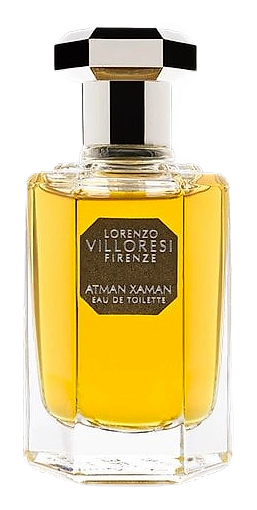

The Story
Why it exists.
The beginning
Atman Xaman takes its name from two philosophical terms: Atman, the Sanskrit concept of the inner self, and Xaman, associated with shamanic traditions of inner journey and transformation. The name alone signals ambition, this is a fragrance designed to mean something beyond its smell. Lorenzo Villoresi has built a career on exactly this kind of olfactory philosophy, treating each composition as a meditation on memory, travel, and the materials themselves. Atman Xaman was developed as an EDP concentration, following the house's belief that higher concentration allows a composition to evolve more slowly and reveal more of its contradictions over time. The brief was simple on paper: leather, tobacco, precious woods, with undertones of flowers and wild herbs on a resinous base. The execution took years.
The immortelle, a bloom that refuses to fade, hence its name, anchors the heart with a honeyed, almost animalic warmth that distinguishes this from simpler tobacco fragrances. Mate, the South American herb that provides the distinctive green bitterness in the opening, is unusual in Western perfumery; it gives Atman Xaman a herbal quality more associated with mate tea than with fragrance. The presence of labdanum, a resinous absolute from cistus rockrose, adds a Mediterranean dimension that echoes Villoresi's Florentine base without defaulting to obvious Italian references.
The evolution
The opening is brief and bracing. Citrus and mandarin orange appear first, a formality that lasts perhaps five minutes before the mate takes over and changes everything. The mate is the tell, bitter, green, almost medicinal. It doesn't announce itself politely. Within twenty minutes the heart opens fully: tobacco arrives not as a note but as a presence, dry and unapologetic, flanked by immortelle's honeyed warmth and labdanum's resinous quality. Patchouli and vetiver provide the structure, grounding the composition without overwhelming it. The immortelle lingers unusually long, adding an animalic undertone that some wearers notice and others don't name but feel. The base emerges slowly over the next two hours: leather and precious woods assert themselves as the true foundation, with amber, tonka bean, and vanilla softening the edges into something that stays intimate and close to the skin rather than projecting across a room. The drydown is warm, resinous, and persistent, the kind of scent you smell on your sleeve the next morning, quiet but unmistakable.
Cultural impact
Wearers describe it as the scent of someone who walks into a room and doesn't need to announce themselves. The house has built a following among those who want complexity over convention, with Atman Xaman standing as a reference point for tobacco-leather combinations in the niche category. The mate note gives it a distinctive quality that separates it from more conventional tobacco fragrances.
The House
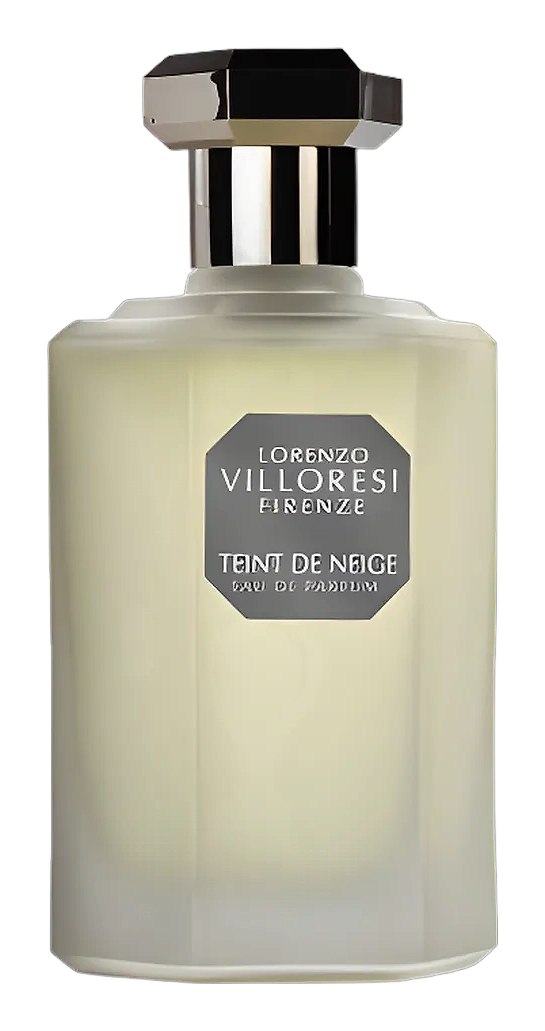
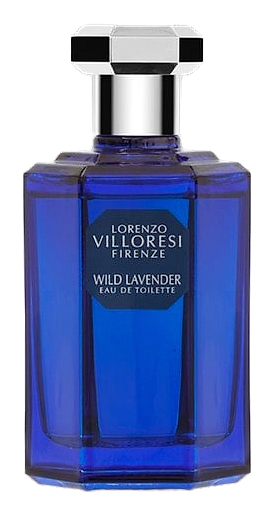
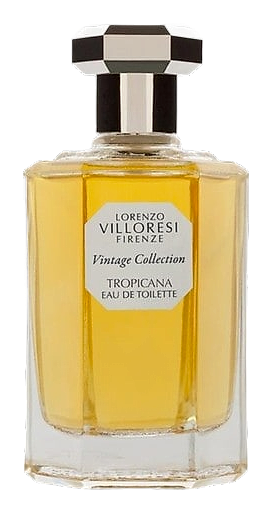
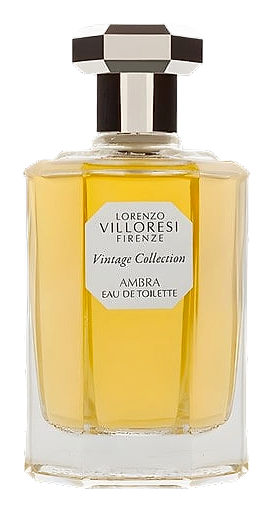
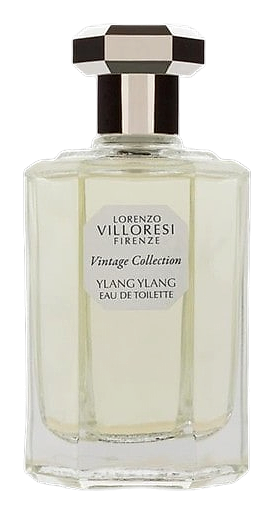
Lorenzo VilloresiLorenzo Villoresi is an Italian perfume house that grew out of a family workshop in Florence in 1990. The brand blends the city’s historic craft with a modern curiosity for raw materials gathered on the founder’s travels. Over three decades the house has released more than a dozen fragrances, ranging from the crisp Acqua di Colonia (1996) to the amber‑rich Vintage Collection Ambra (2014). Each scent reflects a personal narrative, and the line now includes candles, room sprays and bespoke creations that invite collectors to explore scent as a form of memory.
The Creator
Lorenzo VilloresiVilloresi favors natural extracts over synthetics, especially amber, oud, and rare spices. He builds compositions around a single anchor note, then adds supporting accords that echo the original theme.