The Story
Why it exists.
The beginning
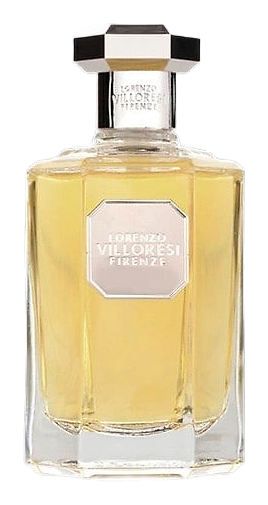
Incensi arrived in 1997, named simply and directly for its central material. Lorenzo Villoresi had spent years studying aromatic resins on his travels through the Middle East and Asia, tracing how different cultures related to smoke and sacred scent. The Italian word for incense is no accident, the name announces exactly what this fragrance is built around. By 1997 the house had released Acqua di Colonia, Vetiver, Musk, and Patchouli, each one a different study in material. Incensi marked a return to the resinous, the sacred, the ancient. It was perfume as ritual object, not mimicking incense, but becoming it.
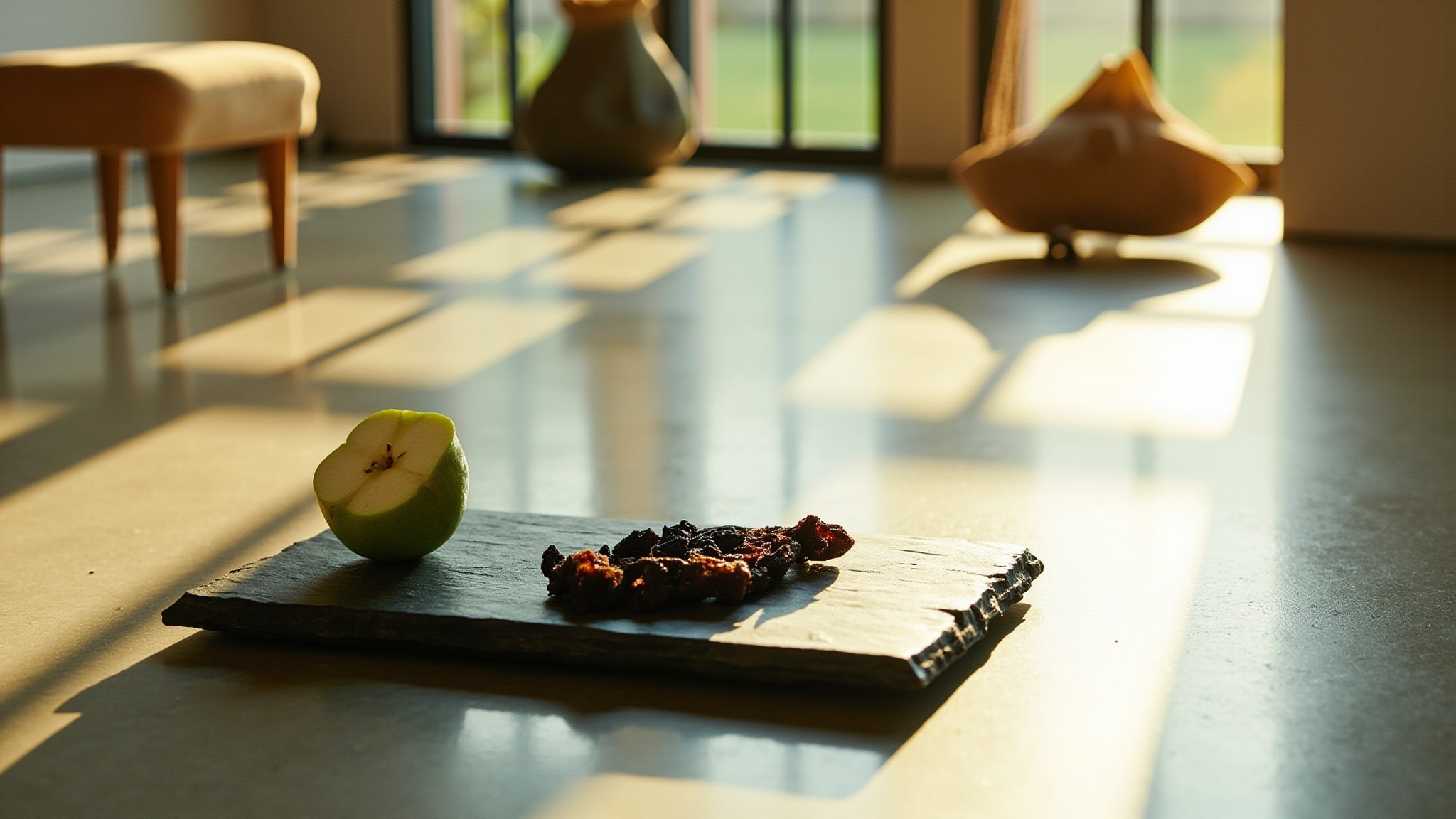
What makes Incensi structurally interesting is the way it stages its incense. Rather than opening with smoke, it leads with green and citrus, galbanum, bergamot, Amalfi lemon, green apple, creating a bright, almost medicinal freshness that reads as contemporary. The incense doesn't arrive immediately. It builds underneath the green notes as they fade, which means the fragrance evolves on skin rather than announcing its thesis at first spray. The heart adds warm spice (cinnamon, black pepper) and botanical complexity (juniper, labdanum) before the base of myrrh, opoponax, styrax, tolu, and benzoin takes over. The result is incense that feels earned rather than imposed.
The evolution
The opening hits with galbanum and elemi, that sharp, green, almost astringent quality that could read as medicinal if the bergamot and citrus didn't soften it. Green apple adds a unexpected crispness. For the first thirty minutes, Incensi reads as bright and aromatic, almost contemporary in its energy. Then the heart takes over. Cinnamon and black pepper arrive with warmth, while labdanum and juniper add a dry botanical complexity. The mimosa keeps the flowers quiet, this isn't a floral fragrance. By the second hour the resins begin their slow takeover. Myrrh, opoponax, and styrax surface beneath the spices, pushing the green notes into the background. The drydown is where Incensi becomes itself. Incense and smoke rise from the balsamic base, tolu, benzoin, and sandalwood creating a warm, honeyed undercurrent beneath the smoke. This phase lasts. On most skin, six to eight hours of that contemplative, slightly sweet smoke that stays close and intimate rather than projecting outward. The next morning, a faint trace of benzoin and sandalwood lingers on fabric.
Cultural impact
Incensi arrived in 1997 as part of a quiet movement toward incense-forward compositions that didn't rely on heavy projection. Rather than the confrontational smoke of some niche releases, Villoresi's approach kept the incense intimate and close, moderate sillage that invited rather than overwhelmed. The green-citrus opening gave it daytime credibility that pure resin fragrances lacked, making it wearable in ways that earlier incense compositions weren't. It found its audience among collectors who wanted depth without announcement, the kind of fragrance that rewards proximity over distance.