The Story
Why it exists.
The beginning
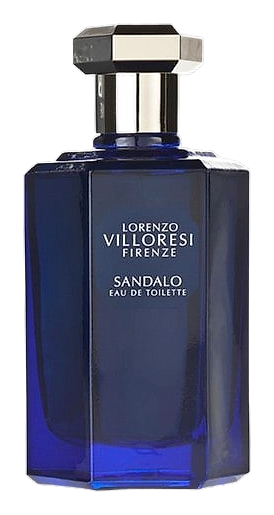
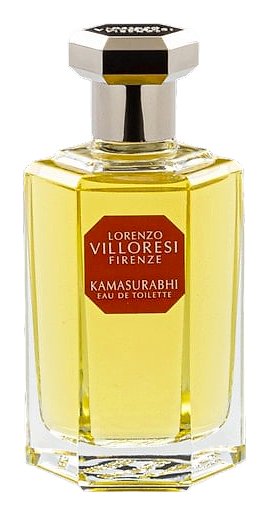
Kamasurabhi takes its name from the Sanskrit surabhi, meaning fragrance, and kama, meaning desire. Launched in 2015, this is Lorenzo Villoresi's ode to Indian flowers and the forests that hold them. The official description frames it as an incredibly precious attar, built from piercingly delicate Indian flowers infused with the mysterious, seductive scent of a sandalwood forest and exotic woods. The concept arrived from Villoresi's travels and his long relationship with ingredients gathered far beyond Florence's borders. Here, the flowers are not an afterthought. They are the point.
The structure is deliberate. A skilled perfumer knows that sheer floral power can flatten, so the sandalwood does not wait in the wings. It is woven through the heart and the base both, providing a creamy counterweight to the tuberose's intensity. The result avoids the trap of many white floral fragrances, where the opening overwhelms and the drydown disappoints. Here, the sandalwood and leather emerge in sequence, turning what could be a one-note display into something that rewards patience.
The evolution
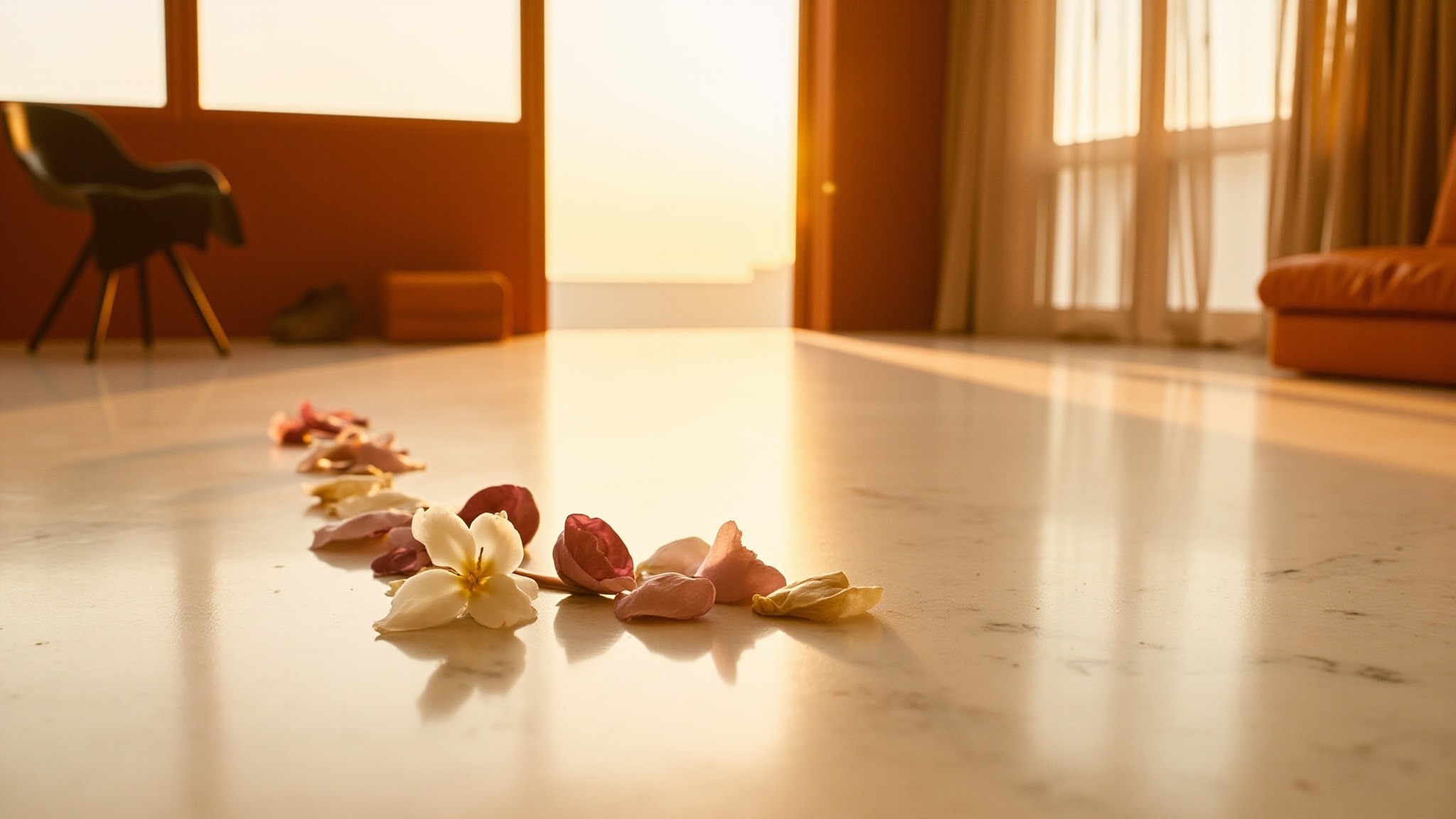
The opening arrives in a rush of jasmine sambac, rose, and orange blossom. Bright, almost translucent. The exotic florals feel like sunlight through a canopy rather than a bouquet on a table. Within the first hour, the heart begins to assert itself. Tuberose takes the lead, joined by ylang-ylang's tropical sweetness and the green, slightly narcotic quality of narcissus. Sandalwood softens the tuberose's intensity, keeping the heart lush without tipping into parody. Around the third hour, the base announces itself. Patchouli anchors the composition, leather adds a warm animalic chord, and amber provides resinous depth. The milky sandalwood lingers longest, carrying the fragrance into a skin-close drydown that lasts well into the evening.
Cultural impact
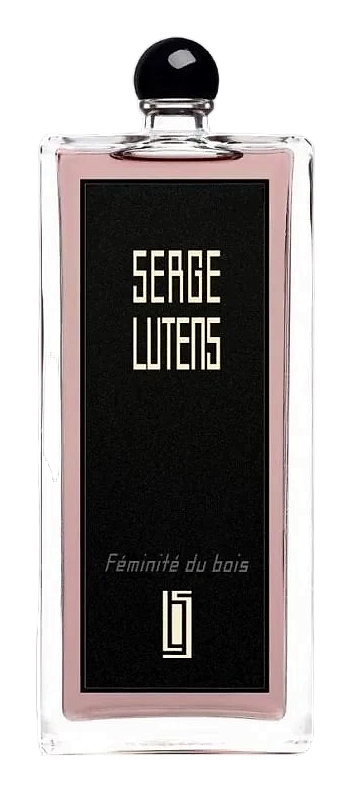
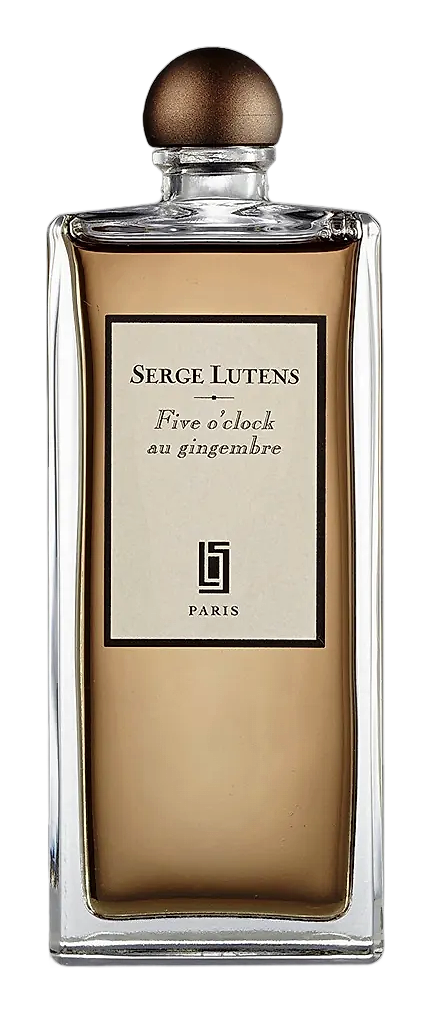
Among niche collectors, Kamasurabhi has earned a reputation as a rich oriental floral that rewards those who seek it out rather than stumbling across it. The white floral and sandalwood combination places it in conversation with compositions from houses like Serge Lutens and Amouage, though its moderate sillage and Florentine restraint set it apart from louder oriental competitors. It has not achieved wide commercial recognition, but among those who know it, the devotion is real.