
The Story
Why it exists.
The beginning
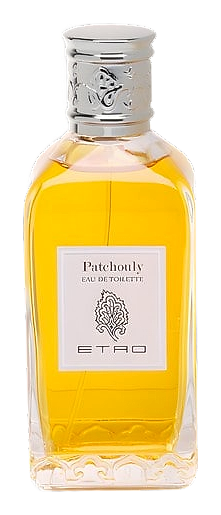
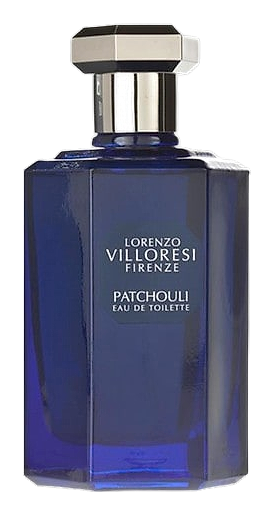
In 1996, Lorenzo Villoresi released Patchouli as a statement. Not a statement about the ingredient, a statement about what it could be when given the entire stage. The house had already explored lavender in its Acqua di Colonia that same year, tested green accords with Vetiver in 1994, and pushed into animalic territory with Musk in 1995. Patchouli arrived as the logical conclusion: take one material, commit to it entirely, see what happens when you don't hedge. Villoresi's philosophy has always framed fragrance as a dialogue between philosophy and materiality, scent as a way to articulate ideas words cannot reach. Patchouli became that philosophy made literal. A single note, explored from every angle: sharp at the opening, sweet in the heart, grounding in the base. The name says everything. Nothing to hide.
What makes this composition unusual is the pyramid structure itself. Most fragrances position their hero material in the base, the foundation, the anchor, the thing that remains. Villoresi inverted that logic. Patchouli opens the fragrance, occupies the heart, and lives in the base. It doesn't support the composition. It IS the composition. This matters because patchouli is one of perfumery's most transformative materials. Raw Indonesian patchouli smells different from aged patchouli. The same material shifts depending on what surrounds it.
The evolution
The opening announces itself quickly, patchouli and lavender arriving together, sharper than expected. The lavender reads almost medicinal at first, green and biting, a handshake that grips a little too hard. For some this reads masculine; for others it reads as simply honest. Neither interpretation is wrong. Thirty minutes in, the sharpness softens. The lavender recedes without disappearing entirely. Patchouli takes full command, earthy, slightly sweet, the camphor note settling into something deeper. This is the heart of the fragrance and it lasts. Hours. The transition isn't dramatic; it happens quietly, the way good things often do. The base arrives gradually. Cedar and sandalwood add warmth. Vetiver grounds everything. Benzoin introduces a resinous sweetness that slowly transforms the experience, what started as sharp becomes intimate, close, the kind of scent that lives near the skin rather than announcing itself across the room. Musk adds a skin-like quality that makes the drydown feel like an extension of the wearer rather than a separate layer.
Cultural impact
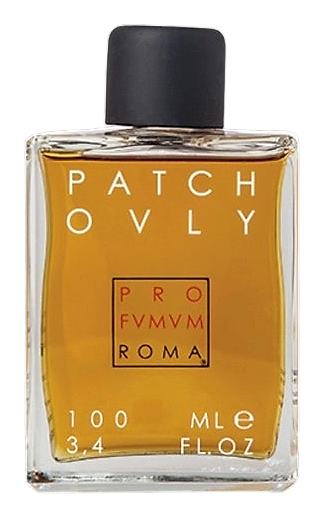
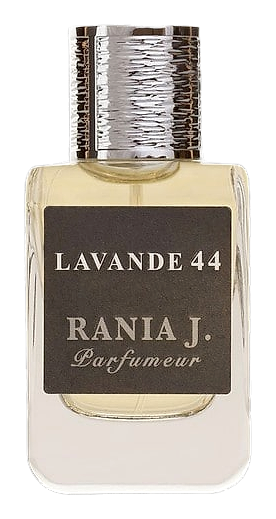
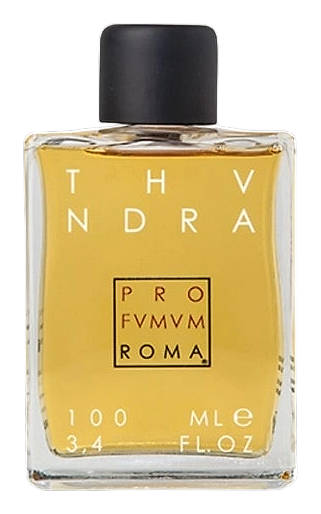
Patchouli occupies a specific corner of the niche market, the straightforward interpretation for someone who knows what they want. It sits alongside other single-note studies like Profumum Roma's Patchouly or Rania J.'s Lavande 44, though its pyramid structure sets it apart. Rather than a concentrated base note over a neutral top, this fragrance commits patchouli to every layer, creating an experience that evolves without ever becoming something else. The audience it attracts tends toward the confident, wearers who don't need their fragrance to perform or announce anything. They want patchouli, they get patchouli, and they appreciate that the house didn't complicate things unnecessarily.