The Story
Why it exists.
The beginning
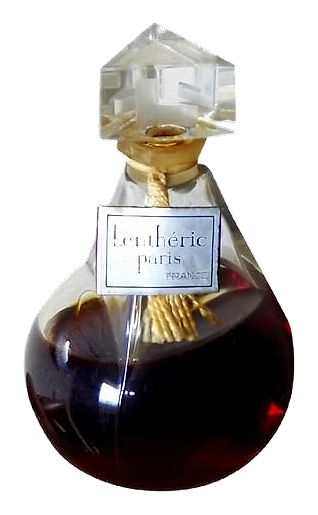
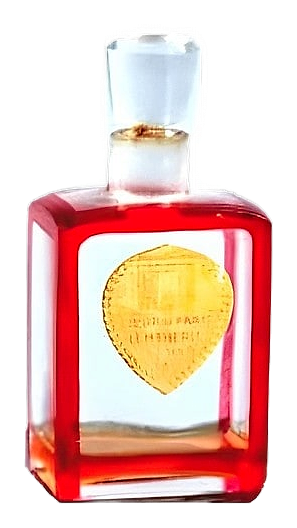
Coeur de Paris is a composition that wore its identity openly. The house behind it had already built a reputation for layered, confident work by the time this fragrance arrived. The name translates to Heart of Paris, and the juice itself reads like a postcard from that name: dense, romantic, and unapologetically rich. Baccarat supplied the bottle, and the crystal's clarity offered a deliberate counterpoint to the warm, spiced liquid inside. The contrast between cold-cut crystal and resinous warmth becomes part of the fragrance's first impression, even before the stopper comes off. What follows is a scent that pulls you into a particular kind of European elegance, the sort that doesn't need to explain itself.
What makes the structure interesting is its refusal to choose a lane. The top leans warm-spicy, cinnamon and clove arriving with intent. The heart throws carnation, jasmine, and rose into a dense floral. Then the base tilts chypre, oakmoss, incense, myrrh, and sandalwood building a resinous, almost sacred drydown. The progression feels architectural, each phase building on the last with a kind of inevitable logic.
The evolution
The opening is all nerve. Bergamot tries to lighten the load, but cinnamon and clove take over quickly, sharp and almost peppery, the kind of warmth that heats the air around your wrists. Within the first quarter-hour the spices begin to sweeten, and carnation arrives first, dense and clove-like, followed by jasmine and rose that feel bruised rather than bright. The heart is where the fragrance spends real time, offering a long, heavy floral phase with the spice still threading underneath. The carnation dominates with its dianthus spiciness, and the jasmine hums rather than sings, giving the mix a narcotic edge. The rose deepens the whole thing, pulling it toward something wine-dark. Eventually the base takes over, and this is where the composition earns its reputation. Incense and myrrh rise together, smoky and resinous, while oakmoss grounds everything with that cool, earthy dampness.
Cultural impact
Coeur de Paris belongs to a category of early twentieth-century French compositions that treated spice and chypre structure as a natural pairing. The fragrance wears that heritage openly, building a bridge between warm kitchen-spice and cool, mossy base notes without smoothing the contrast away. It's the kind of scent that rewards attention, the one that reveals another facet each time you return to it. The composition feels rooted in a particular French tradition of perfumery, one that valued depth and longevity over bright, fleeting effect.
The House
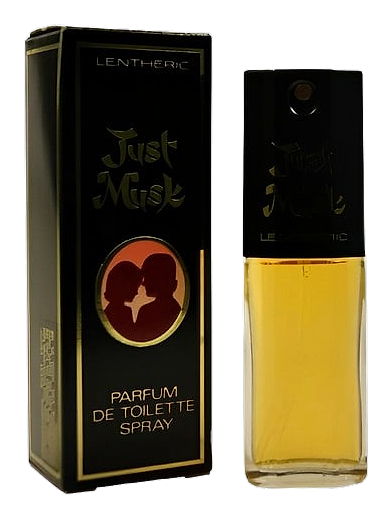
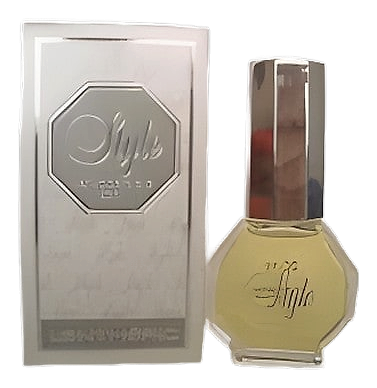
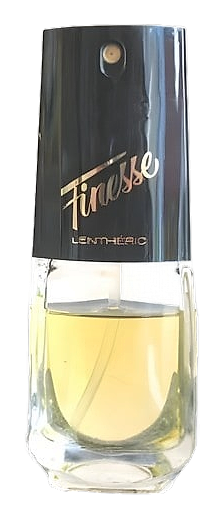
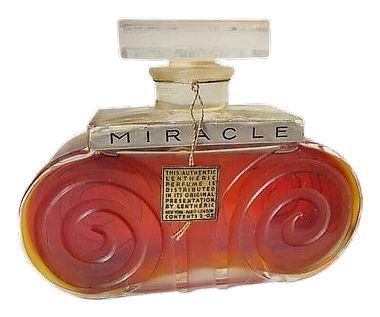
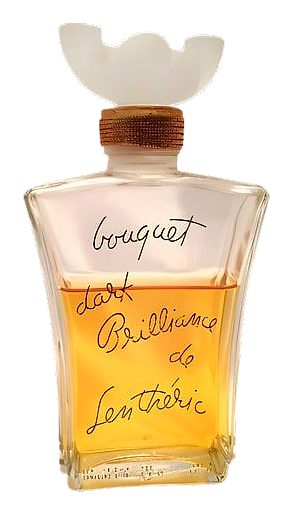
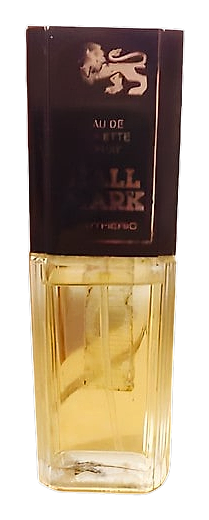
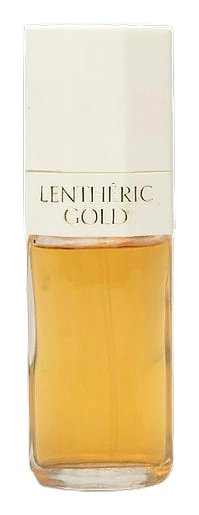
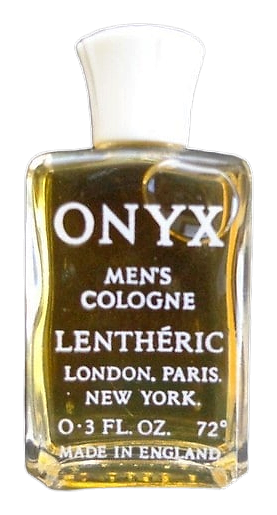
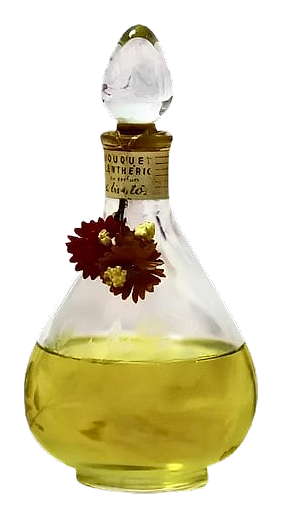
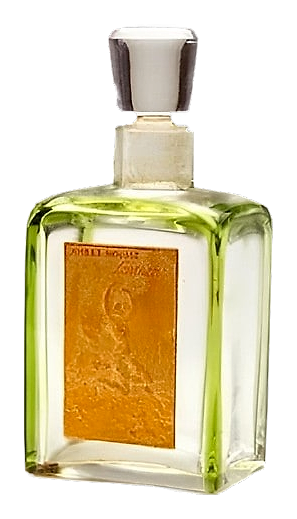
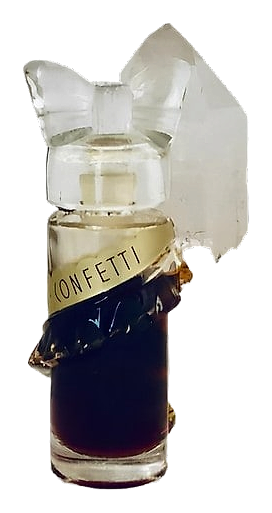
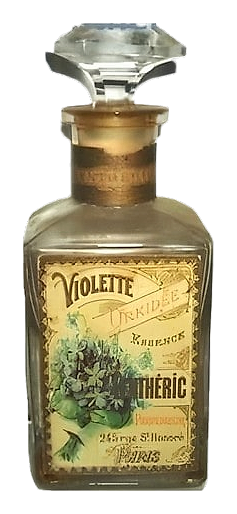
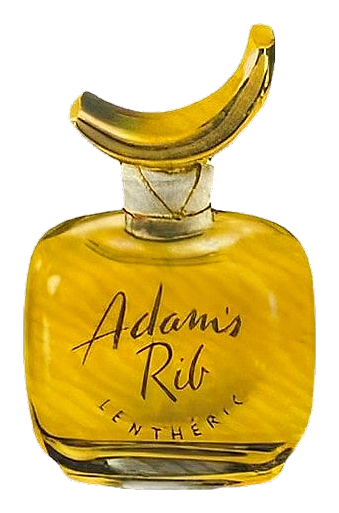
LenthericLentheric is a French perfume house whose roots stretch back to the late 1800s. Founded by hairdresser Guillaume Lenthéric, the brand began as a salon that offered bespoke fragrances to Parisian clients. Over more than a century it expanded into a full‑range perfume house, introducing iconic scents such as Miracle (1924), Onyx (1964) and Mystique (2001). Today Lentheric balances its historic Parisian atelier with a modern sensibility, delivering fragrances that feel both timeless and contemporary.
The Creator
Frank McIntoshStyle is the hardest section to write when the evidence runs thin, and intellectual honesty matters more than a tidy paragraph. The Frank McIntosh documented across the available sources built his reputation with an airbrush, not a scale.