The Story
Why it exists.
The beginning
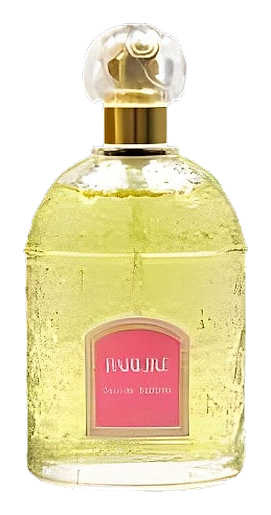
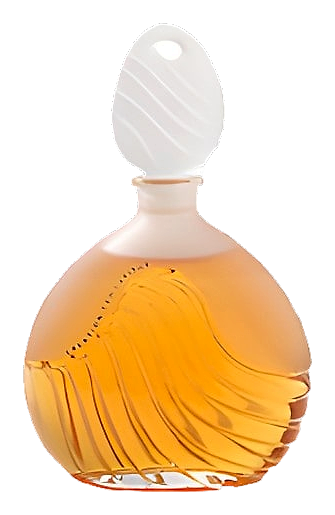
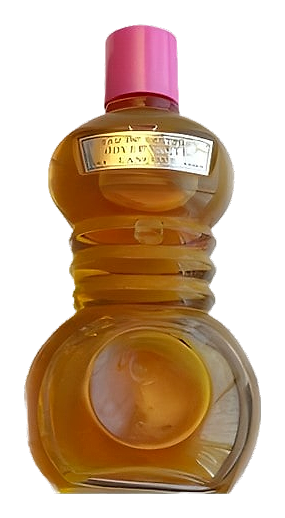
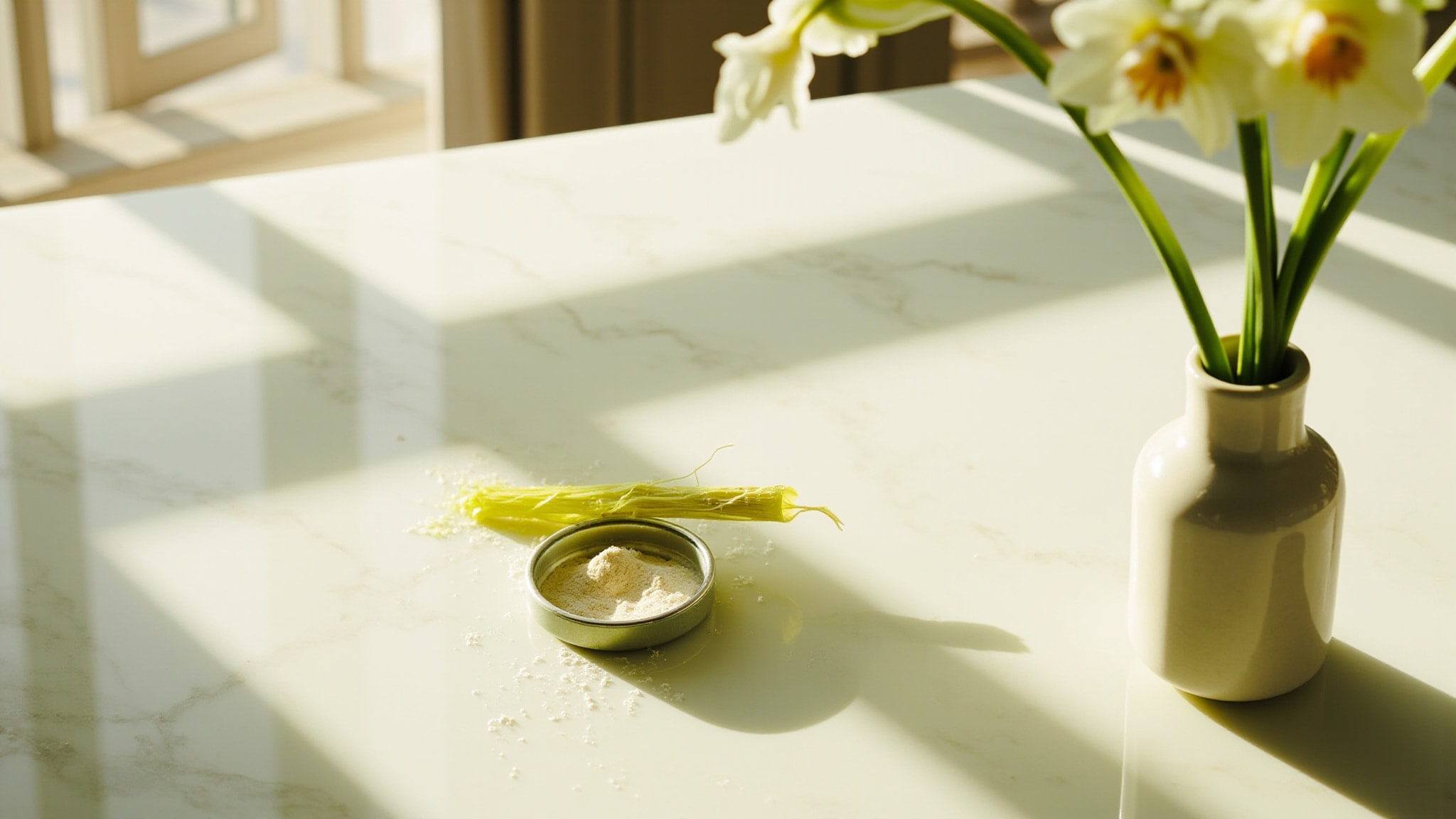
Joyeux Été arrived in 1947, the year Lancôme introduced what it called Happy Summer. The name translates directly, and the intention was simple: a fragrance dedicated to the young girl. The composition leans into that idea without apology. Galbanum and bergamot open with the bitter sting of green stems and the sharp zest of citrus peel, the green of something living rather than something arranged in a vase. The heart is floral but never crowded, built around narcissus and orris with rose and jasmine threading quietly through the center. It was never conceived as a grand floral, never meant to fill a room with sweetness. The bottle, designed by Georges Delhomme, held the idea literally, letting the liquid itself carry the visual weight.
What makes Joyeux Été interesting structurally is the way the green opening refuses to disappear. Galbanum keeps talking underneath narcissus and orris, almost like a running argument between two temperaments. The heart itself is unusually dense for something so airy on the surface: narcissus brings a slightly hay-like, animalic warmth, the kind of note that reads more like a field drying in late summer than a bouquet, while orris root delivers that powdered, rooty iris dryness that gives the composition its composure.
The evolution
On skin, Joyeux Été moves in clear, distinct phases. The opening is green, and it makes no apology for that. Galbanum hits first with that bitter, leafy sting, a note so sharp it reads almost vegetable in its rawness. Bergamot follows, lifting the edge with citrus brightness before the two settle into a shared green territory. Calendula, listed as marigold in some sources, adds a faint herbal warmth underneath, a softer counterpoint to the galbanum's bite. It smells like the moment you push through tall grass, that burst of crushed leaf and stem. As the opening relaxes, the florals surface. Narcissus arrives first, slightly dirty, slightly honeyed, the note that does most of the structural work in the composition. Iris orris adds the powdery, suede-like dryness that gives the fragrance its adult signature.
Cultural impact
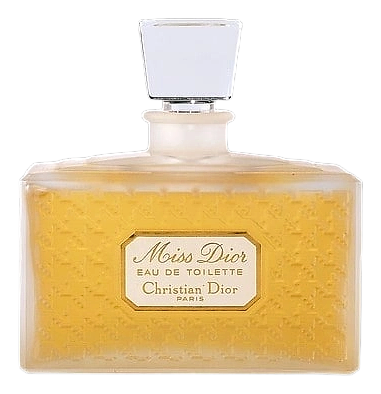
Joyeux Été launched in 1947, the same year as Miss Dior, two compositions that have come to represent a particular French moment in perfumery. Both treated green and floral as serious materials rather than decorative ones. Joyeux Été sits among the green chypres that defined that period, alongside L'Air du Temps and Diorama, each working with galbanum as a structural element rather than a passing accent. The fragrance remains a touchstone for anyone interested in how the green-galbanum tradition took shape in mid-century French composition, a category where very few later houses have approached the original intensity.