

The Story
Why it exists.
The beginning
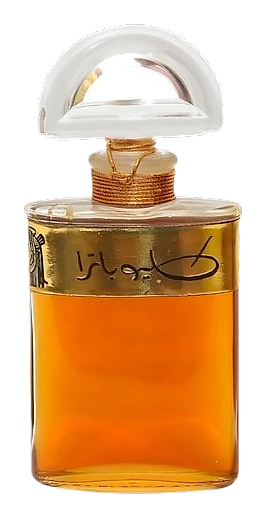
Cleopatra by Kesma is documented as a floral oriental fragrance with a broad, deliberately layered composition. Its release year is listed inconsistently across available sources, so the fragrance is better approached through its declared materials rather than a fixed date. The opening combines cinnamon, black pepper, cloves, and galbanum. Beneath that spice sits a substantial floral heart built from orange blossom, ylang-ylang, heliotrope, narcissus, tuberose, jasmine, rose, and iris. Honey adds another clearly listed dimension, joining the floral heart with the warmer materials below. The base gives the composition its darker register. Sandalwood, patchouli, labdanum, oakmoss, tobacco, leather, incense, and amber extend beyond the spice-and-floral center.
Cleopatra is built around a substantial floral heart, with orange blossom, ylang-ylang, heliotrope, narcissus, tuberose, jasmine, rose, and iris all listed in the composition. Honey accompanies these flowers, while the base introduces sandalwood, patchouli, labdanum, oakmoss, tobacco, leather, incense, and amber. The opening notes are equally forceful on paper: cinnamon, black pepper, cloves, and galbanum create a compact spice register that sits above the floral center. That structure makes Cleopatra easy to read as a layered composition.
The evolution
Cleopatra’s declared composition places cinnamon, black pepper, cloves, and galbanum above a broad floral heart. Together, those materials establish a green and spicy frame. Below them sit orange blossom, ylang-ylang, heliotrope, narcissus, tuberose, jasmine, rose, and iris, giving the center a varied floral character. Honey introduces a sweet component within the listed materials, while the base broadens the composition with sandalwood, patchouli, labdanum, oakmoss, tobacco, leather, incense, and amber. The note pyramid suggests a shift in emphasis rather than a simple linear progression. The opening is defined by spice and galbanum, the heart by its many flowers and honey, and the drydown by woods, resins, tobacco, leather, incense, and amber. Because performance depends on skin, concentration, and application, the time each group becomes most noticeable can vary.
Cultural impact
The name Cleopatra gives Kesma’s fragrance an immediate historical frame, but its cultural presence is grounded in the material composition rather than an unsupported story about the house or its audience. The title evokes a familiar figure from antiquity, while the floral oriental structure points toward a different kind of richness: many listed notes arranged in layers of green, spice, blossom, honey, wood, resin, smoke, and amber. That pairing makes Cleopatra an inviting subject for discovery, inviting attention to the fragrance’s details rather than to any claims about collector preferences or market position.