
The Story
Why it exists.
The beginning
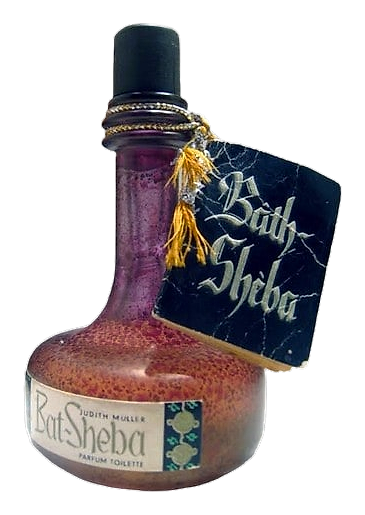
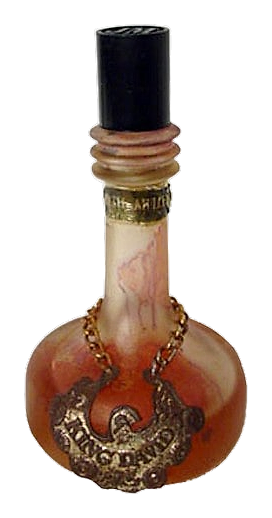
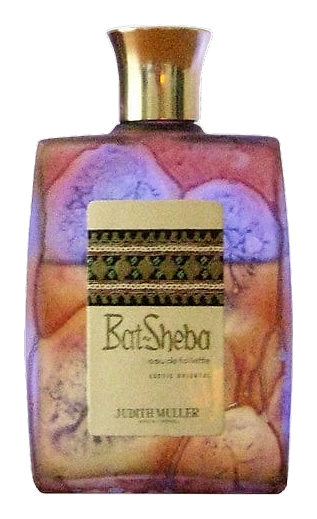
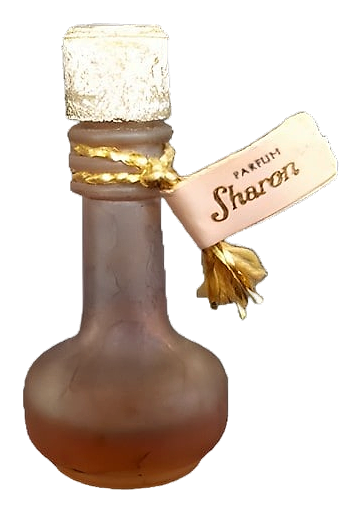
Sharon arrived from the bench of Judith Muller, a Hungarian-born perfumer who had settled in Israel and built her fine fragrance line. The name belongs to the same register that shaped her portfolio, a deliberate echo of weight, of history, of place. Sharon sits alongside Bat-Sheba and King David as part of a body of work where names are chosen with care. Muller did not name her compositions lightly, and the names she reached for carry their own gravity before a single note is mixed. With Sharon, the register is gentler, a quieter femininity dressed in white florals and warm amber, less narrative intensity than Bat-Sheva and more a soft personal mythology. A scent for the woman who carries her own land inside her, who prefers her florals to feel discovered rather than announced.
What makes Sharon structurally interesting is its restraint inside a rich palette. The aldehydes do real work, brightening the neroli and honeysuckle into something almost effervescent rather than letting them collapse into fruit syrup. The heart stays classical, rose, jasmine, ylang-ylang, iris, lily of the valley, a full white-floral bouquet threaded through iris powder rather than indolic heaviness, keeping the bouquet cool and slightly translucent. The aldehydes hover above the floral heart like a thin layer of glass, keeping the bouquet from going too soft, too sweet, too much.
The evolution
The opening carries a bright, almost nervous energy. Aldehydes hit clean and cool, sharpened by bergamot, lifted by neroli, sweetened just slightly by honeysuckle and a soft fruit suggestion. It reads like the air before a room fills, anticipation in the walls. The florals arrive together and they arrive with confidence. Rose opens the door, jasmine fills it, ylang-ylang turns up the warmth, iris dusts everything in violet powder, and lily of the valley drops its green sweetness into the center of the arrangement. The aldehydes do not vanish in the transition; they linger above the bouquet like a thin layer of glass, keeping the florals from collapsing into sweetness, from spilling into the syrupy territory that so many white-floral compositions fall into. The shift from heart to base happens gradually.
Cultural impact
Sharon sits within Judith Muller's biblical portfolio alongside Bat-Sheva and King David, fragrances that drew their names from the same Old Testament register. The naming convention carries its own gravity: these are names with centuries of cultural weight behind them, and Muller reached for them with intention. Sharon occupies the quieter register of the collection, a composition that rewards patience, built for the wearer who wants the florals to feel discovered rather than announced.
The House
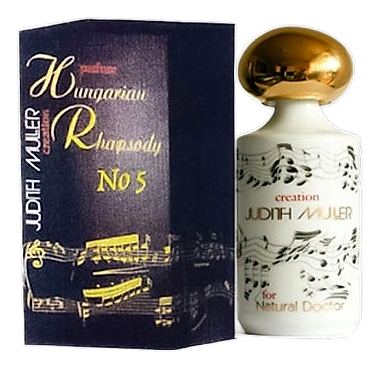
Judith MullerJudith Muller was a Hungarian-born Israeli perfumer, cosmetologist, and entrepreneur who carved a distinctive path in 20th-century fragrance design. Active from the mid-1960s through the early 2000s, she created a portfolio of perfumes notable for their rich, narrative quality and biblical nomenclature. Her work spans from the landmark Bat-Sheba, launched in 1966, through the deeply personal Hungarian Rhapsody No. 5 in 2005, offering collectors and fragrance historians a body of work that bridges Middle Eastern heritage with European sensibility. Though her perfumes have been discontinued for over two decades, they remain sought after in the vintage market for their distinctive chypre structures and oriental depth. Muller's approach distinguished itself through an unusual combination of commercial accessibility and artistic ambition, producing fragrances that spoke to both identity and experience without sacrificing wearability.
The Creator
Judith MullerMuller worked in the floral chypre and exotic oriental registers, drawing on the rich, resinous palette suited to Mediterranean and Middle Eastern tastes. Her compositions favored opulent florals grounded in mossy, animalic, and spicy bases, an architecture inherited from clas…