The Story
Why it exists.
The beginning
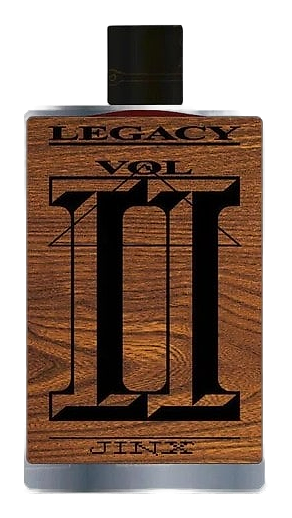
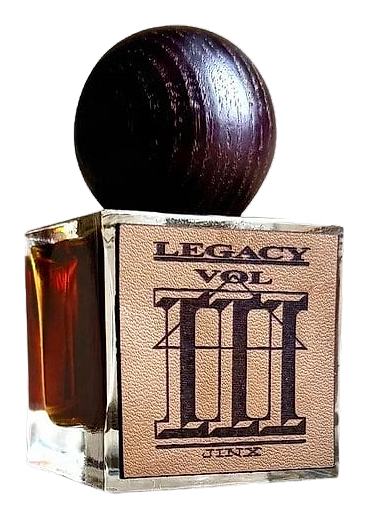
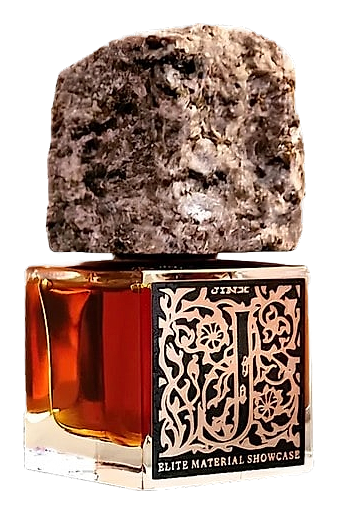
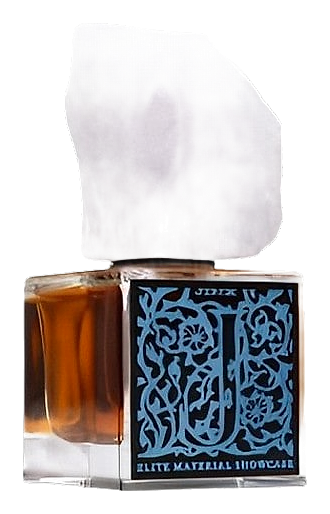
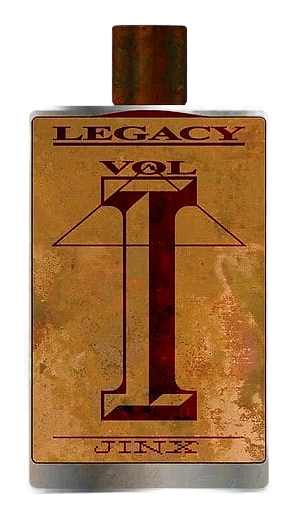
Legacy Vol. 1 arrived without apology. Oud from Vietnam, Thailand, and China stacked together in a way that demands attention. Bulgarian rose otto sits alongside frangipani and pink champaca, each bloom asserting itself rather than melting into a generic floral haze. Castoreum anchors the base with the kind of animalic warmth that most modern houses dilute into nothing, giving the composition a raw, unpolished undercurrent. The blend reads like a deliberate inventory, naming the materials that matter and letting them argue it out in the open. There's no smoothing over the rough edges, no rounding off the bite. What you smell is what was put in the bottle, and the bottle makes no attempt to flatter the nose encountering it for the first time.
What makes the structure unusual is the frankincense layering. Nigerian and Omani green frankincense sit beside bakhoor in the heart, creating a resinous density that gives the composition its gravitational pull. Add the majmua and Spanish cherry in the opening, and the fragrance pulls from Middle Eastern, South Asian, and European perfumery traditions simultaneously, refusing to belong to any single lineage. The oud trio, Vietnamese, Thai, and Chinese, brings three distinct regional sources into one accord, and the effect is anything but homogeneous.
The evolution
The opening is the loudest phase. Cardamom and saffron land sharp, with majmua and orange blossom softening the edges into something almost edible. White ambergris adds a skin-like warmth underneath, so the opening reads less like a spice cabinet and more like a room someone just walked through, a space holding the trace of recent presence. As the composition settles, the resins take over. Frankincense from Nigeria and Oman, bakhoor, blue lotus, frangipani, champaca, the whole floral-resinous core arrives like a slow exhalation, dense and unhurried. The smoke and petal and incense stack so heavily you stop noticing individual notes and start perceiving the composition as a single breathing mass. Later, the base emerges quietly. Castoreum and oud settle first, followed by blond tobacco, myrrh, sandalwood, and the musk blend.
Cultural impact
Legacy Vol. 1 functions as a clear introduction to the kind of perfumery Jinx Smells is interested in making. The fragrance reads as a statement of intent: natural materials, animalic frankness, no dilution of the elements that give natural composition its texture. For collectors who already know what castoreum and Vietnamese oud bring to a base, this is a familiar language spoken without apology, dense and unapologetic. For newcomers, it serves as an entry into perfumery that doesn't round its edges, that keeps the bite and the smoke and the fur intact rather than sanding them down for easier consumption.
The House
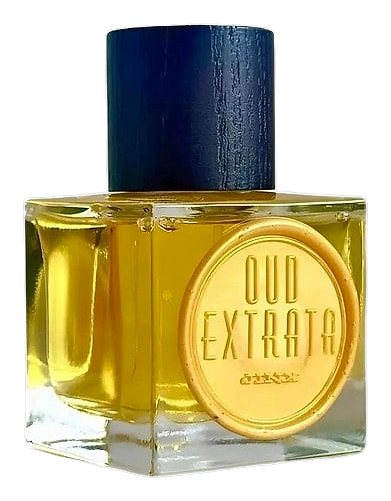
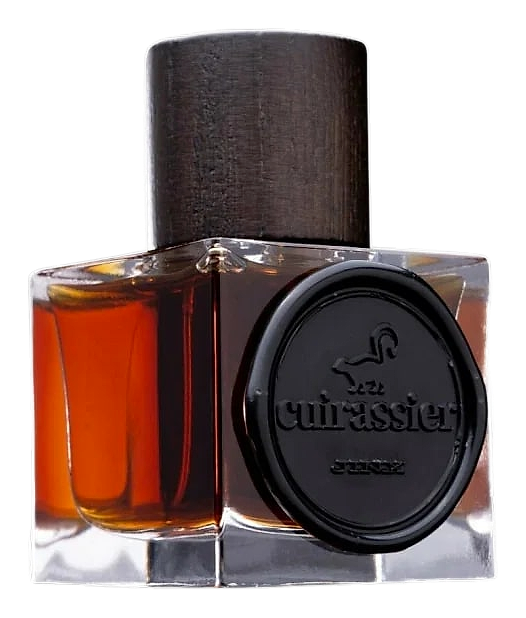
Jinx SmellsJinx Smells is an artisan perfume house that operates out of upstate New York. The label focuses on hyper‑niche compositions that foreground oud and animalic notes, and it insists on using only natural raw materials. Founder Arthur Clayton Emrick, a longtime fragrance collector, curates each release with a collector’s eye for rarity and depth. The brand’s releases, such as Cuirassier (2025) and Blue Chyp (2024), have earned a reputation among niche enthusiasts for their unapvious intensity and meticulous balance.
The Creator
Arthur Clayton EmrickArthur favors a modular approach, layering accords in a way that each can be isolated on the skin. He leans heavily on natural absolutes—bergamot, labdanum, and cedarwood—paired with synthetics that amplify texture, such as iso e super and ambroxan.