The Story
Why it exists.
The beginning
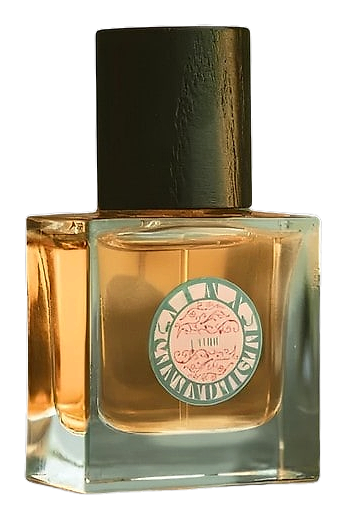
Arthur Clay Emrick built Étude around a specific tension: 1950s French-powder perfume rebuilt around the raw materials his house actually works with. The name says as much: an étude is a study, a piece of practice, a focused exercise in solving one particular problem. Launched in 2024, the composition sits in the catalog as a limited offering, constrained and deliberate, more exercise than statement. The whole thing starts with a dense, almost sculptural floral heart: heliotrope, iris, violet, rose water, gardenia, tuberose, jasmine, all stacked so tightly the air around them feels thickened, almost lacquered.
The 1950s French-powder reference isn't decorative. Heliotrope, iris, violet, rose water, gardenia, tuberose, jasmine, all stacked into a dense floral heart, then dusted with powdery notes and bound with frankincense. That's a specific lineage, the postwar floral territory of face-powder-and-orris compositions that defined an entire era of European perfumery, that quiet, ladylike world of compact mirrors and pearl necklaces and silk scarves pressed into wardrobes.
The evolution
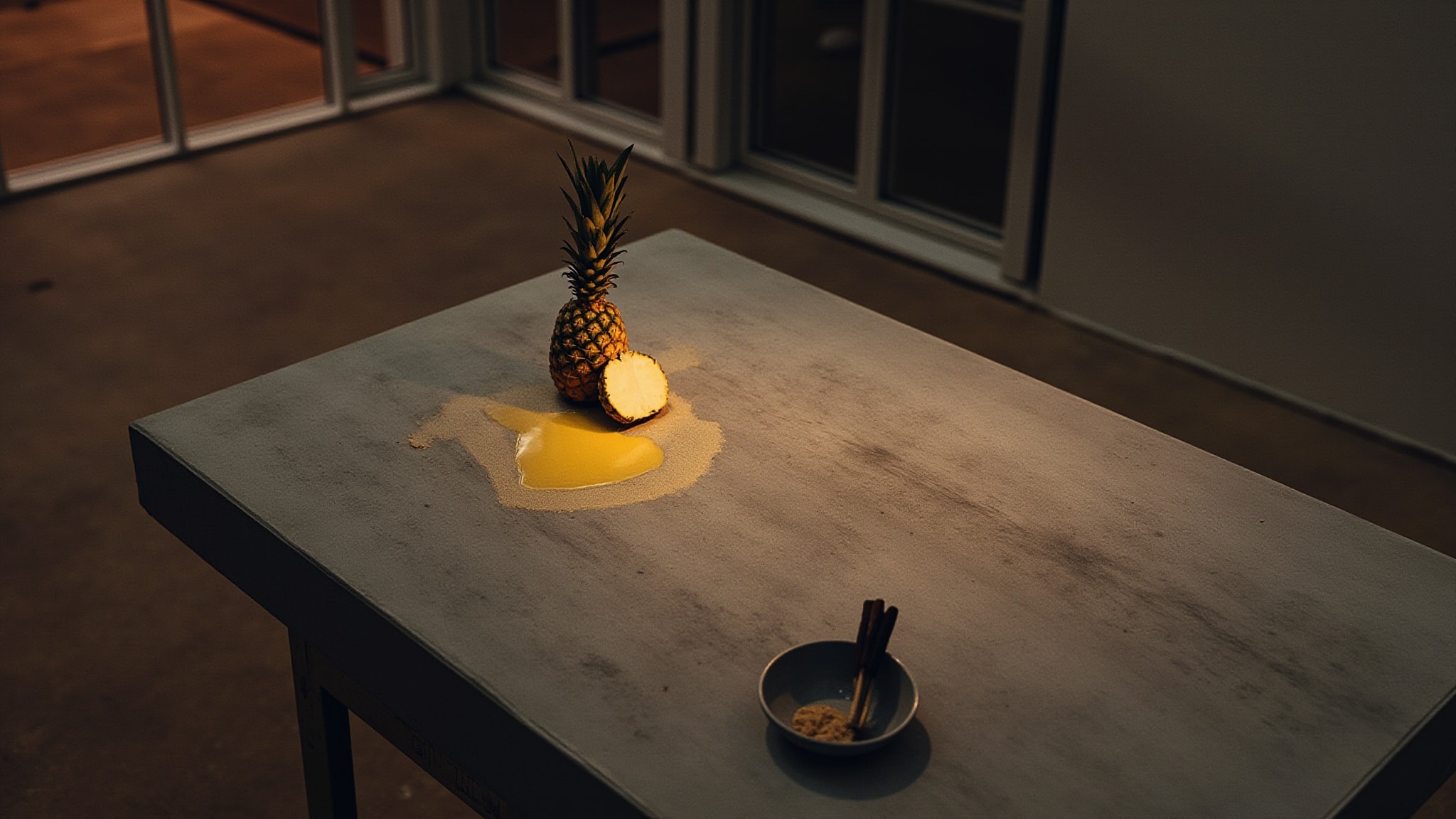
The opening is almost disarmingly sweet. Pineapple and vanilla, a scoop of something confectionary, then heliotrope settling over it like a cosmetic veil. Give it fifteen minutes and the heart takes over, iris and violet and gardenia stacking into dense white-floral powder, rose water adding wetness, fig lending a green-leaf sweetness that keeps the whole thing from going arid. Frankincense threads through, barely there, a suggestion of resin rather than a church. By the third hour the florals have thinned but not vanished, and the base starts speaking. Oud arrives low and somewhat animalic, leather darkens the edges, palo santo brings dry wood smoke. The powder doesn't disappear, it sinks into the oud and comes out the other side as something closer to skin. Six hours in it's a close-skin scent, amber and palo santo and the ghost of iris, warm and slightly dirty. The next morning there's a faint trail on the wrist, more wood than flower, a memory of the composition rather than the composition itself.
Cultural impact
Étude sits in a particular space within the wider landscape of independent perfumery, a limited composition built around materials most casual fragrance wearers will never have encountered outside of a specialty bottle. The floral heart, dense and powdery, draws on a vocabulary borrowed from mid-century French perfumery, while the base leans into oud, leather, palo santo, and amber, materials that pull the composition toward a much darker, more resinous register.