
The Story
Why it exists.
The beginning
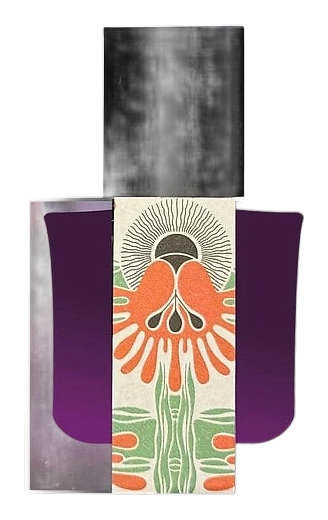
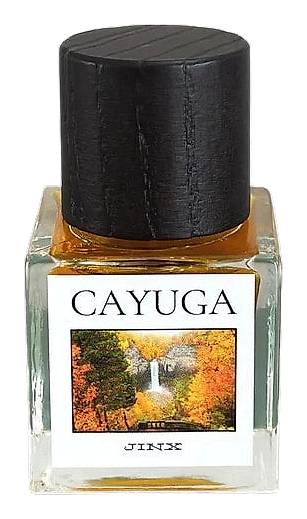
Cayuga landed in 2025 as part of Jinx Smells' ongoing experiment in animalic-leaning compositions. Arthur Clay Emrick built it around a straightforward concept: a green floral architecture seasoned with civet, the note that has long given perfumery its feral undertone. The Cayuga name carries the same weight as the scent: rooted, place-driven, less about decoration and more about what grows there. It's a limited release of 27 bottles, available only to Patreon members. That scarcity reflects the realities of working with an indie format. Small-scale perfume house sometimes batches its releases in runs that match available materials and the patience of a one-person operation. Cayuga fits that mold, a tightly numbered run rather than an ongoing production line.
The composition looks conventional on paper. Lily of the valley, peony, hyacinth, iris at the top. Apple, rose, patchouli, peach at the heart. Vanilla and sandalwood underneath. Every note has a place in a hundred other fragrances. What separates Cayuga is the civet, sitting in the base alongside white musk, pulling the whole structure closer to the body. Where a typical green floral floats, this one leans in. The patchouli grounds the heart with a darker, earthy shadow. The iris powders the opening into something cool and lifted.
The evolution
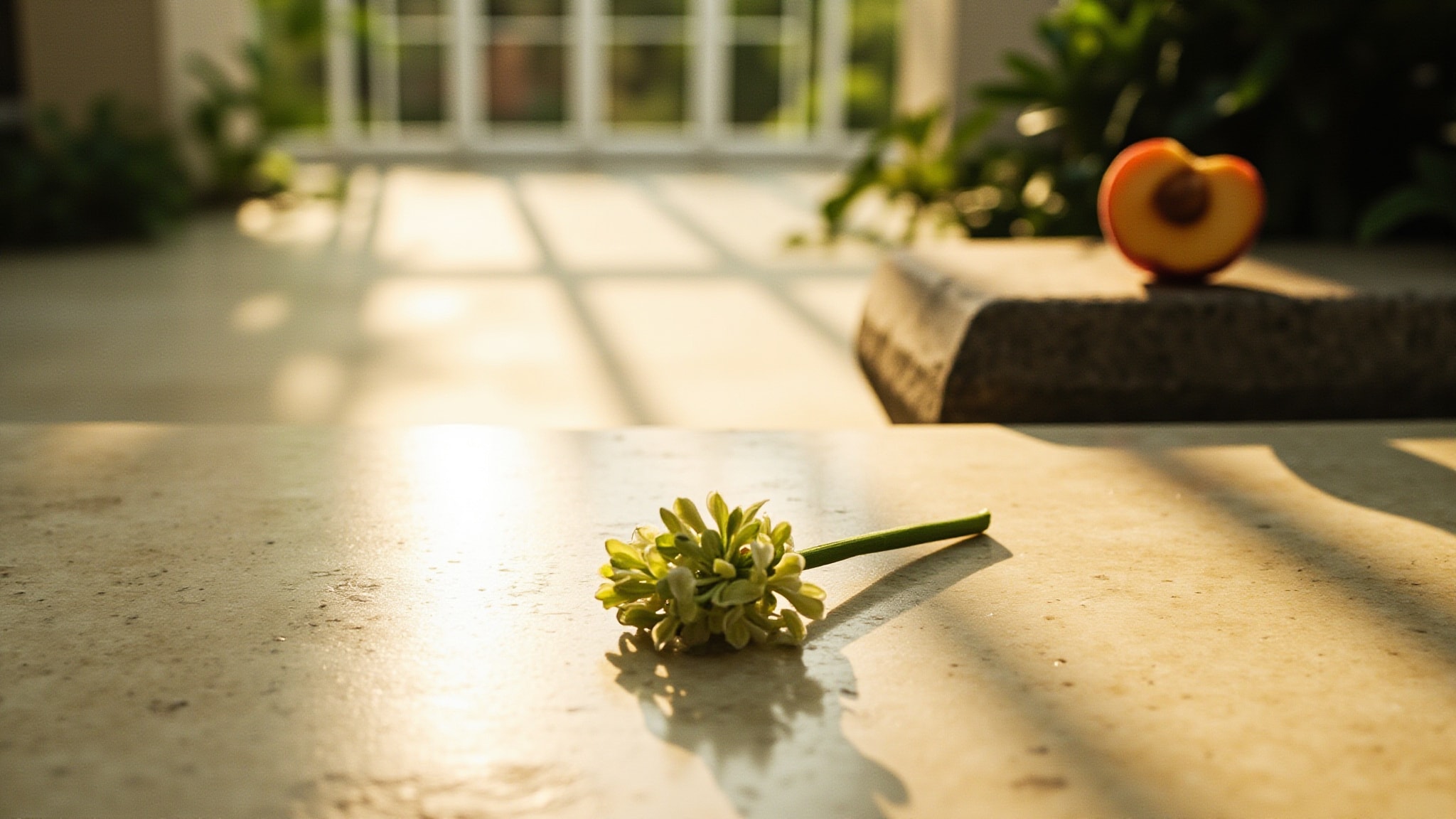
The opening belongs to the greens. Hyacinth leads, green and sharp, like stems cut fresh. Lily of the valley and peony soften the edges, but the iris keeps it cool, keeps it from tipping into sweetness. The florals settle into a steady hum before the heart begins to open. Apple arrives first, crisp and almost tart, then peach rounds it out, warm and fleshy. Rose sits underneath, not loud, not the star. Patchouli grounds everything, gives it weight, a darker shade underneath the petals. This is where the scent commits to being more than a pretty floral. As the hours pass, the drydown settles in. White musk and sandalwood make the base creamy, vanilla adds a warm sweetness, and civet works quietly in the mix. It doesn't announce itself outright. It shifts the whole composition toward a warmer, more human register, closer to skin than to spray.
Cultural impact
Cayuga sits in an unusual space: a green floral that doesn't behave like one. At least one reviewer has drawn comparisons to mainstream references like Miss Dior and Coco Mademoiselle, pointing out the civet-driven warmth that those compositions tend to smooth away. It's a Patreon-exclusive, 27-bottle release, which keeps its reach narrow by default. The scent itself reads as a classical structure carrying a wilder note at its base, a combination that sets it apart from most commercial green florals on the market today.
The House
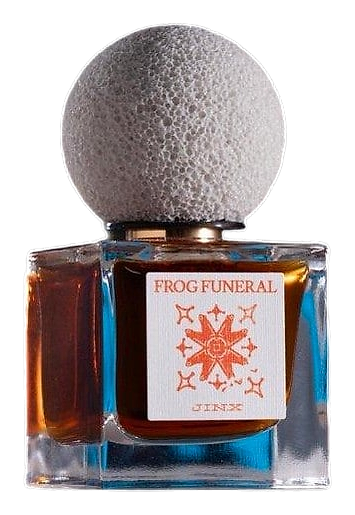
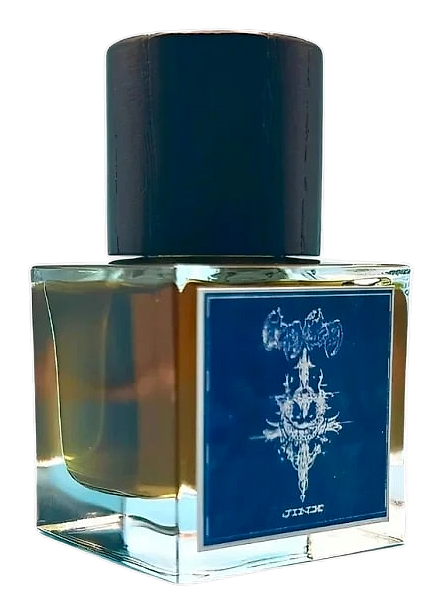
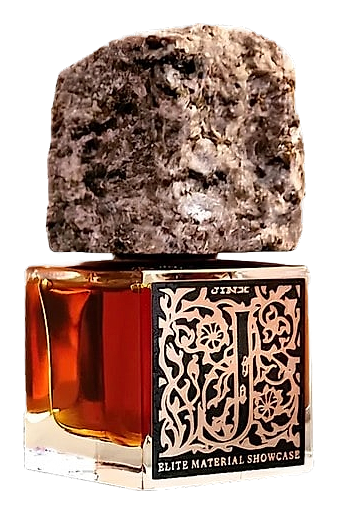
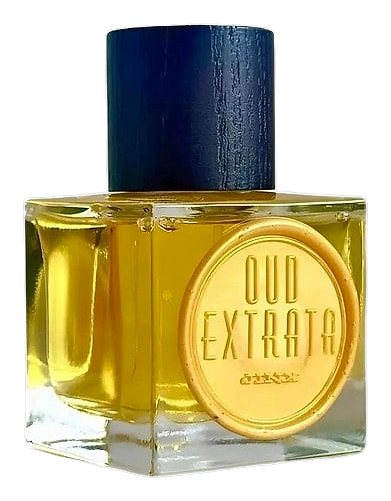
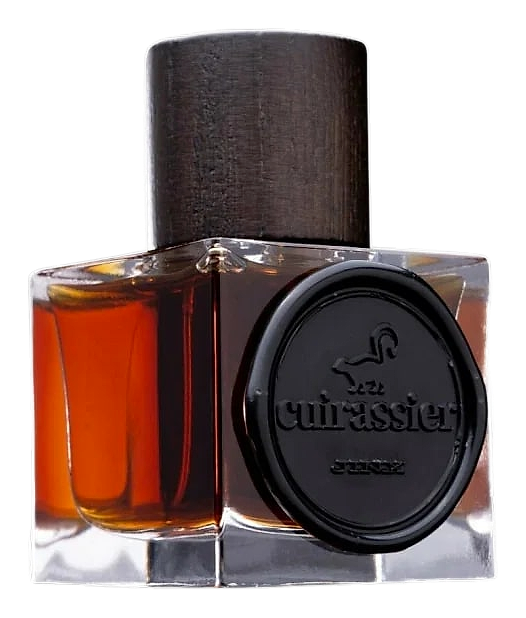
Jinx SmellsJinx Smells is an artisan perfume house that operates out of upstate New York. The label focuses on hyper‑niche compositions that foreground oud and animalic notes, and it insists on using only natural raw materials. Founder Arthur Clayton Emrick, a longtime fragrance collector, curates each release with a collector’s eye for rarity and depth. The brand’s releases, such as Cuirassier (2025) and Blue Chyp (2024), have earned a reputation among niche enthusiasts for their unapvious intensity and meticulous balance.
The Creator
Arthur Clayton EmrickArthur favors a modular approach, layering accords in a way that each can be isolated on the skin. He leans heavily on natural absolutes—bergamot, labdanum, and cedarwood—paired with synthetics that amplify texture, such as iso e super and ambroxan.