
The Story
Why it exists.
The beginning
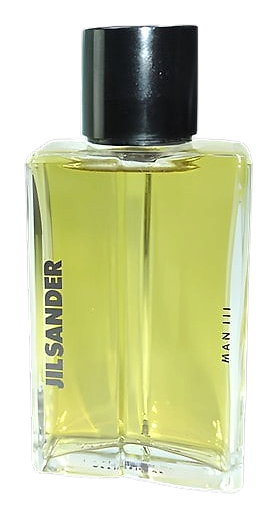
Pierre Bourdon built Man III as the third movement in Jil Sander's masculine statement. By 1991, the house had established its vocabulary: clean tailoring, architectural restraint, the power of subtraction. Man I arrived in 1981 as a declaration. Man II followed. Man III needed to feel inevitable, not louder, but more certain. Bourdon understood the assignment. He composed something that didn't argue for attention. It held it.
The structure is deceptively simple: a cool, herbaceous opening that clears the air, a heart with unexpected floral warmth, and a drydown anchored in moss and wood. What's unusual is the balance. The carnation and clove in the heart could tip toward spice, but the juniper and rose keep them grounded. The oakmoss in the base isn't decorative, it's structural. It holds everything together the way good tailoring holds a silhouette.
The evolution
The opening arrives crisp. Bergamot and sage lift the citrus, then the lavender takes over with that clean, slightly medicinal edge. Rosemary and artemisia follow, cool, green, a little bitter. Twenty minutes in, the heart begins to move. Rose and carnation bloom unexpectedly. The clove adds warmth without sweetness. The juniper keeps things sharp. By the drydown, the green notes have faded and oakmoss has taken over, dark and earthy, with pine and cedar grounding the base. The sandalwood softens. The musk lingers. On most skin, expect eight to ten hours. The next morning, there's still something warm and woody on the wrist.
Cultural impact
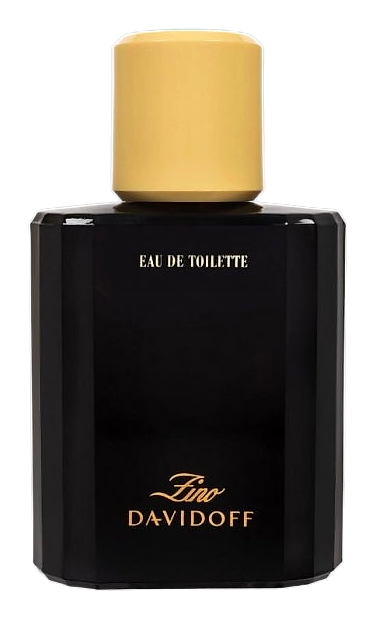
Bourdon's other notable work includes Davidoff Cool Water, which established a template for aquatic masculines that dominated the 1990s. Man III took a different path, woody chypre instead of aquatic, restrained instead of fresh. It's the fragrance for men who never needed the Cool Water moment. A quieter choice, but one with depth.