
The Story
Why it exists.
The beginning
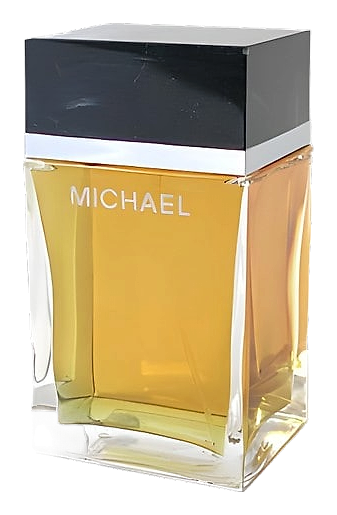
In 2001, Harry Frémont set out to create something for Michael Kors that would capture the brand's particular brand of American confidence, not loud, not trying too hard, but unmistakably present. The brief called for a fragrance that embodied the Kors aesthetic: polished sportswear that worked from boardroom to weekend, a kind of effortless put-togetherness that never announced itself. Frémont built the fragrance around a tension, the sharp, almost medicinal quality of star anise against the warmth of dried fruit and plum, the resinous depth of elemi against the herbal lift of tarragon and thyme. The interplay between these opposing elements creates something that feels simultaneously sharp and soft, medicinal and sweet.
The seven-note top accord is unusually dense for an EDT, cardamom, coriander, bergamot, thyme, tarragon, elemi resin, and star anise all competing for space in the first minutes. On paper this could easily become chaotic, but the structure allows each note to arrive and depart in sequence rather than all at once. Star anise dominates the opening, its anethole character gives the fragrance its signature medicinal sweetness, and this initial phase can last longer than expected before the deeper elements begin to emerge.
The evolution
The opening hits like a sharp exhale, star anise and elemi resin asserting themselves before bergamot and thyme arrive to soften the edges. Plum and dried fruits gradually take over the foreground while pipe tobacco and suede emerge from underneath, adding texture without weight. The frankincense in the heart adds a quiet incense note that doesn't read as religious or heavy, more like the smell of a well-worn leather chair in a room with good light. Once the base notes have fully committed, sandalwood and patchouli create a warm, slightly sweet foundation that holds the plum and tobacco together. This is where the fragrance lives for most of its runtime, intimate, warm, present without projecting. The drydown on clothing is subtle: patchouli and sandalwood, the ghost of plum, a lingering warmth that stays close to the skin rather than announcing itself across a room.
Cultural impact
Michael for Men won the Fragrance Foundation Award for Men's Luxury in 2002, its launch year. The composition brought something different to masculine perfumery at that time. Its combination of star anise, tobacco, and suede positioned it as something distinct from the dominant masculine codes of the era. This was not a fresh aquatic, not a heavy leathery fougère, but something that felt both modern and grounded. The fragrance represented a shift in how masculine scents could be constructed, moving away from the sharp, aquatic-led compositions that had dominated the previous decade toward warmer, more complex structures.