
The Story
Why it exists.
The beginning
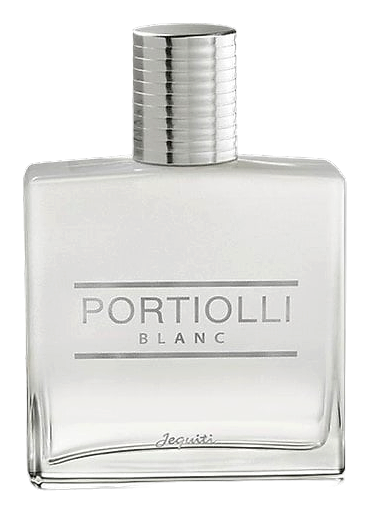
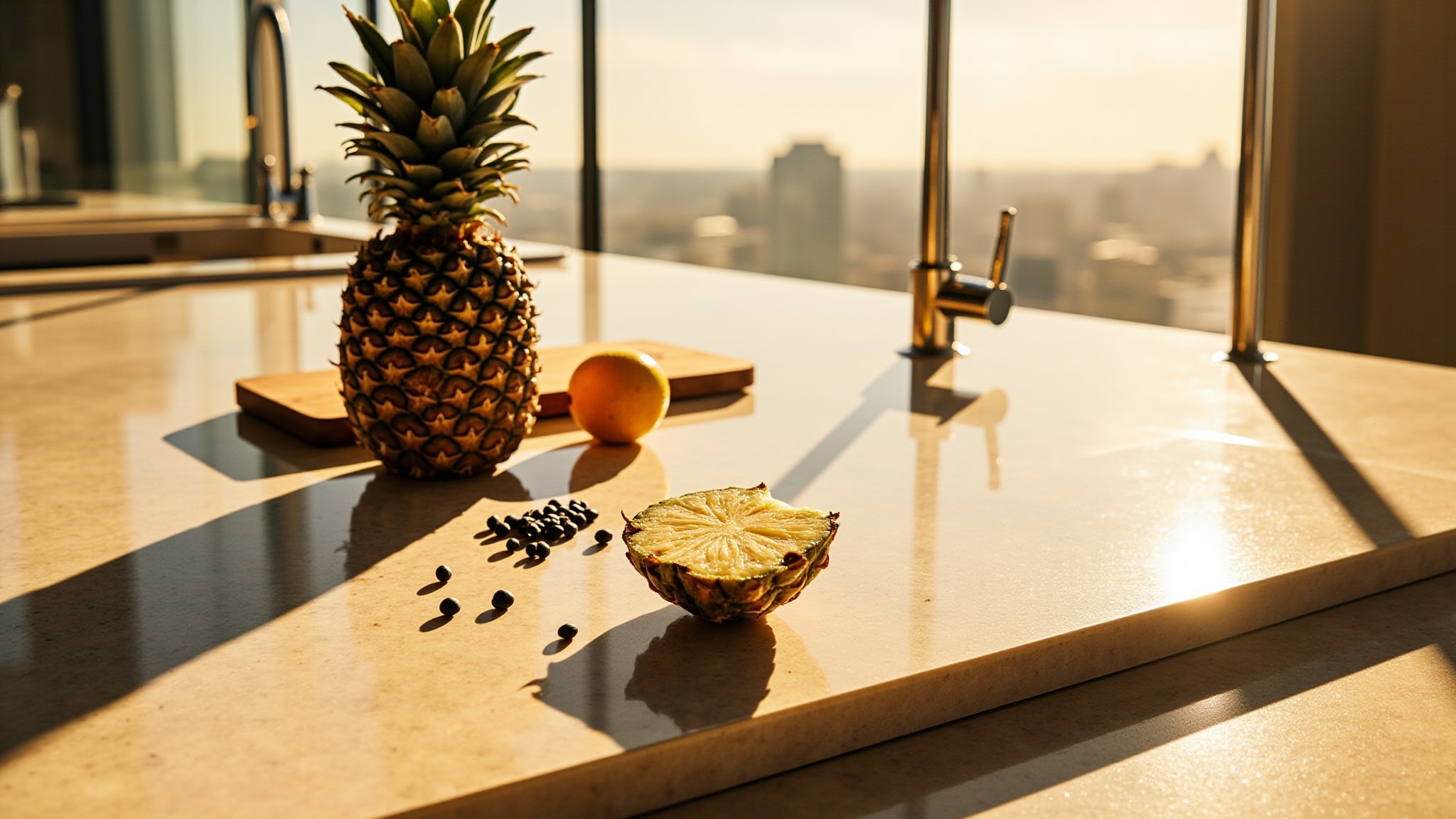
Portiolli Blanc arrived in 2022 from Jequiti, a Brazilian fragrance house. Perfumer Leonardo Lucheze built the composition around a pineapple-and-bergamot top that catches light fast, then drives it into cedar, sandalwood, and benzoin at the heart. The drydown lands on amber, vetiver, patchouli, and vanilla for warmth that settles rather than announces. The pineapple gives the opening a sunny snap, almost carbonated in how it lifts off the skin, while the bergamot keeps the citrus edge clean and brief. As those top notes recede, the woods rise with a soft-spoken authority, cedar lending a pencil-shaving dryness and sandalwood adding a milky smoothness. Benzoin bridges the transition, dropping a low hum of resin into the middle phase.
Lucheze pairs the fruit-top with a wood-spice heart with real intention. Black pepper and benzoin sharpen the cedar and sandalwood without tipping into pure sweet-spice territory. The base leans on vetiver and patchouli for an earthy anchor that prevents the vanilla from going soft. The black pepper arrives with a dry, almost dusty heat that sits right at the edge of the woods, keeping things awake rather than letting the composition drift into dessert territory. Benzoin works the opposite direction, adding just enough caramelized sweetness to keep the woods from feeling austere.
The evolution
The opening moments are all pineapple, bergamot, and apple doing their bright, almost fizzy thing. It smells like cold fruit sliced over something woody underneath. The bergamot pulls back first, and the black pepper arrives with a dry, almost dusty heat. Cedar and sandalwood build quietly underneath while benzoin starts leaking sweetness into the mid-tones. Eventually the fruit becomes a memory and the composition reads as a warm wood-spice blend with a vanilla halo beginning to form. The late-stage drydown is amber, vetiver, patchouli, and vanilla in close conversation. The pineapple opening has a particular brightness that reads almost carbonated, lifting off the skin in quick bright pulses before the bergamot tempers it with something more bitter and clean. The apple adds a roundness at the top, softening the citrus edges so the fruit accord feels generous rather than sharp.
Cultural impact
Portiolli Blanc operates within a recognizable tradition of Brazilian fragrance releases: personality-adjacent branding, accessible pricing, and compositions built around approachable note combinations. It uses pineapple as a lead note rather than burying it, and the transition from that bright fruit opening into a warm wood-spice heart gives the scent a sense of motion that simpler budget fragrances often lack.
The House
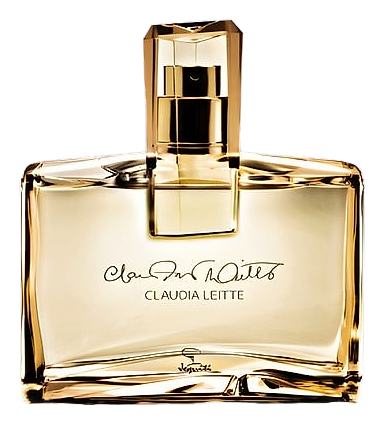
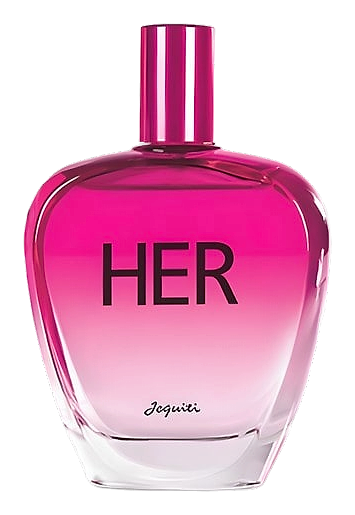
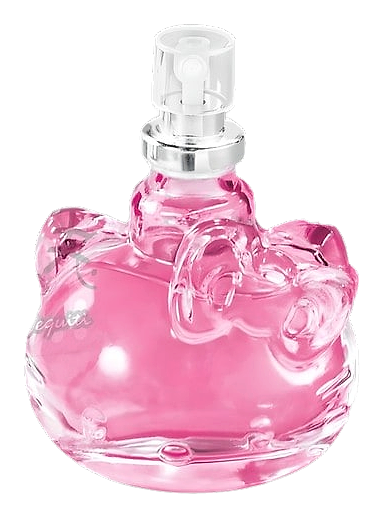
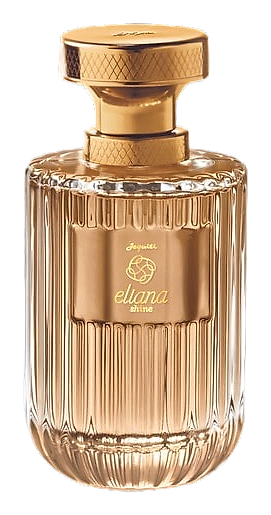
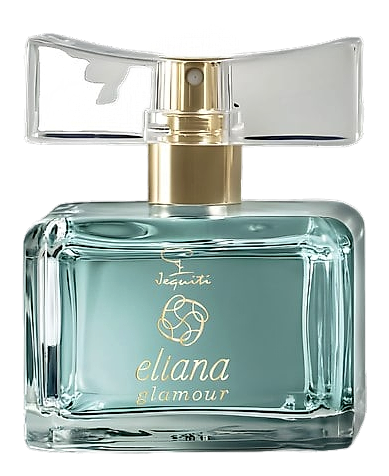
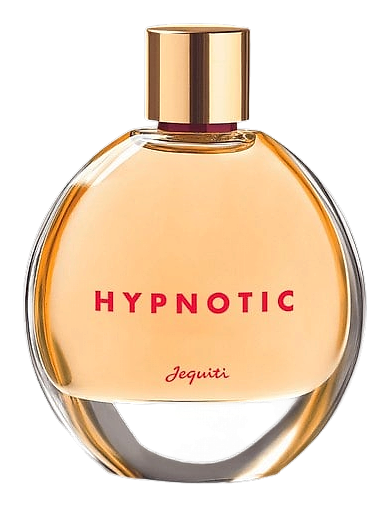
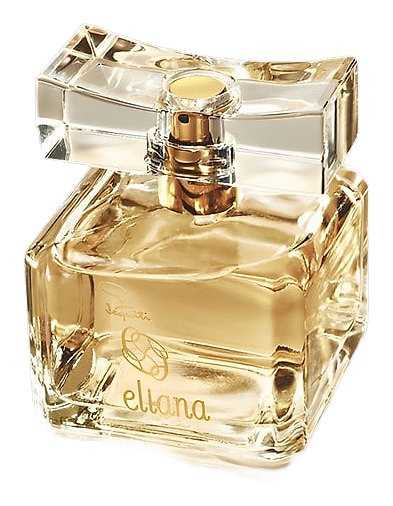
JequitiJequiti is a Brazilian cosmetics and fragrance house that reaches customers through a direct‑sales network. Since its launch in 1999 the brand has offered a wide range of scented products, from everyday body sprays to more elaborate eau de parfums such as Eu Sinto (2012) and Fléus Orchidée (2024). Its catalogue mixes bright, youthful compositions with scents that reference Brazil’s coastal and tropical landscapes. Jequiti’s presence spans more than two decades, and the company continues to introduce new releases each year while keeping price points accessible for a broad audience.
The Creator
Leonardo LuchezeLucheze gravitates toward unexpected material pairings that somehow resolve into coherence. He favors green aromatics, lactonic richness, and dark resins that carry weight without heaviness.