
The Story
Why it exists.
The beginning
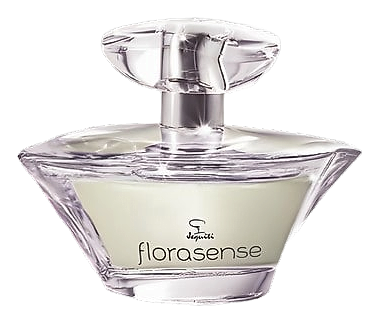
Florasense arrived in 2012 as Jequiti's answer to a very Brazilian question: what does our green smell like? The Atlantic Forest runs through the brand's identity, its official description references the mata atlântica directly, those noble ingredients from the coastal rainforest that define the country's botanical character. The name itself is a portmanteau, flora and sense combined, suggesting a fragrance that translates place into sensation. It was built for daily wear, not special occasions, something that could sit on a shelf next to the soap and the body mist and still hold its own.
What makes Florasense unusual is its refusal to choose between green and floral. Most compositions lean one way: either the citrus-herbaceous opening dominates and the florals sit quiet in the base, or the florals are the point from the first spray. Here, bergamot and green mandarin give way to freesia and peony, but the green notes don't disappear, they linger underneath, keeping the florals from going sweet. The Scent Trek note appears twice, a signature move that signals the brand is drawing on proprietary extraction technology rather than relying solely on natural materials.
The evolution
The opening hits clean, bergamot bright, mandarin tangy, green leaves adding a just-snipped quality that reads almost herbal. Within twenty minutes, the florals arrive. Freesia first, then peony, then peach blossom softening everything into a quiet sweetness that never tips into syrupy. The green doesn't vanish, it becomes the floor the florals rest on. By hour two, musk moves in. Not animalic, not heavy. Just skin-warm, the scent of something that has settled. Cedar and sandalwood anchor the base, keeping the florals from going powdery too fast. Four to six hours later, on fabric especially, what remains is a soft trace, the ghost of green stems and warm skin.
Cultural impact
Florasense occupies a specific space in Brazilian fragrance culture: green enough to feel fresh, floral enough to feel feminine, simple enough to wear every day. It arrived in 2012 alongside Jequiti's broader strategy of making quality fragrance accessible through direct sales, reaching customers who might not otherwise engage with the perfume market. The Atlantic Forest inspiration runs through its identity, a botanical heritage that separates it from the celebrity-backed launches that dominated the brand's catalog. For many Brazilian wearers, it was an entry point: a scent that smelled like something real, not like a department-store imitation of something expensive.