False Jasmine
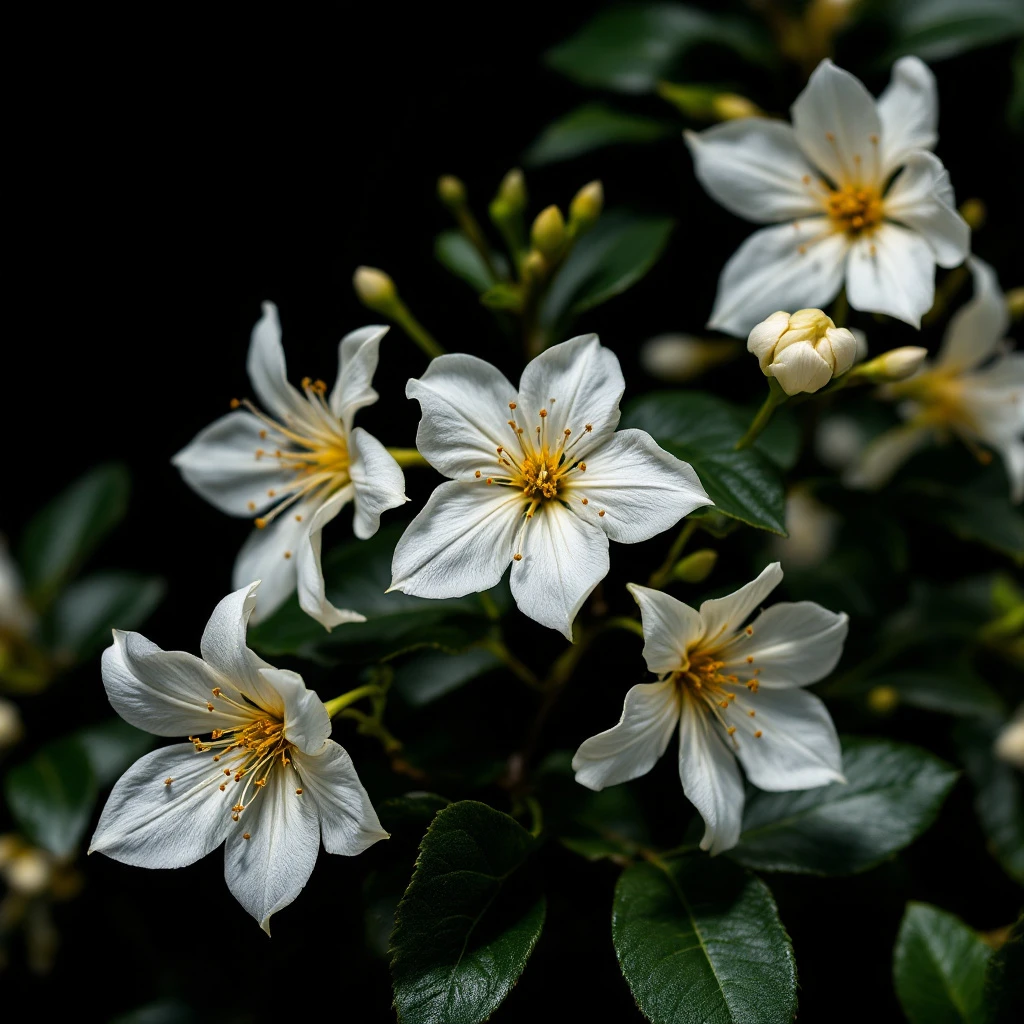
False Jasmine—often called Star Jasmine or Confederate Jasmine—is a climbing vine botanical that delivers sweet, heady floralcy with a distinctly green edge. It bridges the familiar warmth of true jasmine with an earthier, almost leathery depth, making it a compelling signature note for modern compositions seeking something quietly different.
Character
How it smells
A climbing vine with the scent of jasmine—and secrets of its own.
Despite its name, False Jasmine (Trachelospermum jasminoides) belongs to the Apocynaceae family, sharing no botanical lineage with Jasminum—yet its flowers produce an equally intoxicating fragrance at night.







Origin
China
False Jasmine originated across East Asia, with strong historical ties to China and Japan, where it grows wild across forest margins and hillside margins. Unlike true jasmine's documented westward spread from Persia through Arab trade, this climbing vine remained relatively localized in Eastern traditions. Chinese perfumers incorporated it into temple incense and aromatic blends for centuries before it attracted attention in Western perfumery.
Its late-spring bloom, releasing its strongest fragrance after sunset, gave rise to folk names referencing night-blooming qualities. The plant arrived in European botanical gardens in the 18th century as a ornamental climber, and only later did perfumers recognize its aromatic potential as a botanical alternative or complement to traditional jasmine absolutes.
Wears it best
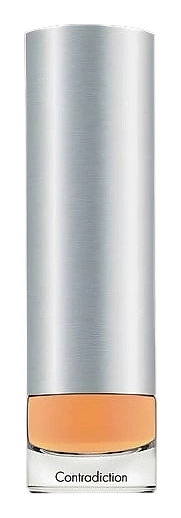
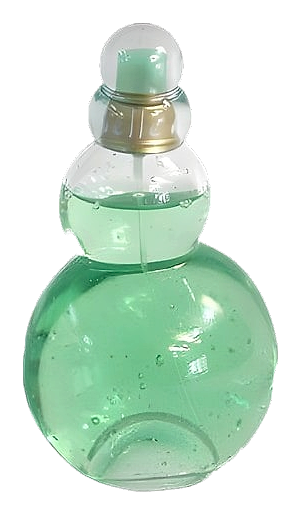
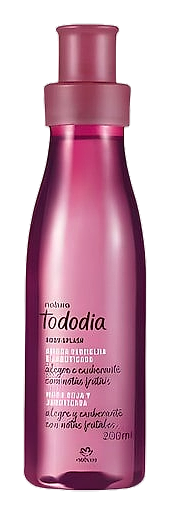
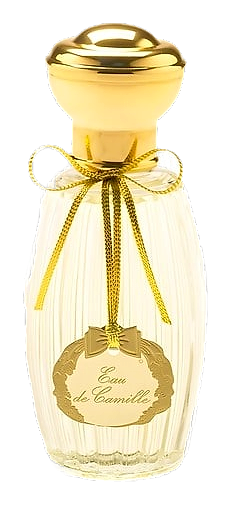
Fragrances featuring False Jasmine
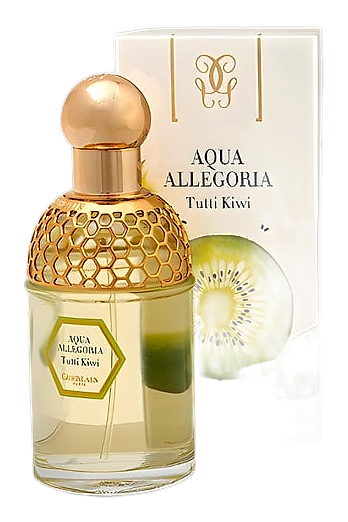
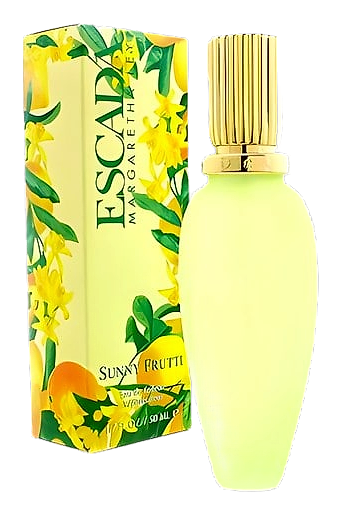
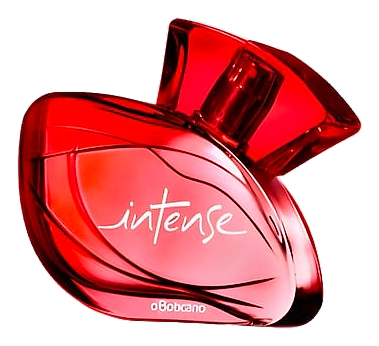
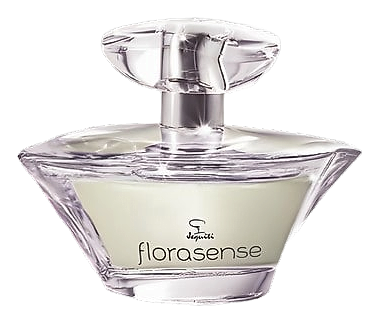
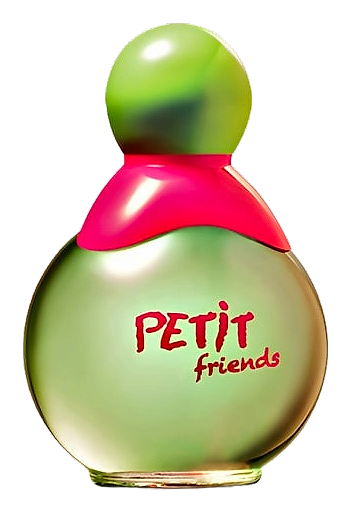
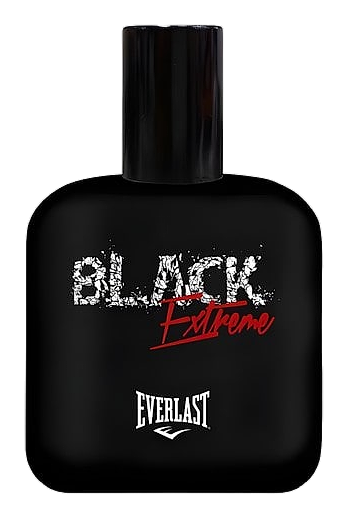
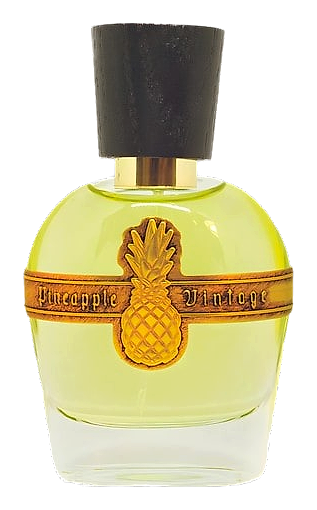
Good to know
Questions, answered
The essentials on False Jasmine in perfumery: how it smells, where it comes from, and how it behaves on skin.
What is False Jasmine in perfumery?
False Jasmine is a botanical alternative to true jasmine, derived from Trachelospermum jasminoides flowers. It offers a sweet, heady floral scent with a green, slightly leathery character distinct from Jasminum absolutes.
How does False Jasmine differ from true jasmine?
True jasmine (Jasminum) contains high levels of indole and benzyl acetate, giving it a lush, animalic warmth. False Jasmine carries coumarin-like and green floral nuances with less indolic depth, creating a lighter but earthier impression.
Where is False Jasmine sourced from?
Primary cultivation centers on East Asia, with significant production in China's Yunnan and Sichuan provinces, where climbing vines thrive in warm, humid subtropical conditions.
What extraction method is used for False Jasmine?
Solvent extraction yields a concrete and absolute from freshly harvested flowers, preserving delicate top notes. CO2 extraction is an emerging alternative that captures a broader aromatic spectrum.
What does False Jasmine smell like?
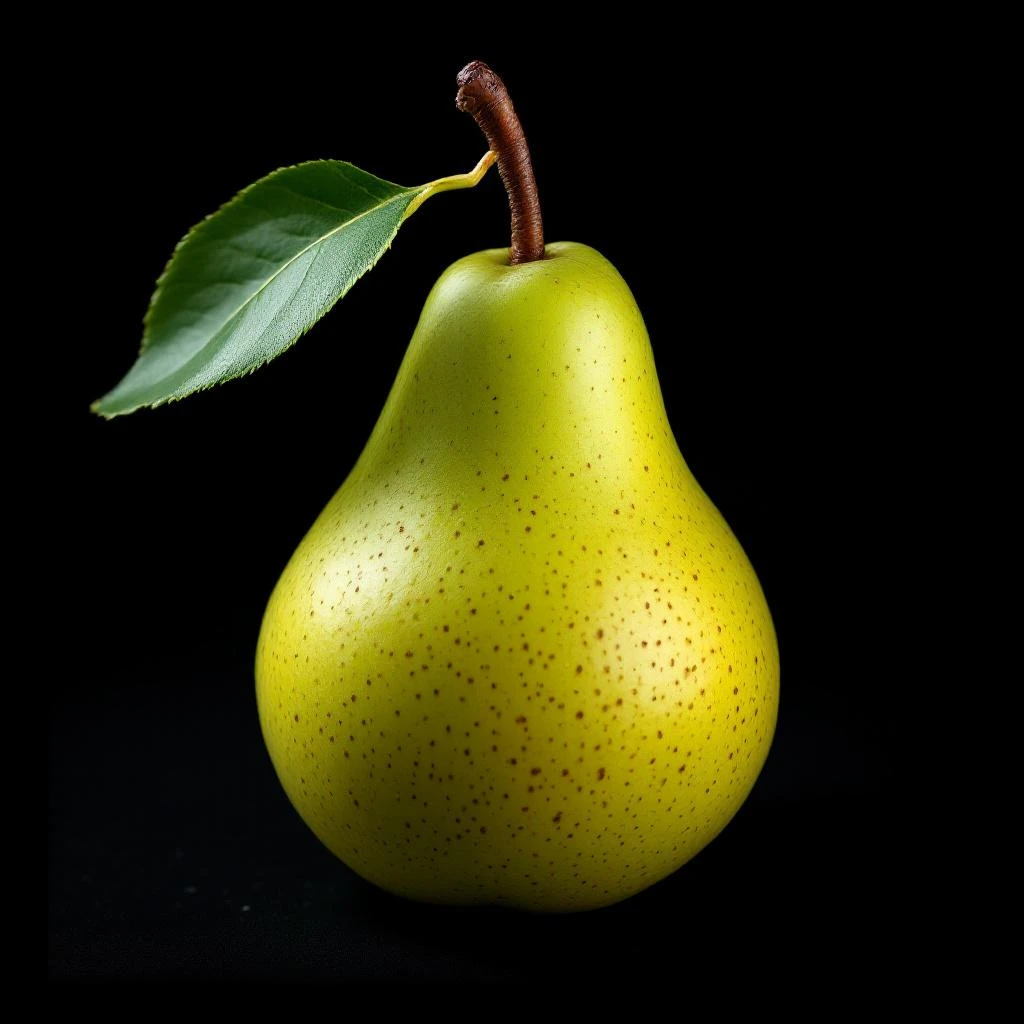
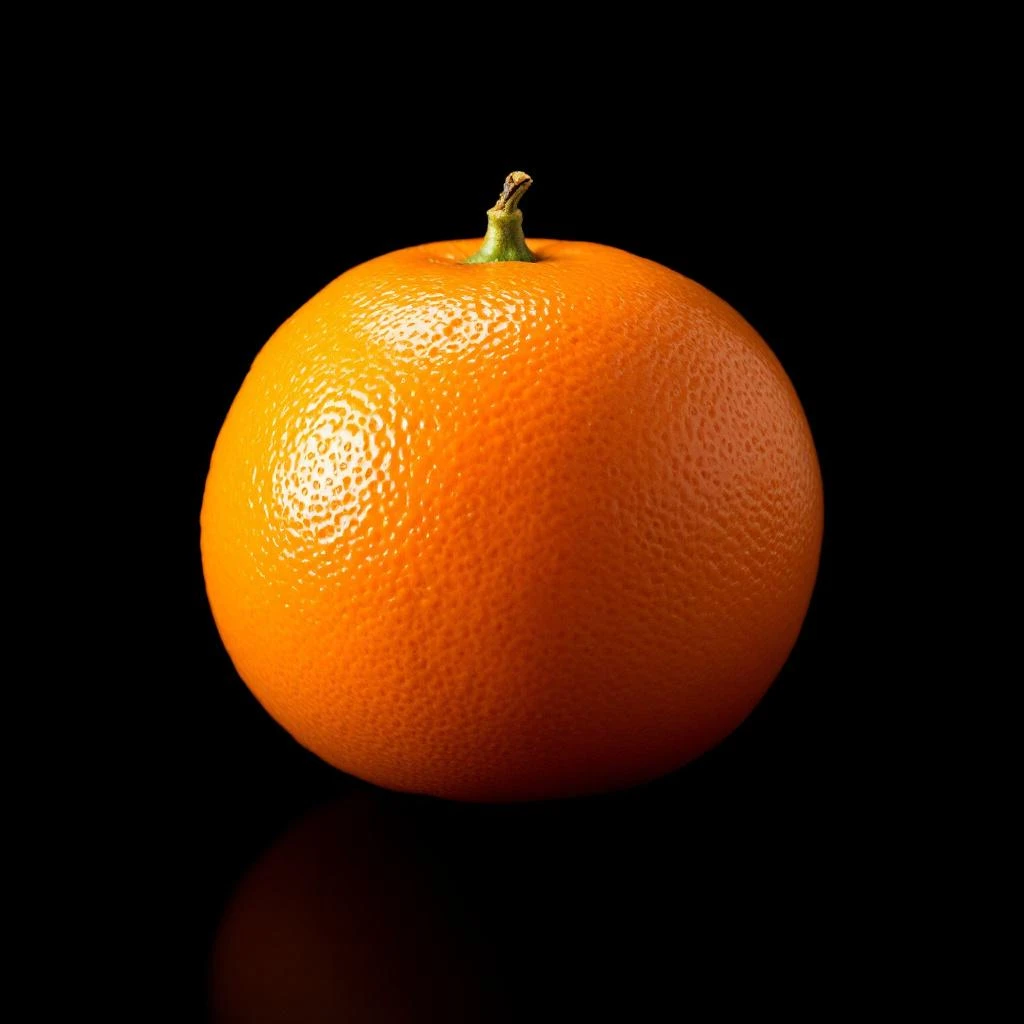
The scent opens with soft, sweet floralcy reminiscent of true jasmine, followed by green, slightly herbaceous mid-notes and a faint honeyed warmth that lingers on the dry-down.
Which fragrance families use False Jasmine?
It appears most often in white floral and oriental compositions where perfumers seek a nuanced jasmine character. It pairs well with sandalwood, ylang-ylang, and crisp green notes like galbanum.
Is False Jasmine used in natural perfumery?
Yes. Natural perfumers value it as a botanical counterpart when true jasmine is unavailable or too costly. It provides floralcy without relying on synthetic aromatics, though it remains a niche ingredient.
Can False Jasmine replace real jasmine in a fragrance formula?
It can serve as a botanical alternative, but the aromatic profile differs enough that it functions better as a complement or distinctive signature note rather than a direct substitute.