The Story
Why it exists.
The beginning
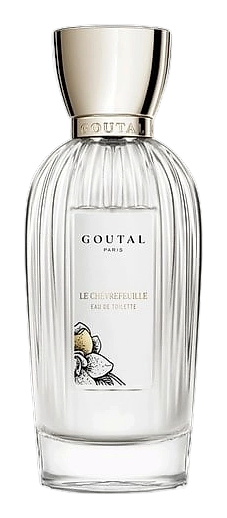
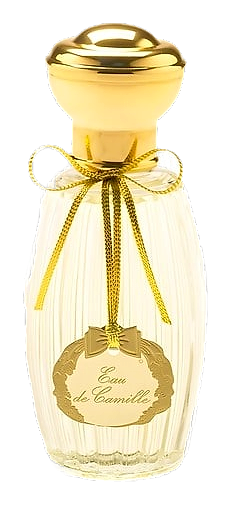
Annick Goutal created Eau de Camille for her daughter, not as a gift, exactly, but as a translation. When she wanted to give Camille something permanent, something that could be worn and held, she reached for raw materials instead of words. The fragrance was launched in 1983. The name alone carried the weight of something personal, a daughter, a memory, a garden that existed somewhere between real and imagined. There's a greenness at the opening that feels crushed, almost bitter, like ivy pulled from a stone wall. The florals arrive slowly, honeysuckle and lilac carried on damp air, warming as the hours pass. It's a fragrance that asks you to lean in rather than announce itself, intimate from first spray to quiet drydown.
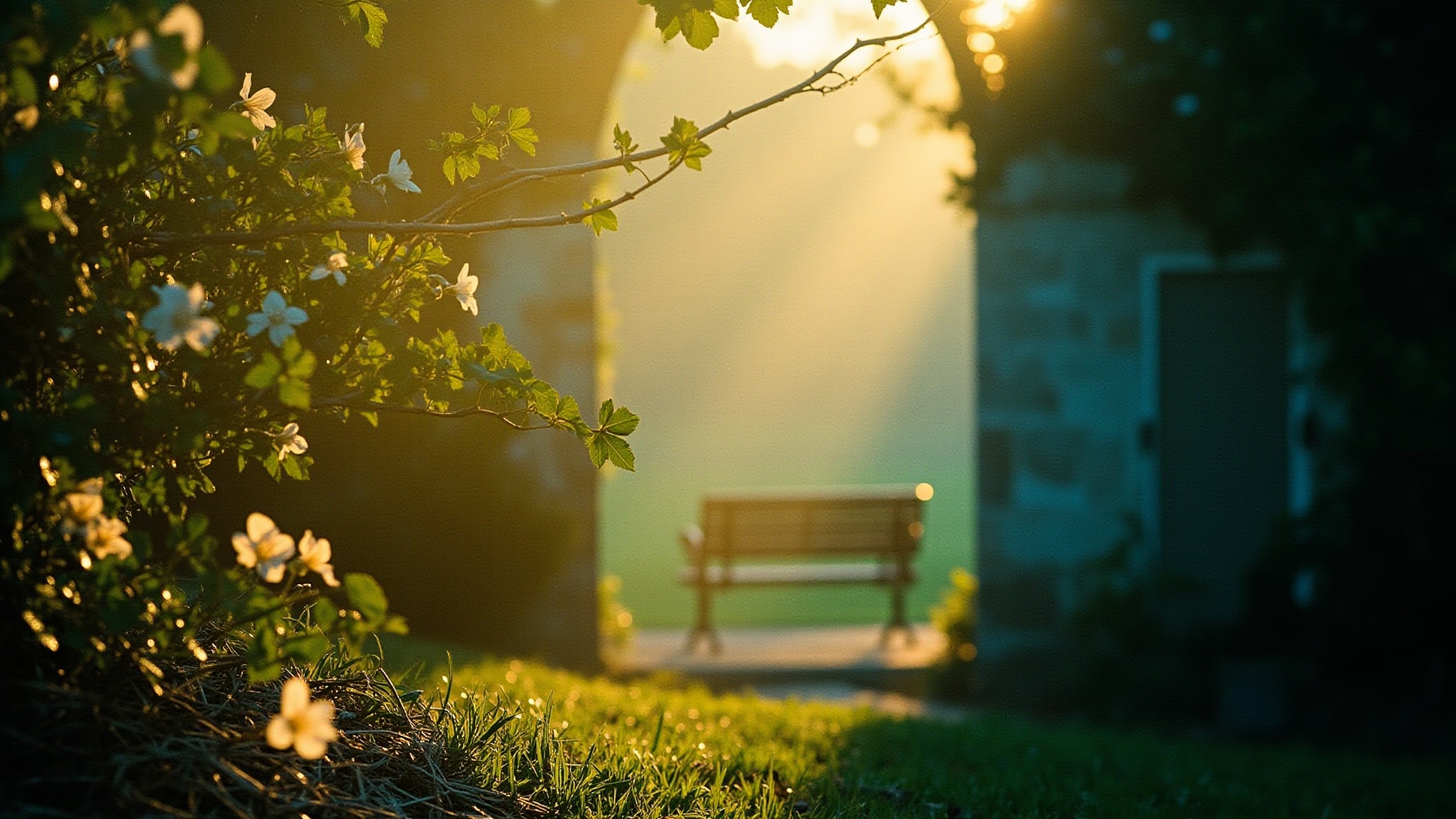
What makes this composition unusual is its structure, or rather, its refusal to behave like a structured fragrance. The top notes and heart notes share the same materials: honeysuckle, ivy, grass, lilac, privet. Most fragrances build from one accord to another. Eau de Camille circles. The green opens and stays, almost stubborn, while the floral elements don't arrive so much as accumulate, a little more honeysuckle here, a thread of lilac there, like light shifting through leaves at different angles. Syringa and false jasmine (sometimes called mock orange) add a waxy, dewy quality that makes the whole thing feel damp rather than sweet. It's the difference between a vase of flowers and a garden after rain.
The evolution
The opening hits sharp, crushed grass, a green bitterness that borders on metallic. Some people mistake this for something wrong. It's not. It's the ivy speaking, and it passes within fifteen minutes or so. What replaces it is softer: honeysuckle warming in the sun, lilac carried on damp air. The sillage stays intimate throughout, a moderate projection that keeps the fragrance close to skin rather than filling a room. The final hour returns to something quiet and green, like the memory of a garden after you've left it. This is a fragrance that unfolds slowly, rewarding attention rather than demanding it.
Cultural impact
Eau de Camille was discontinued years ago, but it hasn't disappeared. Collectors seek it. The fragrance offers something harder to quantify: the quality of being exactly itself. In a perfume landscape that often rewards loudness, this one rewards patience. It asks you to lean in. The green, intimate character lingers in memory, appealing to those who appreciate subtle, nuanced scents that speak quietly but distinctly.