Privet
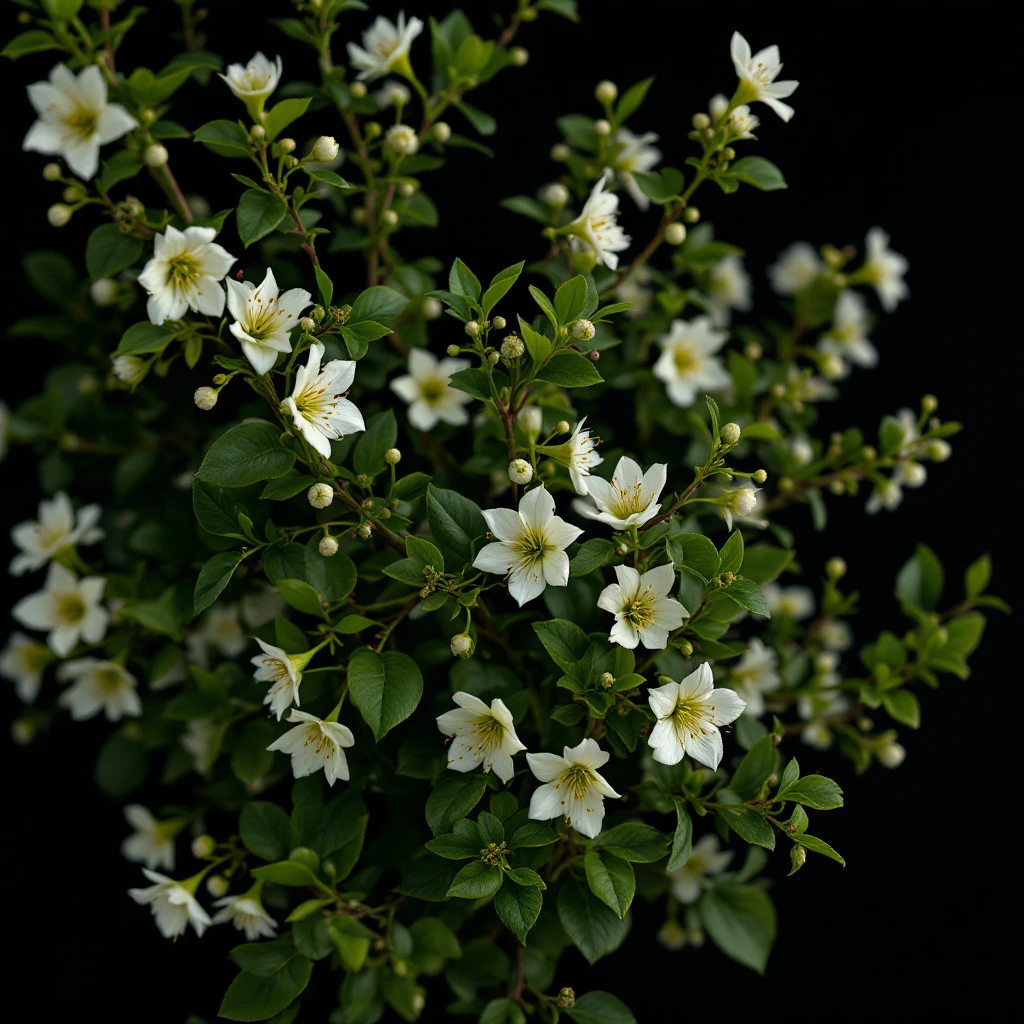
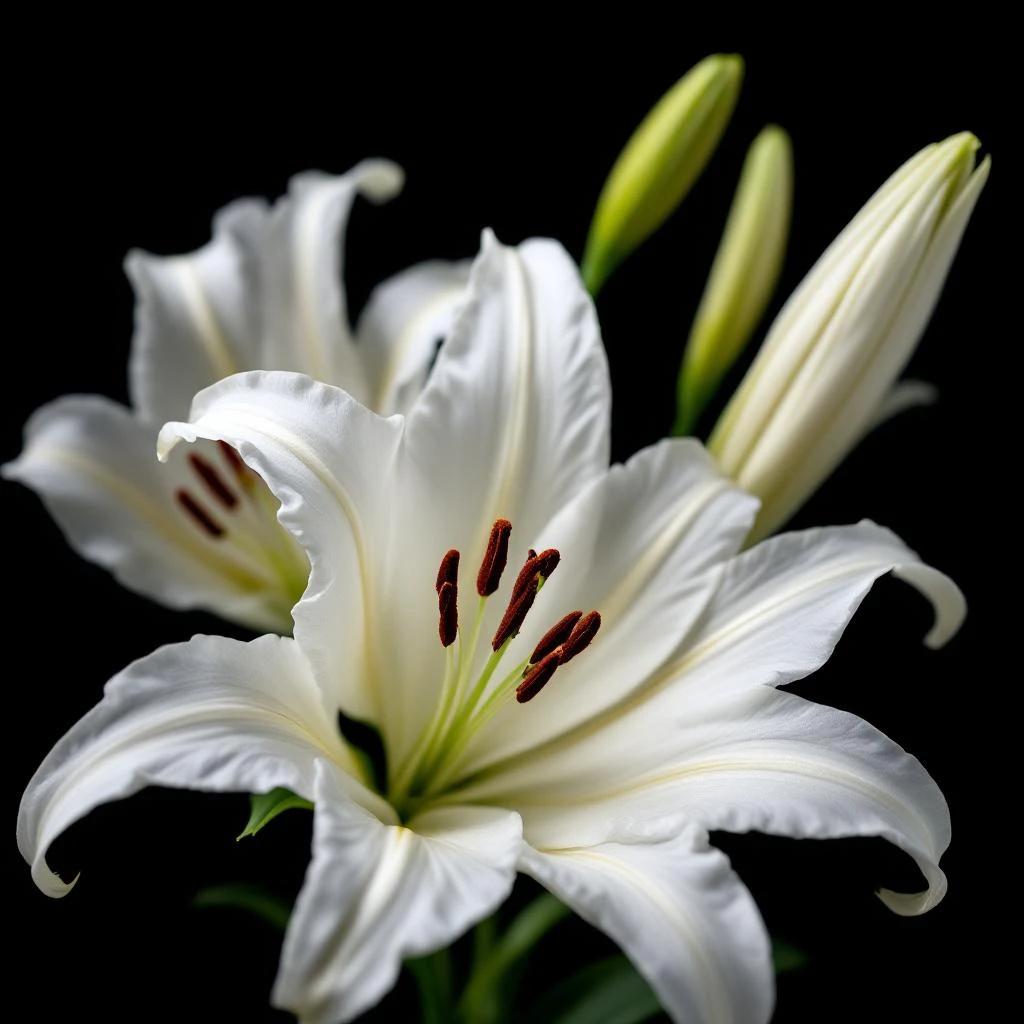
Privet absolute, derived from the tiny white flowers of the Ligustrum shrub, delivers an intensely sweet, almost indolic floralcy with a honeyed edge. In perfumery it functions as a supporting heart-note, lending depth and naturalism to white floral compositions where it rounds sharper floral elements.
Character
How it smells
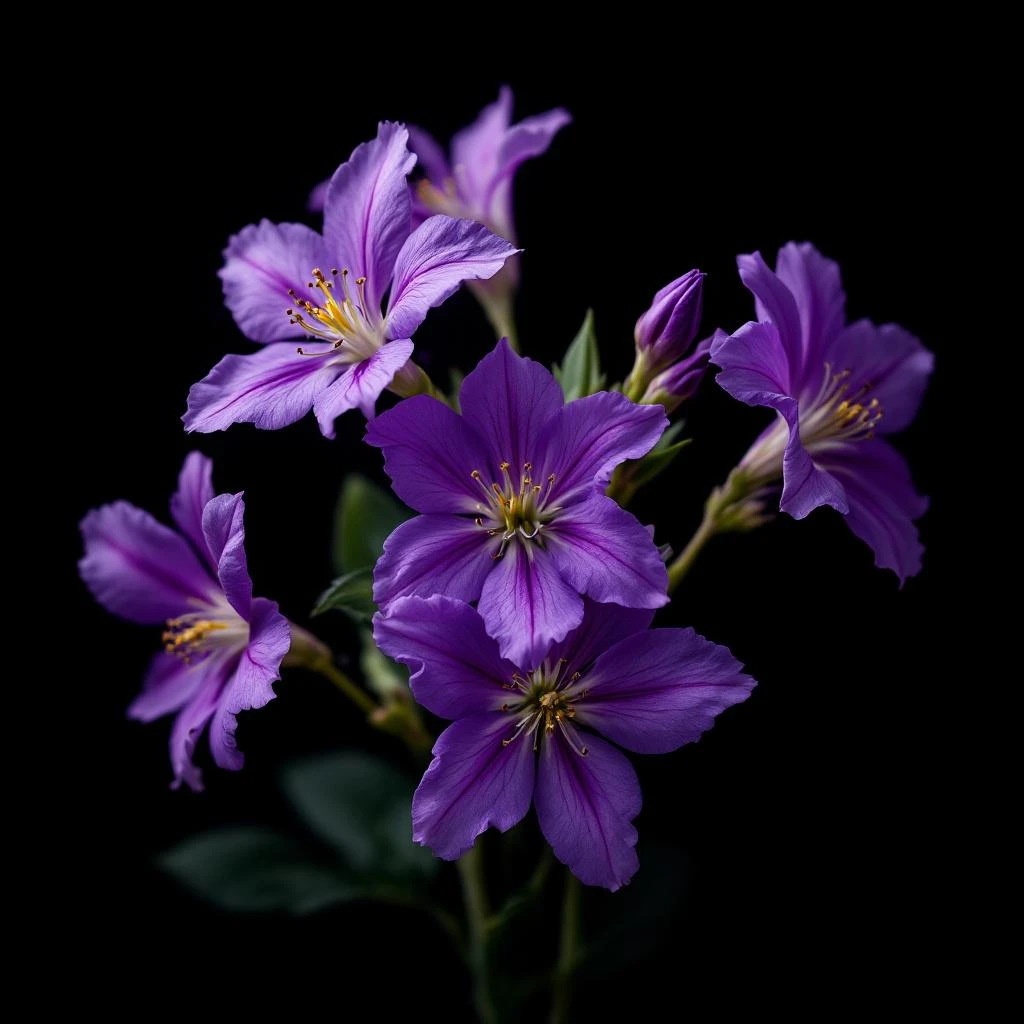
Honeyed white blooms from an ancient hedgerow shrub, rarely captured, deeply cherished.
Privet hedges were planted around medieval monastery gardens not for their flowers but because they grew so densely they acted as natural walls, accidentally enveloping entire cloisters in their evening scent.






Origin
France
Privet has been a fixture of European hedgerows for centuries, so ubiquitous it became synonymous with countryside boundaries and estate walls. The plant's powerful evening fragrance, released most strongly after dusk, earned it a place in the gardens of old estates long before perfumers took notice.
While not documented in classical antiquity to the degree of rose or jasmine, herbalists of the 16th and 17th centuries noted its flowers for their heady sweetness. In modern perfumery, privet occupies an almost cult status among naturalists: a true country scent that most people have encountered but never identified, now occasionally captured in niche fragrances seeking to translate garden landscapes into wearable form.
Wears it best
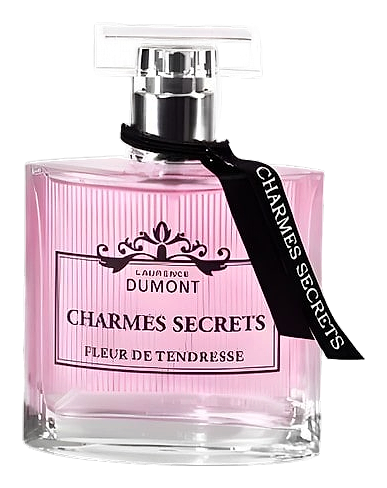
Fragrances featuring Privet
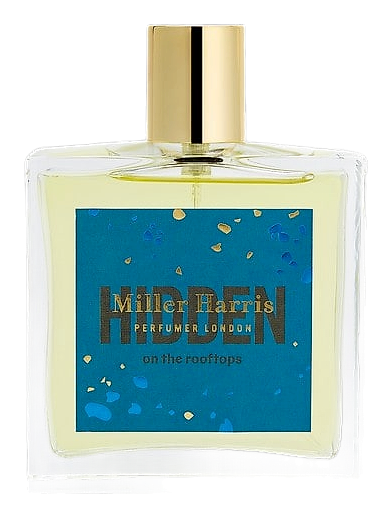
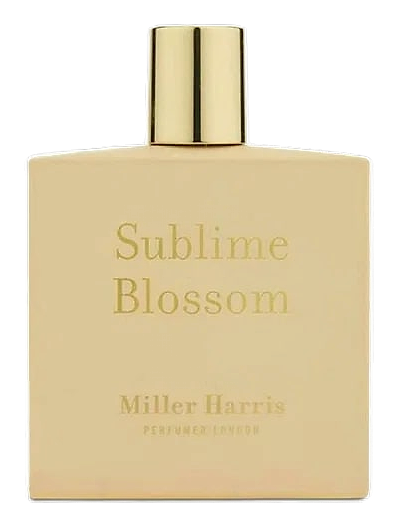
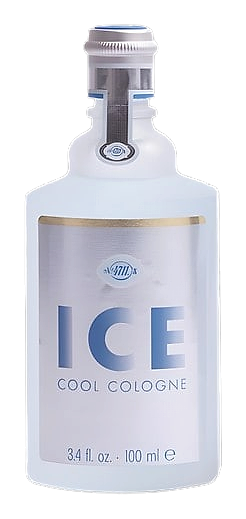
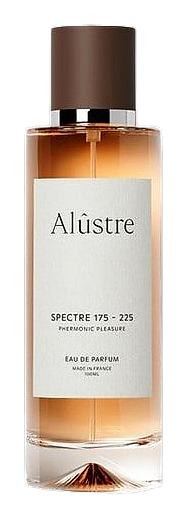
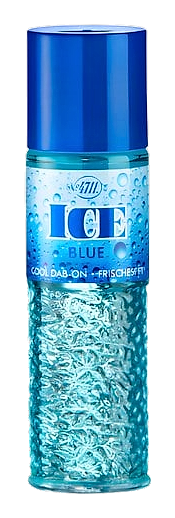
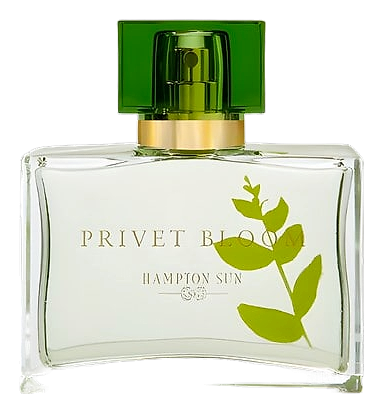
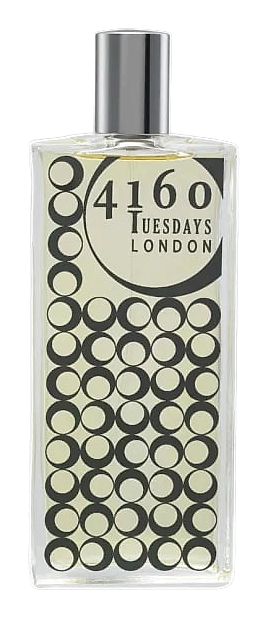
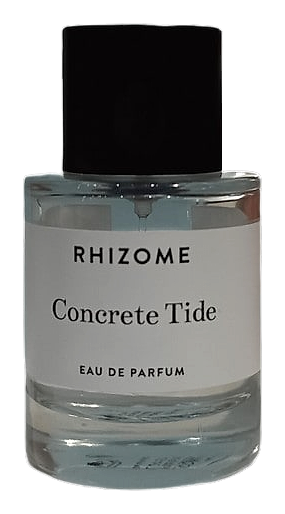

Brands
Brands known for Privet
Good to know
Questions, answered
The essentials on Privet in perfumery: how it smells, where it comes from, and how it behaves on skin.
What does Privet smell like in perfume?
Privet smells intensely sweet and floral with a honeyed quality, accented by a subtle indolic or animalic depth. It is often described as garden-fresh and heady, lending a naturalistic white floral character to compositions. The scent is stronger in the evening, which is why it is sometimes called the night-garden's flower.
Why is Privet used in perfumery?
Privet is used for its rare naturalistic floralcy that reproduces the scent of an English country garden. It functions as a heart-note component, adding richness and complexity to white floral blends. Perfumery interest is limited by extremely small production volumes, making it a sought-after niche ingredient rather than a mainstream material.
Is Privet in perfume natural or synthetic?
Natural privet absolute, extracted from flowers via solvent extraction, is the primary form used in fine perfumery. Synthetic alternatives exist as captive molecules that approximate its sweet floral profile, but they lack the full complexity of the natural material. Availability from natural suppliers is very limited and seasonal.
What famous perfumes contain Privet?
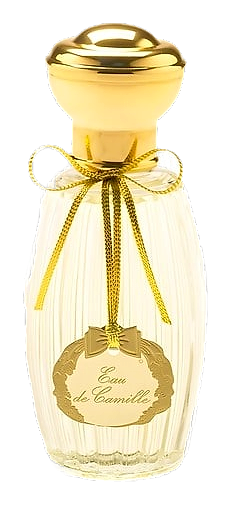
Privet appears primarily in niche and natural perfume houses rather than mass-market releases. It has been documented in compositions from Serge Lutens and a small number of artisan perfumers who emphasize botanical ingredients. Exact formulations are rarely disclosed, so documented cases remain limited.
Is Privet a top note, heart note, or base note?
Privet functions primarily as a heart or middle note in perfumery. Its floralcy projects clearly in the first minutes of application but develops and deepens as the fragrance settles. In certain bases it can contribute body to a dry-down, though it is not traditionally classified as a base note material.
What notes pair well with Privet in perfume?
Privet pairs naturally with other white florals such as jasmine, gardenia, and tuberose. Green accords including galbanum and violet leaf complement its garden-fresh character. For warmth, it blends with sandalwood and vanilla. It is particularly effective alongside other naturals like orange flower and mimosa.
How is Privet extracted?
Privet flowers are processed using solvent extraction to produce an absolute. Freshly harvested flowers are washed in a solvent, which pulls out the aromatic compounds and yields a concrete, then an absolute is obtained through further washing. Steam distillation is not used because the heat damages the delicate aromatic molecules responsible for privet's characteristic scent.
Is Privet used in men's or women's fragrances?
Privet absolute is gender-neutral and appears in both women's and men's fragrances depending on the composition. It is more commonly found in feminine-leaning florals, but artisan perfumers incorporate it into masculine green and chypre structures where its garden scent adds natural depth. The ingredient itself carries no gender signature.