
The Story
Why it exists.
The beginning
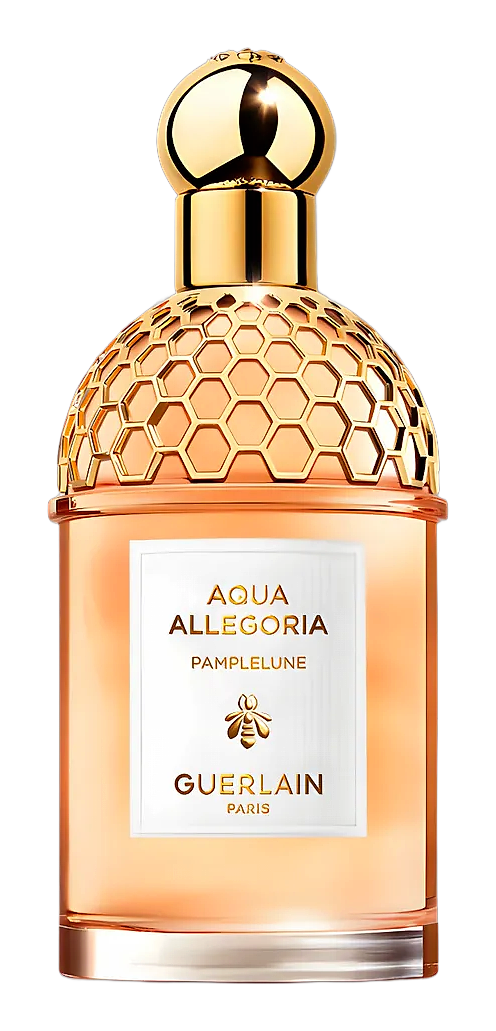
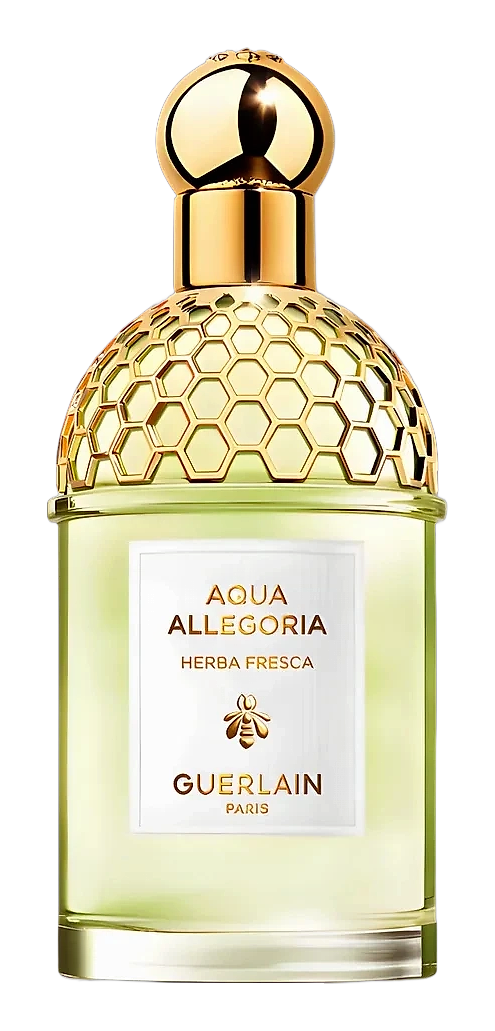
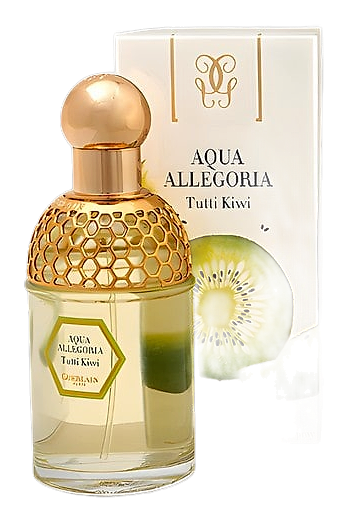
Jean-Paul Guerlain created Tutti Kiwi in 2005 as part of the Aqua Allegoria collection, which he imagined as a fragrant fantasy of gardens, each one built around a different botanical star. The idea was simple: a walk through a garden, with the garden's character defined by what grew there. Tutti Kiwi chose the tropics. The name itself is an act of cheerful simplicity. No metaphor, no circumlocution. Just kiwi, with the Italian tutu suggesting something playful, even a little ridiculous. That directness was the point. A Parisian luxury house naming a fragrance after a fuzzy brown fruit was, in 2005, a small act of defiance against the gravity of refinement. Guerlain pulled it off by doing what Guerlain does: grounding the whimsy in craft. Sandalwood and bourbon vanilla form the foundation, the same materials that anchor fragrances three times the price. The playfulness is in the top and heart. The structure is pure Guerlain.
Kiwi is the conceit here, and it's a brave one. The fruit has a faint, watery green smell that doesn't announce itself the way bergamot or rose does. Building a fragrance around it requires construction, layering fresh green notes with citrus and a whisper of white floral to approximate that translucent, slightly tart quality. Without the right base, it risks smelling like nothing at all. The geranium does the quiet work. Its herbal-floral character keeps the tropical sweetness from tipping into candy, adding a green edge that grounds the kiwi and gives it weight. False jasmine contributes a clean, delicate floral note that supports rather than competes.
The evolution
The opening announces itself immediately. Rhubarb's tart, almost vegetable edge cuts through first, followed quickly by lemon and mandarin orange. It's bright, a little sharp, the smell of someone who just walked in from the sun. This phase lasts about an hour, maybe less on dry skin. The kiwi emerges in the heart, arriving with that characteristic translucent quality. Not juicy in the way mango or peach can be juicy, but watery, green, slightly tart. Geranium keeps it from floating away, adding a balancing herbal note that reads as garden-fresh rather than sweet. False jasmine contributes a clean white floral layer. This is the fragrance's most distinctive phase, the part that justifies the name. The drydown is Guerlain territory. Sandalwood and bourbon vanilla warm the composition, creating a soft, close halo that lingers for several hours. On some skin, the vanilla reads as slightly sweet; on others, it's cream without sugar. Either way, the base holds. The wear is moderate but honest for an eau de toilette in this style.
Cultural impact
Tutti Kiwi represents the playful end of a serious house. Guerlain's core identity is Parisian refinement, but the Aqua Allegoria line gives that identity room to breathe. Tutti Kiwi leans into the whimsical, naming itself after a fuzzy brown fruit and building an entire fragrance around its fresh, tropical character. It's the fragrance Guerlain makes when it decides not to take itself entirely seriously.
The House
GuerlainGuerlain stands as one of the oldest and most revered perfume houses in the world, founded in Paris in 1828 by Pierre-François-Pascal Guerlain. What began as a boutique on rue de Rivoli quickly became the preferred destination for Parisian society, attracting dandies and elegant women who sought custom-crafted fragrances. The house's influence grew to such heights that Guerlain earned the title of Official Perfumer to Napoleon III after presenting Eau de Cologne Impériale to Empress Eugénie as a wedding gift in 1853. This royal patronage marked the beginning of Guerlain's enduring association with European aristocracy, as the house went on to create fragrances for Queen Victoria and Queen Isabella II of Spain. Today, under the creative direction of Thierry Wasser, the fifth-generation perfumer, Guerlain continues to shape the landscape of fine fragrance with a portfolio spanning over 1,100 olfactory creations. The house remains headquartered at its legendary Champs-Élysées mansion, a historic monument that anchors Guerlain's position at the intersection of heritage and contemporary luxury.
The Creator
Jean-Paul GuerlainJean-Paul Guerlain's style resists easy categorization, though richness and depth define nearly every composition. He favored opulent oriental structures, warm woods and resins, and florals treated with almost sculptural precision.