The Story
Why it exists.
The beginning
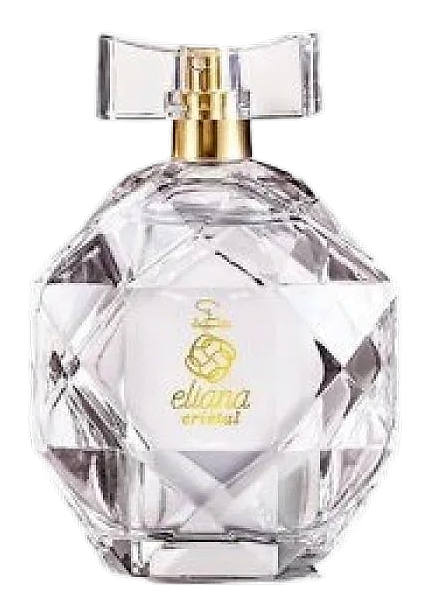
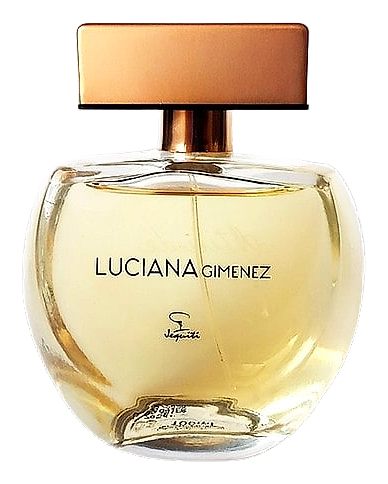
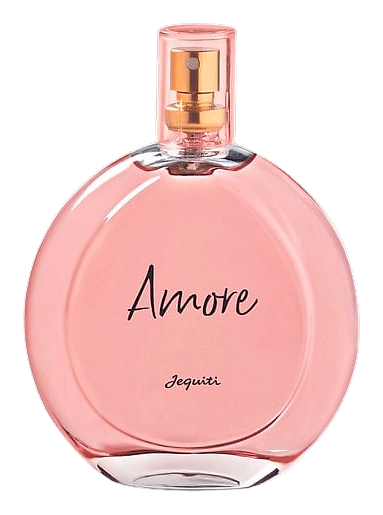
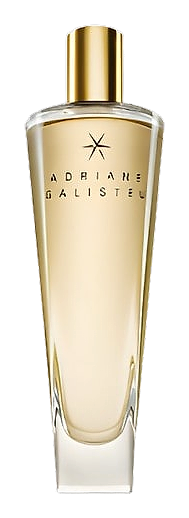
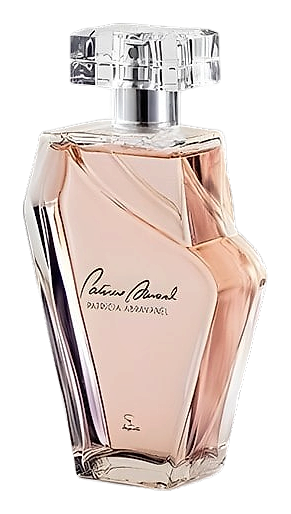
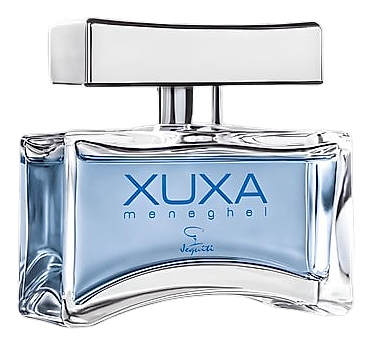
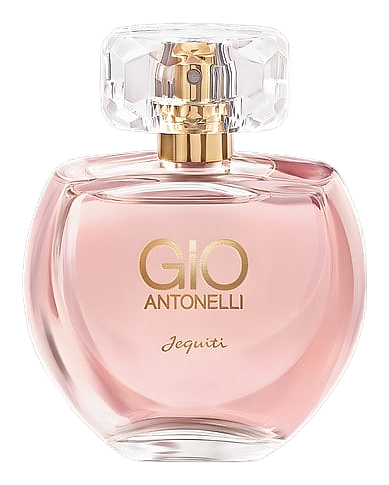
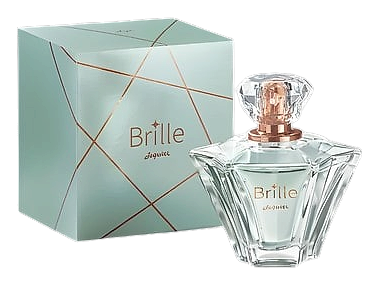
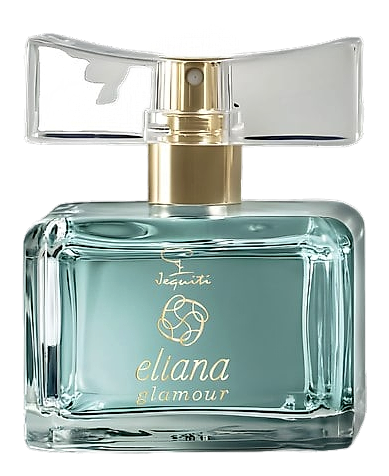
There's a voice behind this bottle, a Brazilian artist whose songs carry the ache of Minas Gerais across every radio in the country. When the collaboration with Jequiti came together, the result landed on shelves as a romantic, sunlit, unmistakably Brazilian scent. A cultural moment fans already felt in their bones. The Brazilian fragrance house brought in Leandro Petit to compose the juice. Petit built a fruity-floral architecture around berries and tropical fruits, a sweetness that doesn't apologize for itself. The opening hits with green, juicy fruit underlaid by mandarin brightness and that snap of mint, almost like biting into something cold on a hot afternoon. Sweet, yes, but the green keeps pulling it back from sticky.
What makes this pyramid sing isn't the individual notes. It's the structural choice to front-load the composition with green, juicy fruit and let the florals arrive as texture rather than spectacle. The mint up top is the unusual move. Most fruity florals skip it because it can tip a fragrance into toothpaste territory. Here it reads as crushed leaves under the fruit, a green stem that keeps the sweetness tethered. The heart layers peony, rose, violet, and jasmine, which sounds like a florist's invoice but functions differently in wear.
The evolution
The first thirty minutes belong to the fruit. Blackberry and passion fruit arrive loud, almost edible, underlaid by mandarin brightness and that snap of mint. It smells like biting into something cold on a hot afternoon. Sweet, yes, but the green keeps pulling it back from sticky. Around the ninety-minute mark, the fruit steps aside without disappearing. Peony and rose take the wheel, and the composition shifts from a fruit bowl to a bouquet. The violet adds a powdery softness that softens the transition, while jasmine flickers underneath like heat shimmer off pavement. The florals here aren't dense or indolic. They read light, almost translucent, which keeps the fragrance in daytime territory. By hour three, the base has settled in. Tonka bean arrives first, bringing its almond-vanilla warmth, then sandalwood adds a creamy woodiness that feels like clean skin.
Cultural impact
A fragrance tied to a Brazilian artist's name lands inside a specific cultural lane. Fans buy into a feeling they already associate with the voice behind it. The scent itself reads as casual and daytime, the perfume equivalent of a weekend afternoon rather than a formal evening. Within Jequiti's roster, it sits firmly in the youthful, fruity-floral category the brand revisits often. The cultural weight comes less from the juice and more from the name on the bottle, which is exactly how Jequiti's celebrity-fragrance model works.
The House
JequitiJequiti is a Brazilian cosmetics and fragrance house that reaches customers through a direct‑sales network. Since its launch in 1999 the brand has offered a wide range of scented products, from everyday body sprays to more elaborate eau de parfums such as Eu Sinto (2012) and Fléus Orchidée (2024). Its catalogue mixes bright, youthful compositions with scents that reference Brazil’s coastal and tropical landscapes. Jequiti’s presence spans more than two decades, and the company continues to introduce new releases each year while keeping price points accessible for a broad audience.
The Creator
Leandro PetitLeandro favors transparent structures that let a single note breathe. He often builds around lily of the valley, a flower that resists extraction, using synthetic analogues to evoke its green heart.