The Story
Why it exists.
The beginning
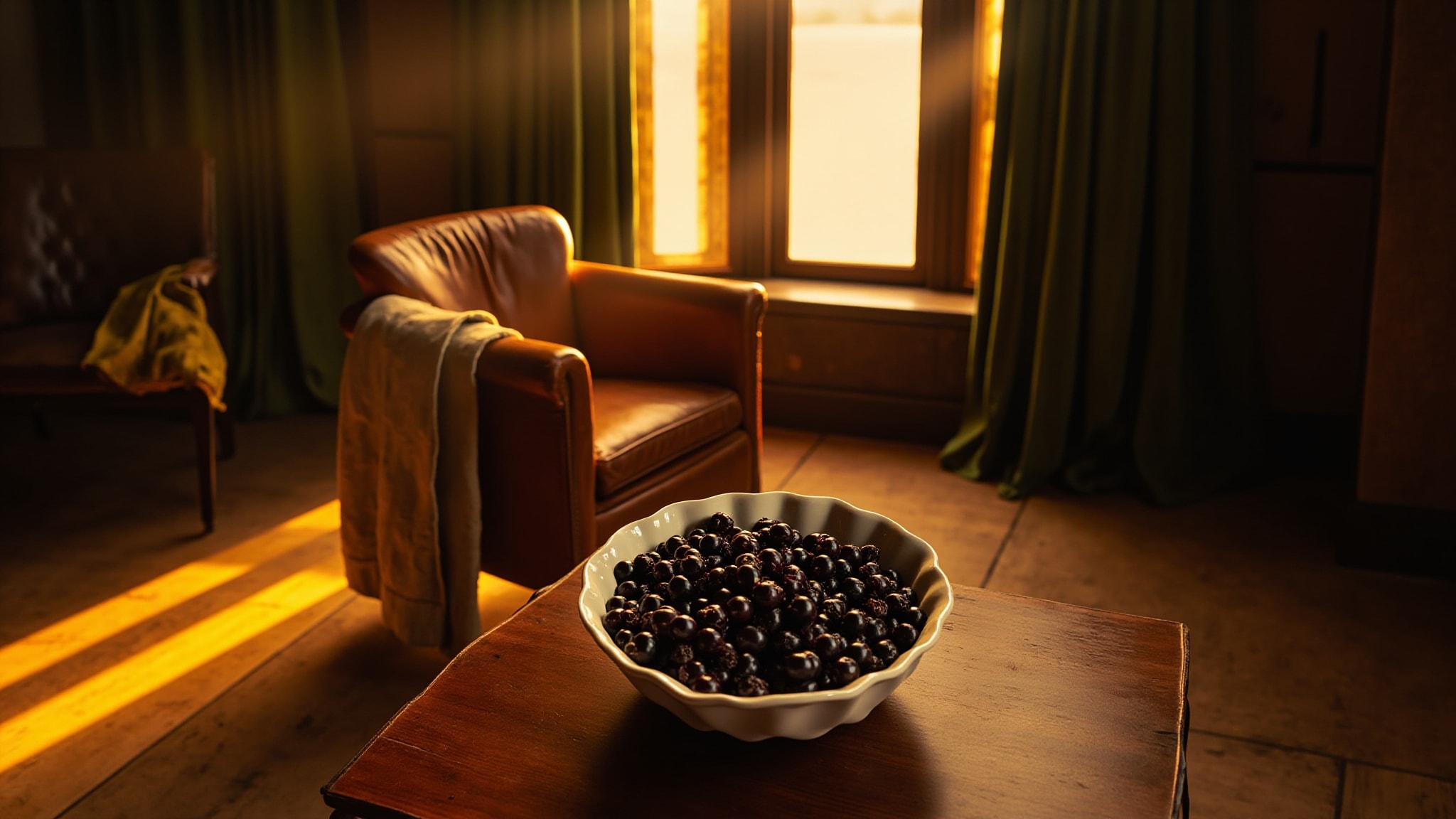
Jean Louis Vermeil founded his Paris house in 1983 with a philosophy rooted in discretion. Rather than chasing trends, he trusted raw materials to communicate what branding could not. Maïssa proved the concept commercially, and Casaque offered an aromatic counterpoint. The house spent years listening to what materials wanted to say, and Vermeil continues that tradition by starting with blackcurrant, a raw material with enough complexity to justify attention without embellishment. The floral heart and oakmoss drydown follow naturally from this philosophy, presenting materials as they are rather than hiding them behind marketing.
The choice of blackcurrant in the opening reflects a house philosophy that values materials with inherent narrative depth. Blackcurrant smells different depending on concentration and context, and Jean Louis Vermeil clearly intended to let that ambiguity play. The floral heart follows as a natural counterbalance: blackcurrant and floral materials rarely coexist peacefully, so Vermeil navigates the tension by making the florals dense and the blackcurrant bright but brief. The oakmoss base completes the composition by returning to earthiness, echoing the galbanum from the opening but with far more weight and permanence.
The evolution
Vermeil begins its arc with blackcurrant, a note that carries both tartness and a deep, wine-like quality in the Jean Louis Vermeil tradition of letting materials speak. Bergamot and mandarin orange brighten the opening without overwhelming the blackcurrant, and galbanum introduces a green, almost austere note that grounds the fruitiness. As the fragrance evolves, the green notes recede and the floral heart emerges, led by coriander bridging the top and middle stages. The heart builds through ylang-ylang and rose creating warmth, while geranium and carnation add complexity, and violet leaf keeps the florals from becoming static. This progression mirrors the Jean Louis Vermeil commitment to restraint: nothing arrives abruptly, nothing dominates uninvited. The drydown shifts focus entirely to structure. Oakmoss provides the earthiness expected from a chypre base, cedarwood and vetiver build woody depth, and musk smooths the transition from heart to base.
Cultural impact
Vermeil arrived at a time when the brand was defining its identity beyond the early 1980s foundations. Its green‑spicy profile resonated with a generation seeking understated elegance rather than overt flamboyance, influencing subsequent releases that favored restrained botanical blends. Over the decades it has been cited in niche collector circles as a benchmark for balanced longevity and subtle projection, shaping how modern perfumers approach the interplay of citrus, galbanum, and warm woods in a single composition. The scent’s quiet confidence helped cement the house’s reputation for refined, timeless creations that avoid fleeting trends.