The Story
Why it exists.
The beginning
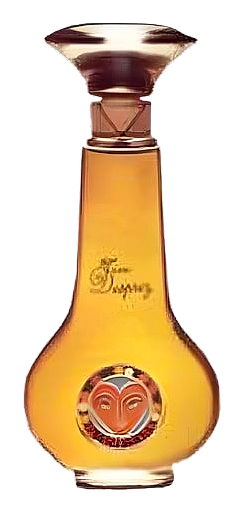
Jardanel arrived in 1917, among Jean Desprez's earliest works before he opened his own house in Paris in 1928. Named with an exotic flourish that suggested far-off gardens and theatrical glamour, it embodied the kind of lush, confident femininity that the interwar years were beginning to celebrate. The composition, aldehydes lifted bright, florals cascading thick, balsam-rich base anchoring everything, marked Desprez's intent from the start: perfume as narrative, worn by someone who understood what they were carrying. Multiple reformulations followed, in 1938, 1944, and 1973, each adjusting the balance without losing the structure.
The note architecture here is genuinely unusual. A base stacked with both Tolu Balsam and Peru Balsam, sticky, sweet, resinous, is expensive and demanding to work with. The civet adds the animalic depth that defines the chypre genre, the kind that polarizes and then becomes iconic once you understand it. Honey bridges the heart and base, threading warmth through the florals rather than letting them float. Patchouli appears twice in the pyramid, once in the heart, once in the base, giving the composition a green-earthy continuity that most chypres lack. What you're left with is a fragrance that smells like a complete world, not a sequence of notes.
The evolution
The aldehydes hit first, waxy, bright, almost candied, before the citrus oils (bergamot, orange, neroli) add their crispness. Fruity notes flicker underneath, giving the opening a sweetness that doesn't announce itself. Then the florals arrive. Slowly, one by one. Jasmine first, then rose and ylang-ylang, softened by lily of the valley and the odd orchid. The myrrh and honey enter the conversation around the thirty-minute mark, adding a darker, stickier warmth that turns the florals towards something more serious. Carnation brings spice. The drydown belongs to the balsams, Tolu and Peru, sweet and sticky and close to the skin. Civet emerges as the warmth cools, leather and oakmoss grounding everything into that classic chypre finish. Vanilla and tonka bean soften the edges. The base lingers for hours as a warm, powdery skin scent that you find on your collar the next morning.
Cultural impact
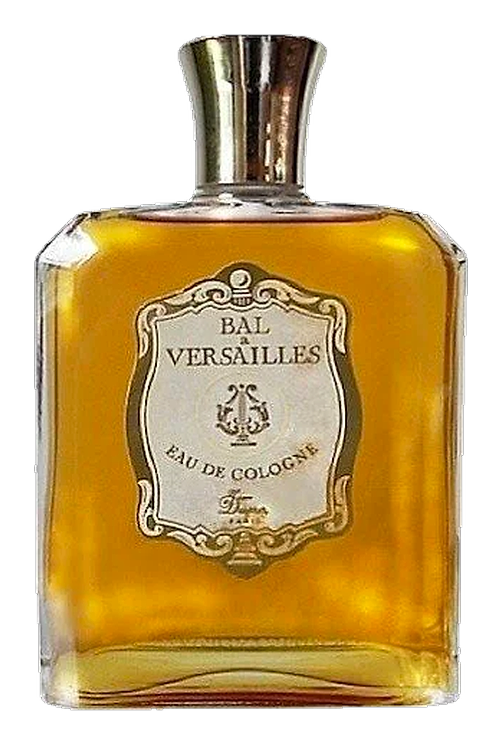
Jardanel exists in the rarefied company of pre-war chypres that collectors seek out deliberately, not because they saw it on a list, but because they read the story first. It's not the house's most famous work (Bal à Versailles holds that position), but among those who know, Jardanel's aldehydic warmth and balsam depth have made it a quiet grail. The reformulation history, 1938, 1944, 1973, adds a layer of detective work that vintage hunters enjoy. Finding a well-preserved bottle means understanding how the fragrance changed across those dates, which balsam ratios held, which florals softened. It's fragrance as object of study, worn by someone who reads the ledger before they buy.