The Story
Why it exists.
The beginning
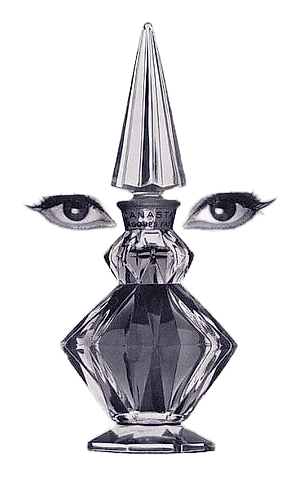
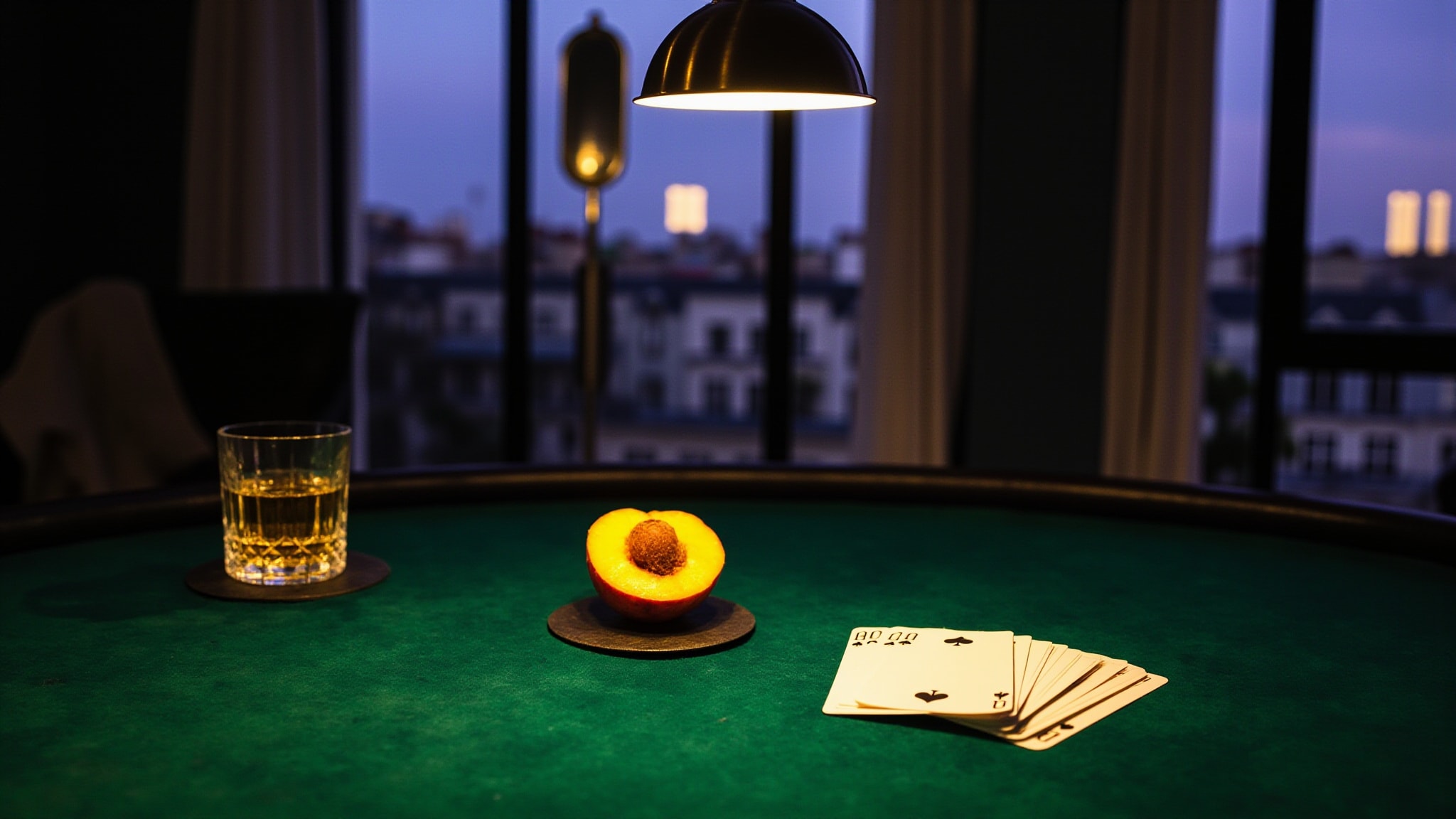
Canasta arrived in 1950, the same year that the house was building its boldest, most theatrical couture collections. The card game was everywhere that season, played in salons and on Riviera terraces, and the name carried exactly the kind of languid confidence the house wanted to bottle. A chypre for women who didn't wait to be dealt into the game. Fruity where convention expected floral. Bold where the era expected restraint. Discontinued decades ago, it's now a ghost from Fath's golden window, the years before his death in 1954 cut the brand's momentum short. Canasta arrived in 1950.
The composition is a chypre through and through, built on that oakmoss-labdanum spine that defined the genre's mid-century golden age. What makes Canasta distinctive is how the peach and bergamot at the top refuse to behave as a simple fruity overture. They collaborate with the labdanum and herbal heart instead of competing with it, creating something warmer and more resinous than a typical fruit-chypre. The jasmine-violet-orris heart adds a powdery sophistication, while the chypre base keeps the whole thing tethered to earth.
The evolution
The first 15 minutes are all bergamot and peach, bright and almost playful, the kind of opening that makes you lean in. Then the herbs and labdanum arrive, and the temperature shifts. The fruit doesn't disappear; it deepens, taking on the warmth of the resins beneath it. By the two-hour mark the jasmine and orris have settled into a soft, powdery heart, and the chypre base is doing its work underneath. The drydown is where this fragrance earns its reputation. Oakmoss and whatever mossy, earthy base notes the original formula carried linger on skin for hours after the fruit has faded. It wears close rather than wide, a scent trail for the wearer more than the room. The opening registers as cool and almost candied, the bergamot doing its bright, slightly bitter lift before the peach rounds everything out into something riper, almost liqueur-like in its warmth.
Cultural impact
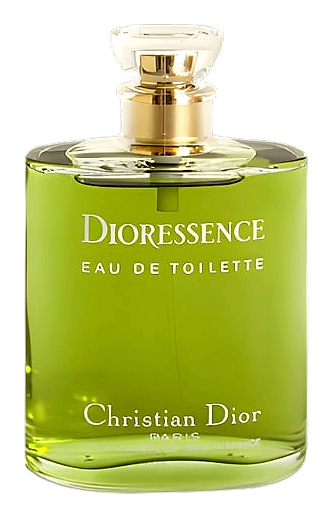
Canasta belongs to the golden age of chypre perfumery, sitting alongside contemporaries like Rochas Femme and Dior Dioressence, fragrances that defined what a confident, structured women's scent could be. Its discontinuation makes it a ghost of that era, sought by vintage collectors who remember it and fragrance historians tracing the chypre tradition. The peach-and-oakmoss combination was a confident choice for 1950, sweet enough to be modern but grounded enough to be serious.