Chypre Base
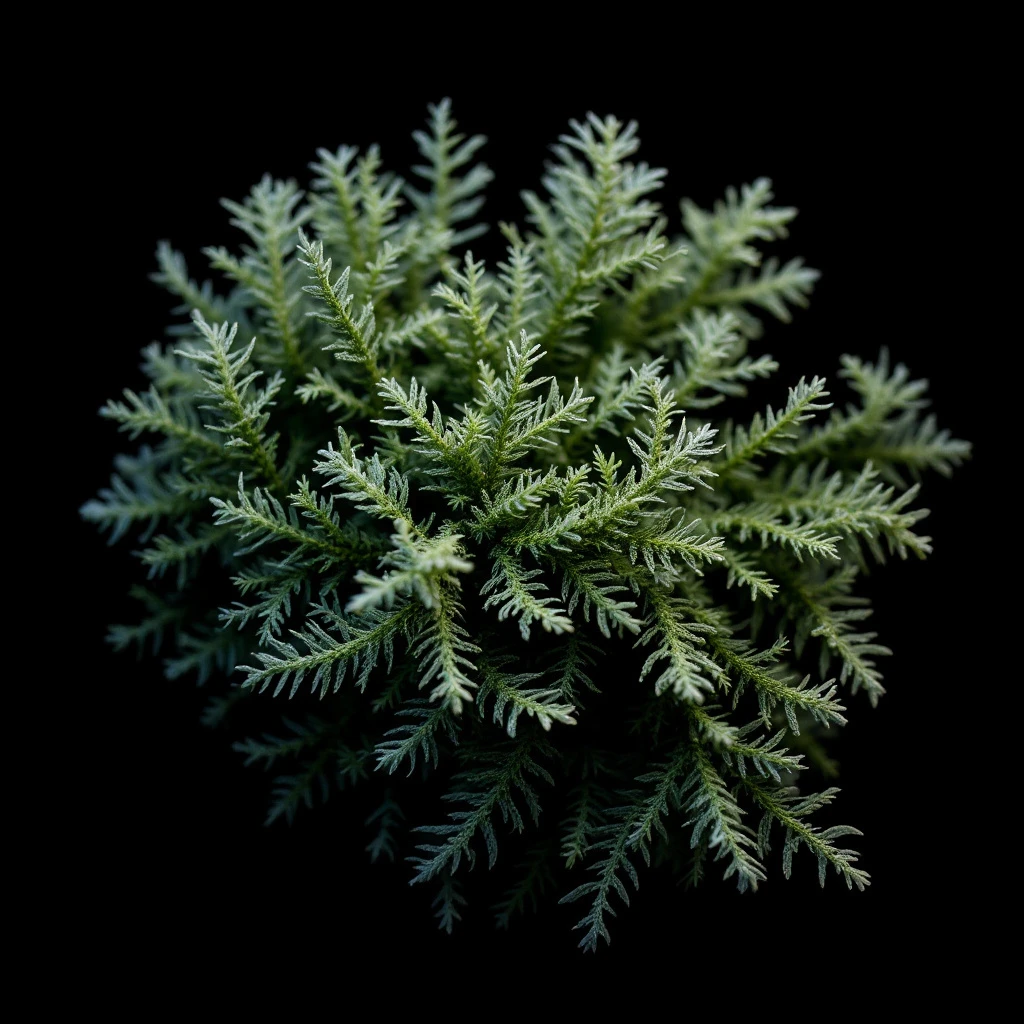
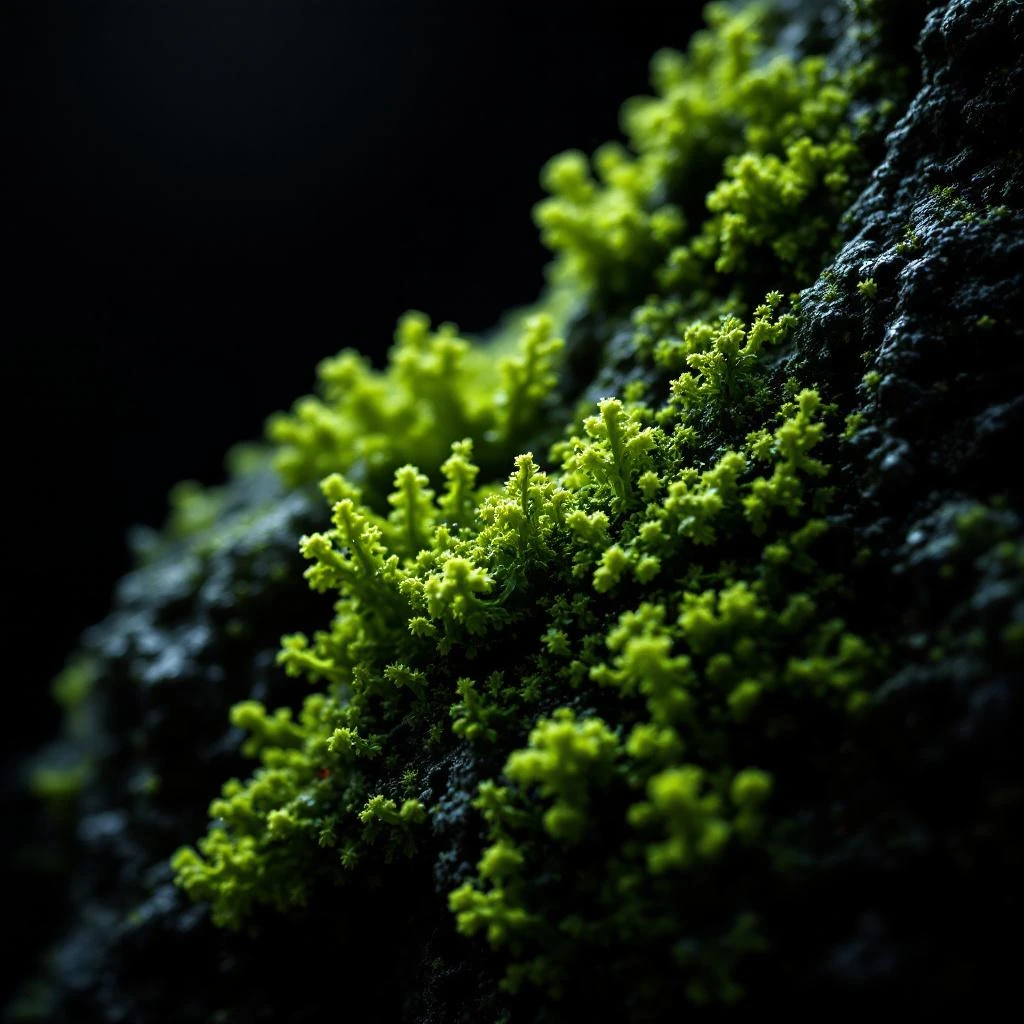
Chypre base anchors a fragrance family built on contrast: a dark, mossy accord of oakmoss, patchouli, and labdanum that gives chypre perfumes their distinctive earthy depth and longevity.
Character
How it smells
The dark, earthy accord that defines a fragrance family.
François Coty's 1917 'Chypre' is credited with establishing the modern formula, but the name traces back centuries to scented waters made on the island of Cyprus.





Origin
France (modern formulation); historical roots in Cyprus
The term chypre (pronounced SHEEP-ruh) refers to the island of Cyprus, a historic crossroads of the Mediterranean perfume trade. For centuries, Cypriot perfumers blended local labdanum resin with imported materials from Egypt and the Mediterranean, producing scented products exported across Europe.
In 1857, perfumer Septimus Piesse referenced an 'old-fashioned' chypre formula based on ambergris. The modern chypre as a defined olfactory category took shape in 1917 when François Coty released his perfume 'Chypre,' setting the structural template: a bright citrus top, a floral heart, and a dark mossy-lactonic base.
Guerlain's 1919 'Mitsouko' and later classics cemented the family. In 2001, IFRA restricted natural oakmoss, forcing reformulation and inspiring the 'modern chypre' movement that leans on synthetic alternatives and elevated patchouli to preserve the accord's signature contrast.
Wears it best
Fragrances featuring Chypre Base
Brands
Brands known for Chypre Base
Good to know
Questions, answered
The essentials on Chypre Base in perfumery: how it smells, where it comes from, and how it behaves on skin.
What is a chypre base in perfumery?
A chypre base is the foundational accord that defines the chypre fragrance family, traditionally built from oakmoss, labdanum, and patchouli. This dark, earthy combination creates the distinctive mossy warmth that sits beneath the fresher citrus top notes.
What does a chypre base smell like?
It smells earthy, mossy, and slightly sweet with damp forest-floor depth from oakmoss, warm resinous richness from labdanum, and dark herbal bitterness from patchouli. The accord creates a contrasting counterpoint to bright citrus top notes.
Why was natural oakmoss restricted in perfumes?
In 2001, IFRA restricted natural oakmoss absolute due to sensitization concerns. The decision prompted widespread reformulation and the rise of synthetic alternatives like Veramoss and Evernyl to preserve chypre structures.
Where does the name chypre come from?
The name derives from the island of Cyprus, historically a hub of Mediterranean perfumery where local labdanum resin was blended with imported ingredients. François Coty's 1917 'Chypre' formalized the modern meaning of the term.
Is chypre still used in modern perfumery?
Yes. Chypre remains an active fragrance family, though modern versions often use synthetic oakmoss substitutes to comply with IFRA regulations. Contemporary chypres lean more heavily on patchouli and labdanum for the signature dark base.
What is the difference between chypre and fougère?
Chypre bases center on oakmoss, labdanum, and patchouli for a mossy-earthy profile, while fougère bases rely on lavender, coumarin, and oakmoss for a herbal-aromatic character. They share oakmoss as a common element but diverge sharply in overall mood.
What is labdanum and where does it come from?
Labdanum is a sticky golden resin harvested from the Cistus ladanifer shrub native to Mediterranean scrublands. Traditionally, it was combed from the fleece of sheep that brushed against the plants, though modern production relies on steam or solvent extraction.
What is a classic example of a chypre perfume?
Guerlain's Mitsouko (1919) is the archetype of the chypre family, featuring a peach-laced heart over the signature oakmoss-labdanum-patchouli base. It remains a reference point for the genre more than a century after its release.