The Story
Why it exists.
The beginning
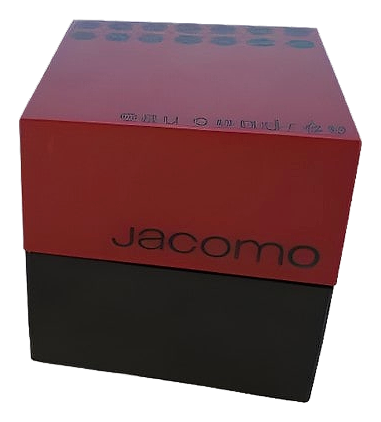
Eau Cendrée arrived in 1970, composed by Jean-Claude Astier for Jacomo, a house whose entry into fragrance creation dates to that same year. The name itself translates loosely to "ash water," a poetic image of something once burning, now cooling into mineral quiet. That tension between fire and residue runs through the entire composition, lending the scent a contemplative gravity from the first spray. There's a stillness at its core, the olfactory equivalent of watching smoke thin over a hearth that has just been put out. The juice itself reads as cool and ashen in tone, with a watery transparency that gives the smoky-mineral impression its name suggests. It is a fragrance built around contrast: the warmth of something smoldering against the cold calm of what remains afterward.
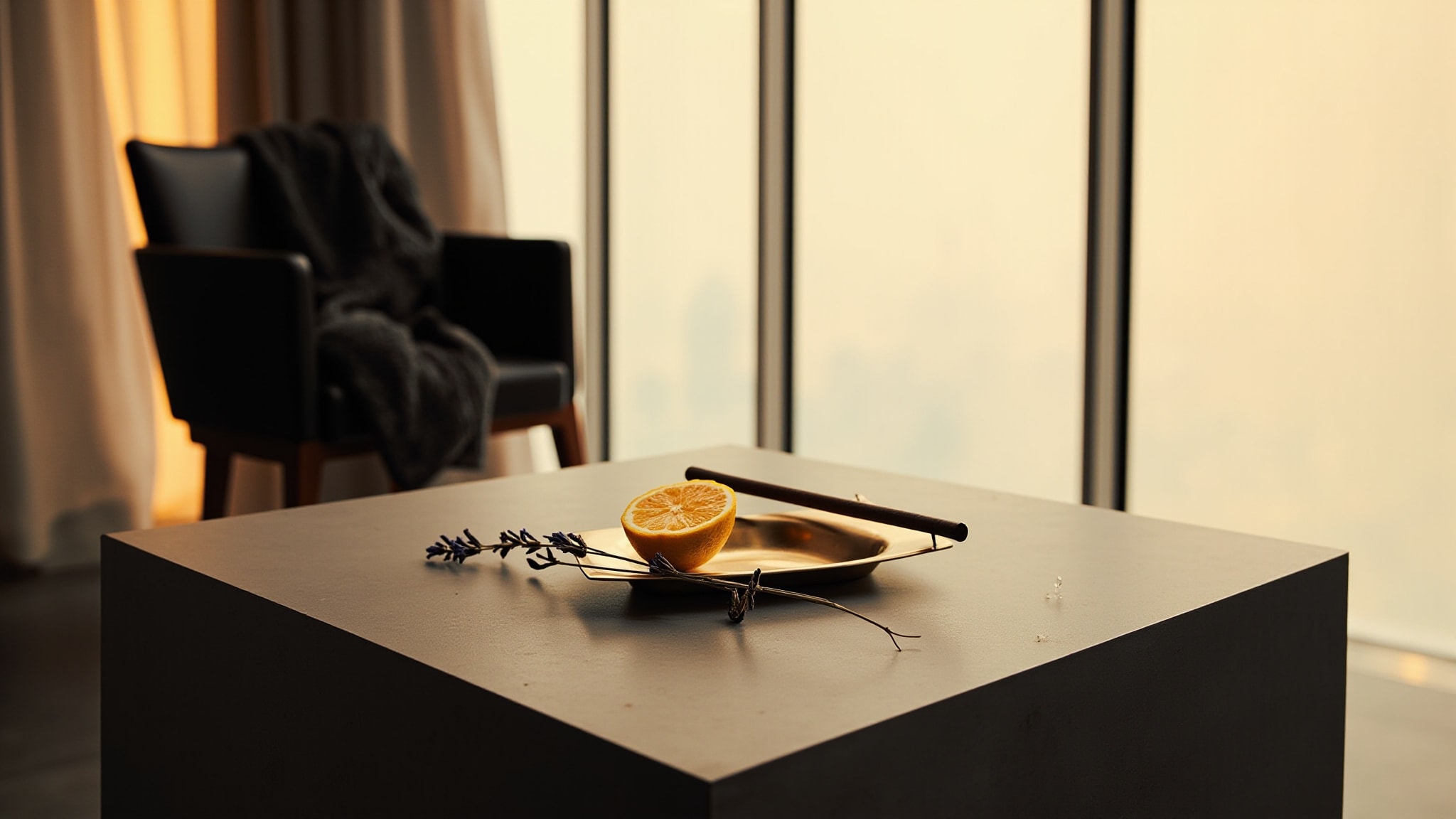
Astier's structure unfolds in clear, deliberate stages. The top pairs lemon, bergamot, petitgrain, and coriander spice with the cool herbal clarity of lavender, creating an opening that is both crisp and slightly peppery at the edges. The lavender reads clean and almost soapy in its brightness, while the petitgrain lends a green, leafy bitterness underneath. The heart pivots to clary sage, geranium, and carnation, a combination that gives the scent its dusty, slightly clove-tinged character.
The evolution
Eau Cendrée arrived in 1970 with a quiet confidence that has carried it through the decades since. The opening of lemon, bergamot, lavender, petitgrain, and coriander announces itself with a crisp herbal clarity, the citrus elements lifting the lavender rather than competing with it. Soon the heart of clary sage, geranium, and clove-edged carnation takes hold, shifting the composition toward a warmer, spicier register that still retains the green freshness of the top. The carnation's clove-like edge gives the heart its distinctive dusty warmth, a floral that reads more as spice than as sweetness. As hours pass, the base of vetiver, sandalwood, cedar, patchouli, and musk settles into a quiet, skin-hugging close.
Cultural impact
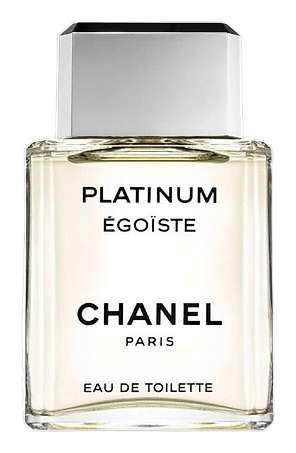
Eau Cendrée shares gravitational pull with contemporaries like Chanel Antaeus and YSL Kouros, both of which explored similar herbaceous-woody territory. The composition sits comfortably in the company of these other dense, aromatic masculine releases from the era, each interpreting the herbal-woody formula in its own way. Where some contemporaries lean heavier on animalic or leather accords, Eau Cendrée maintains a cooler, more mineral profile, closer to its namesake ash water than to any warmth. It's a fragrance that rewards vintage character and patience, the kind of scent that announces nothing and endures quietly on the skin.