

The Story
Why it exists.
The beginning
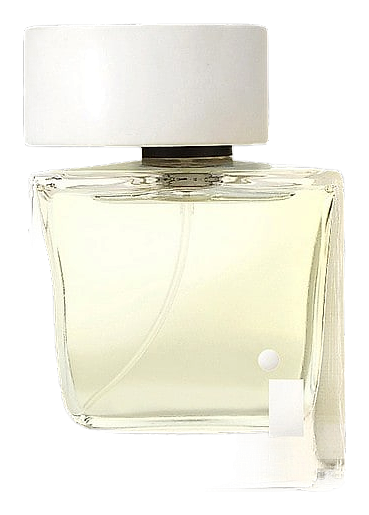
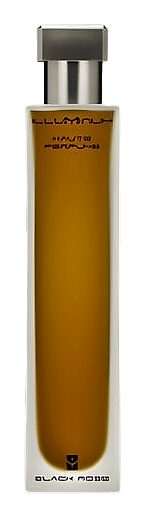
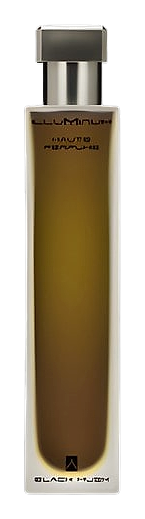
The fragrance builds around a tension: warmth against darkness. Tonka bean and tolu balsam create an almost edible sweetness, but Indonesian patchouli arrives almost immediately, grounding the composition with an earthy bitterness that refuses prettiness. The heart softens through sandalwood and myrrh, but the drydown leans animalic: vanilla and civet building something warm and slightly feral. The name says musk, but the fragrance is really about what happens when musk stops being polite.
Black Musk leans heavily into Indonesian patchouli. The warmth comes from vanilla and tolu balsam, but there's a counterweight throughout: sandalwood and myrrh create complexity, while civet adds depth. The composition works through contrast, sweet and bitter, animalic and soft, present and intimate. It's the kind of fragrance that rewards attention: the individual notes matter less than what they do to each other.
The evolution
The opening announces immediately. Tonka bean and tolu balsam create an almost edible sweetness, but Indonesian patchouli cuts through, dark, earthy, immediate. This phase lasts for some time before the sweetness begins to temper. The middle phase brings sandalwood and myrrh forward, softening the composition into something warmer, more resinous. The civet isn't hiding, it surfaces gradually, adding an animalic current that prevents the sweetness from becoming precious. By the final phase, the drydown settles into musk, vanilla, and civet. The warmth doesn't disappear. It recedes, becoming close and intimate. On fabric, the civet lingers for a long time. On skin, projection fades eventually, but the skin scent carries into the next morning.
Cultural impact
Black Musk occupies an interesting position in the niche landscape: discontinued, polarizing, and distinctly animalic. The fragrance divides opinion, some find the civet overwhelming, others consider it the entire point. What unites wearers is a shared appetite for boldness. This isn't a safe blind buy. It's a deliberate choice, and that deliberation shapes its appeal.
The House
IlluminumIlluminum London is a British niche fragrance house that emerged in 2011 with a focus on high‑concentration eau de parfum. The brand builds its core around three aromatic pillars – oud, Taif rose and Indonesian patchouli – and releases limited‑edition scents that often explore the border between taste and smell. In 2016 the house invited chefs Jackson Boxer, Yuki Gomi and Tom Wolfe to translate culinary ideas into fragrance, resulting in a three‑part series that highlighted the brand’s experimental edge. Today Illuminum offers a compact catalogue of twelve distinct perfumes, each presented in a restrained bottle that lets the scent speak for itself.
The Creator
Michael BoadiBoadi's signature tends toward opulence and clarity in equal measure. His fragrances often feature rich florals, warm resins, and deep woods executed with a clean hand that keeps them from overwhelming.