The Story
Why it exists.
The beginning
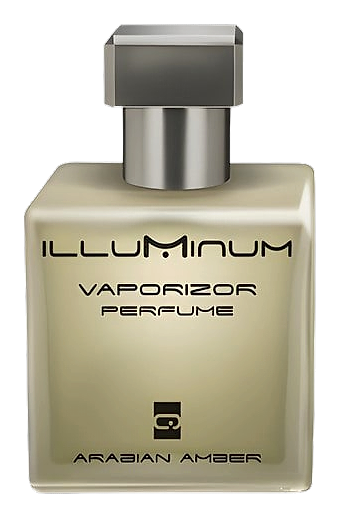
Arabian Amber arrived in 2011 as part of a collection built around an unusual premise: eight notes, four categories, several fragrances spanning different aromatic territories. The perfumer Michael Boadi designed not just the compositions but the packaging and branding itself, a complete house with a clear point of view from the first release. For this fragrance, the intent was warmth without weight, an amber that opens clean, carries spice without aggression, and settles into resin rather than heaviness. The name points to a specific region, but the execution is British in its restraint. Eight ingredients. Each one doing exactly one job. That structural discipline is the quiet argument behind the fragrance.
What separates Arabian Amber from the broader amber genre is the decision to let citrus lead. Egyptian bergamot opens the composition with a fruity, almost confectionary brightness that most amber fragrances bury immediately under resin. Here it holds the stage, clean and tenacious, before the heart notes arrive to deepen the warmth without erasing the freshness. The heart is a study in restraint. Atlas cedar and Mysore sandalwood provide the woody architecture, not the sharp kind, but the warm, slightly waxy wood that reads as intimate rather than structural.
The evolution
Bergamot hits skin first, fruity, immediate, impossible to miss. The Non-Blonde's review called this note tenacious, a quality that defines the opening entirely. Once the citrus begins to recede, the cedar and sandalwood move forward with quiet authority. Black pepper arrives with a soft bite rather than a sharp one. Nutmeg dusts the warmth without asserting itself. Ylang-ylang gives the heart a waxy, slightly tropical quality that keeps the middle hours from feeling too dry. By midday, depending on skin chemistry, the drydown has begun its slow reveal. The frankincense arrives last, later than expected, which catches some wearers off guard. It meets the Indonesian patchouli and opoponax in a finish that sits close to the skin rather than projecting outward. By evening, what remains is warm, powdery amber with a soft resinous trail. Not animalic. Not loud.
Cultural impact
Illuminum London entered the niche fragrance world with a model built around accessible pricing and direct-to-consumer distribution, challenging conventions of luxury perfumery without fanfare. The house's approach of pairing an eight-ingredient composition with premium positioning under a minimalist label represented a vision for what niche perfumery could offer. Arabian Amber demonstrated this philosophy with particular clarity. Its restrained structure, built around warmth that does not crowd or overwhelm, offered something different from the material-dense Orientals that defined much of the market at the time.