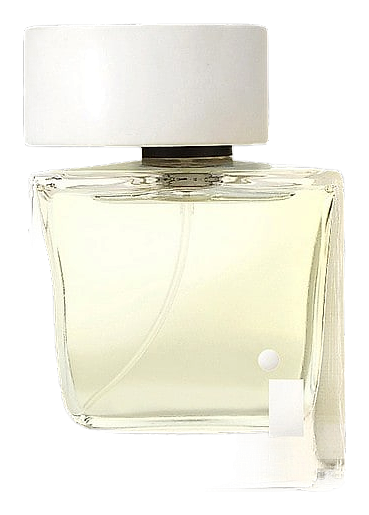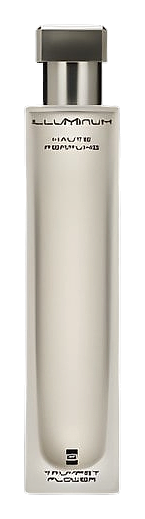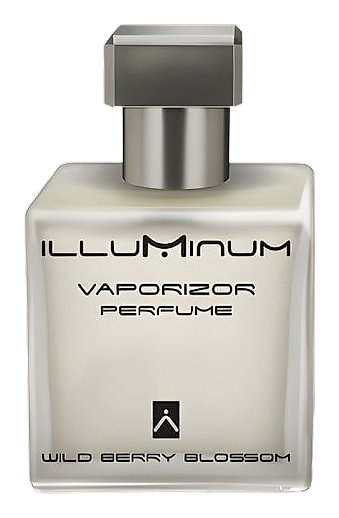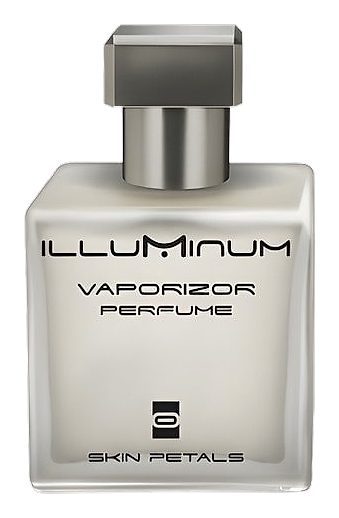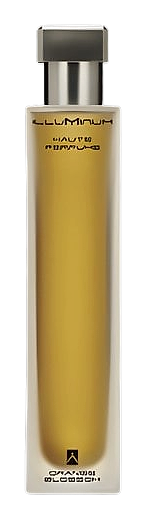

The Story
Why it exists.
The beginning
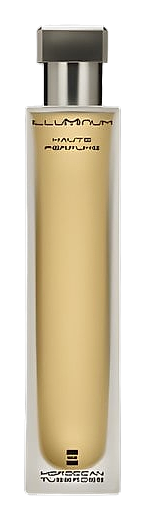
Orange Blossom begins with the blossom itself, the waxy white flowers of the bitter orange tree, a material perfumers have reached for for centuries. But Illuminum never intended a faithful portrait. The brief, as Michael Boadi interpreted it, was to take something familiar and strip it down to something less comfortable. No indolic sweetness. No heady Narcisse energy. Just the green-stem tension of neroli and the bitter-leaf snap of petitgrain, held in place by herbs and resins that refuse to let the florals float away.
What makes this structure interesting is the pairing of neroli, cool, clean, almost soapy in lesser hands, with red thyme and Cambodian oud. The thyme adds an herbal counterpoint that keeps the citrus grounded. The oud doesn't overpower; it darkens the middle, adds weight where the opening could have turned ephemeral. By the time the base arrives, Somali frankincense and myrrh pull the composition toward something meditative and resinous. The name promises white flowers. The pyramid delivers something with considerably more backbone.
The evolution
The opening is immediate: neroli and petitgrain hit bright and clean, with the Petitgrain lending a slightly bitter, woody edge that prevents the citrus from reading as sweet or conventional. The green facets settle as the initial brightness begins to soften, creating a cool atmosphere that feels both refreshing and grounded. Then red thyme arrives, herbal, slightly medicinal, a subtle shift that prepares the skin for the oud. The Cambodian oud doesn't announce itself dramatically. It's a quiet deepening, smoke without heat, wood without harshness. The drydown belongs to Somali frankincense and myrrh: resinous, warm, with a faint dusty quality that lingers close. The myrrh eventually recedes into a quiet skin-memory that stays intimate rather than projecting, leaving behind a warm trace that feels personal and understated rather than loud or broadcast.
Cultural impact
Illuminum arrived with a different set of priorities than many of its contemporaries, emphasizing clarity and purpose in composition over sheer ingredient accumulation. The brand's approach represented a move toward something more austere, where each note had to earn its place rather than simply adding to the pile. Orange Blossom showcased this philosophy clearly, building its structure on a foundation of clean, bright opening notes before allowing deeper elements to emerge organically. Rather than relying on complexity through accumulation, the house chose restraint, allowing space within the composition itself.
The House
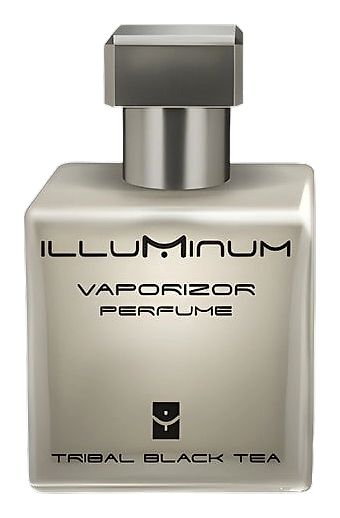
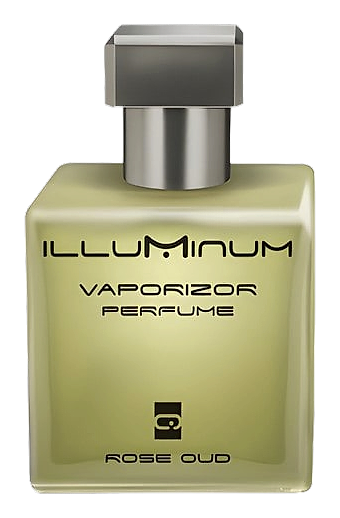
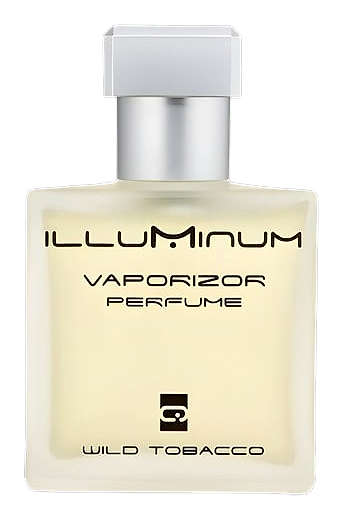
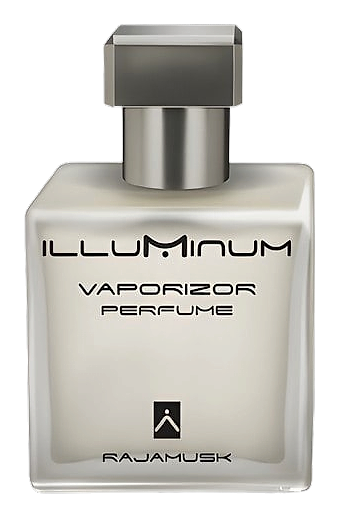
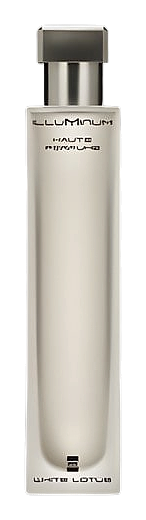
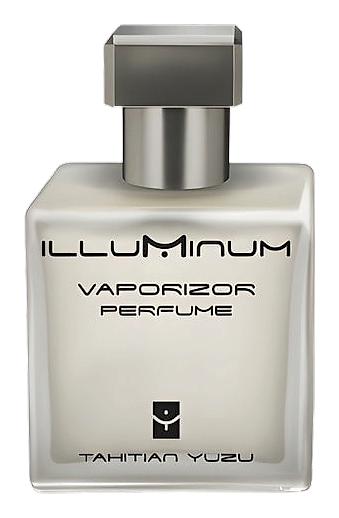
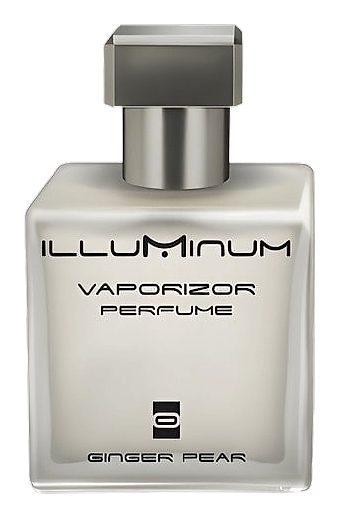
IlluminumIlluminum London is a British niche fragrance house that emerged in 2011 with a focus on high‑concentration eau de parfum. The brand builds its core around three aromatic pillars – oud, Taif rose and Indonesian patchouli – and releases limited‑edition scents that often explore the border between taste and smell. In 2016 the house invited chefs Jackson Boxer, Yuki Gomi and Tom Wolfe to translate culinary ideas into fragrance, resulting in a three‑part series that highlighted the brand’s experimental edge. Today Illuminum offers a compact catalogue of twelve distinct perfumes, each presented in a restrained bottle that lets the scent speak for itself.
The Creator
Michael BoadiBoadi's signature tends toward opulence and clarity in equal measure. His fragrances often feature rich florals, warm resins, and deep woods executed with a clean hand that keeps them from overwhelming.