The Story
Why it exists.
The beginning
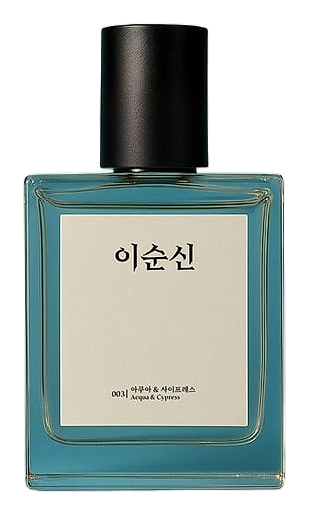
Yi Sunsin takes its name from the 16th-century Korean naval commander remembered for his victories during the Imjin War. That maritime association gives the scent an immediate elemental pull: exposed water, sharp wind, and a coastline drawn in aromatic terms. The composition does not illustrate a battle or repeat a historical recipe; it turns the commander’s world of water into an aromatic portrait built around brightness, salt, aromatic woods, and mineral greenness. Its opening has the buoyant clarity of lemon and bergamot, followed by aquatic notes that suggest moving water and cool air. As the citrus recedes, cypress and geranium introduce a sharper, leafy structure. Coconut softens the composition with rounded creaminess, while patchouli lends the base an earthy depth.
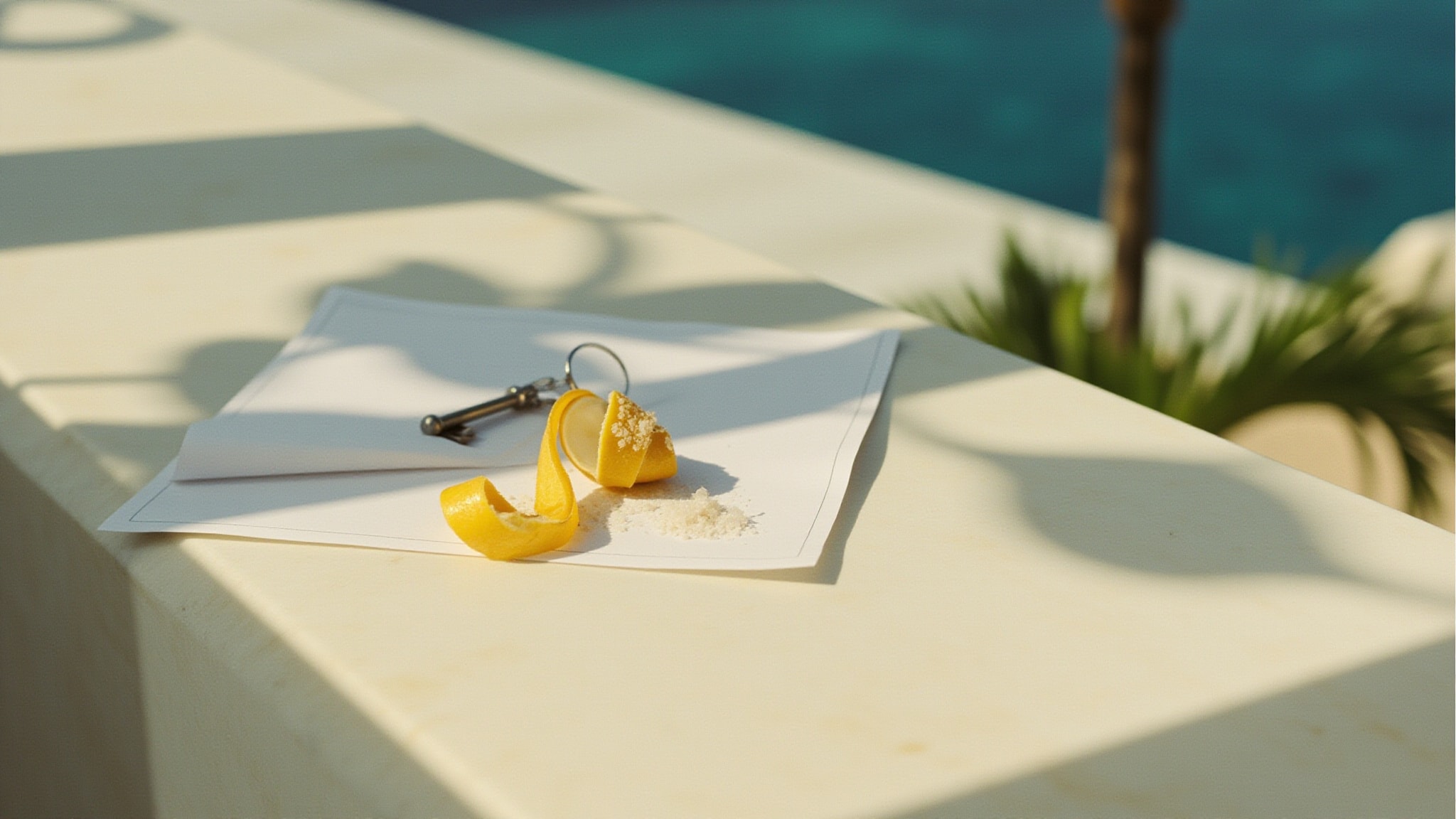
The composition becomes more interesting because its aquatic idea refuses to stay simple. Italian lemon and bergamot supply clean, brisk citrus, while aquatic notes widen the scene into open water. Cypress and geranium introduce a herbal, green edge, preventing the opening from becoming a generic cologne splash. Coconut then brings a creamy, almost sunlit quality to the water. Patchouli, cedar, and moss provide the surprise underneath: darker, earthier materials that make the composition feel less like a beach scent and more like a coast with cliffs, trees, and weathered stone beyond the surf.
The evolution
The first impression is movement. Italian lemon cuts brightly through bergamot and aquatic notes, giving Yi Sunsin the feeling of wind arriving before anything else can settle. The citrus is crisp and clear, opening the scent with a clean, buoyant quality. As it softens, cypress and geranium bring structure, like branches and sharp leaves appearing along the shoreline. Geranium adds a green, lightly floral edge, while cypress contributes a more resinous, woody texture. The drydown expands beyond the obvious marine accord. Coconut gives it a rounded, creamy warmth that contrasts with the cool opening, while patchouli deepens the base with earthy weight. Cedar and moss keep the result grounded, turning bright water into something more tactile. The coconut gradually settles into the woody materials rather than remaining distinctly sweet, and the patchouli becomes a soft, dark undertone.
Cultural impact
Yi Sunsin connects the name of a 16th-century Korean naval commander with a fragrance built around a marine aromatic landscape. The opening of lemon, bergamot, and aquatic notes conveys brightness, wind, and exposed water, while cypress and geranium add leafy, shoreline-like structure. Coconut introduces rounded warmth before patchouli, cedar, and moss create a darker, earthy drydown. This interplay gives the historical namesake a sensory presence through scent, moving from fresh maritime clarity to a grounded, green, woody finish.
The House
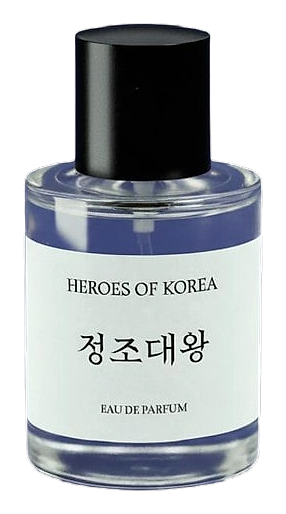
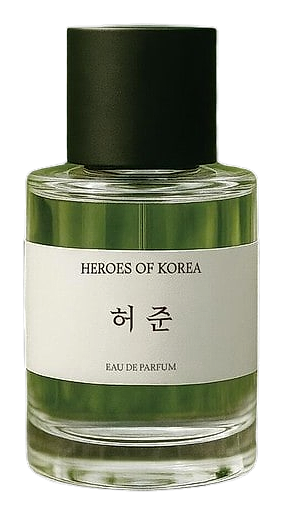
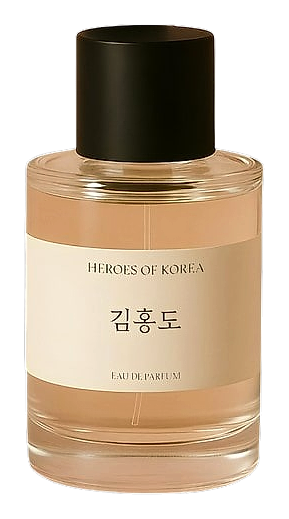
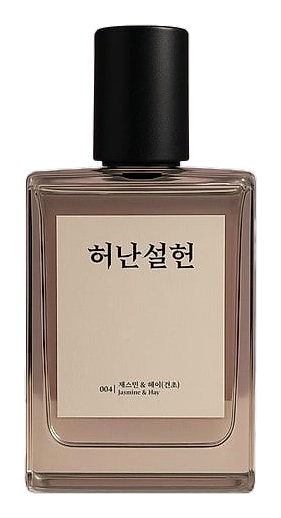
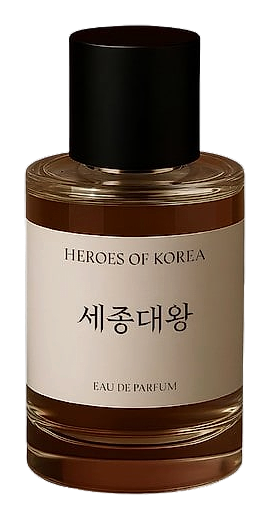
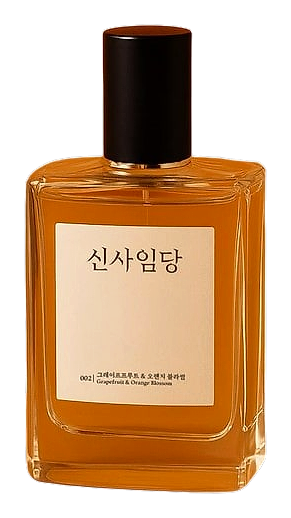
Heroes of KoreaHeroes of Korea is a Korean niche fragrance house founded by Hani Oh in 2020. Its central idea treats perfume as a record of people, places, and episodes in Korean history. The catalogue turns historical subjects into olfactory portraits, spanning figures such as King Sejong, Kim Gu, Heo Jun, Shin Saimdang, Yi Sunsin, and Heo Nanseolheon. The first released collection includes Kim Hongdo, Sejong The Great 001, Kim Gu, Heo Jun, Heo Nanseolheon, Shin Saimdang, and Yi Sunsin, all dated to 2020. Jeongjo the Great followed in 2025. Available research does not identify the perfumers responsible for these compositions, so any account of their individual creative signatures would go beyond the documented record.
The Creator
Oh HaniThe house’s fragrance style can be described as polished, modern, and deliberately edited. Oh Hani’s compositions are associated with a refined Korean perspective, where familiar perfumery conventions meet a more personal and understated sensibility.