Heritage
A house, in its own words
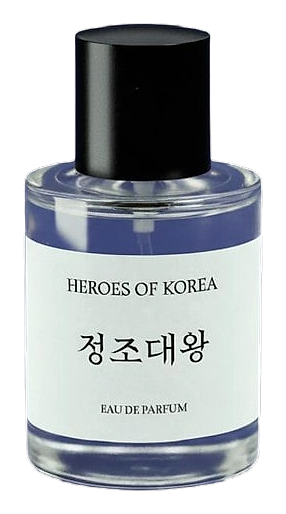
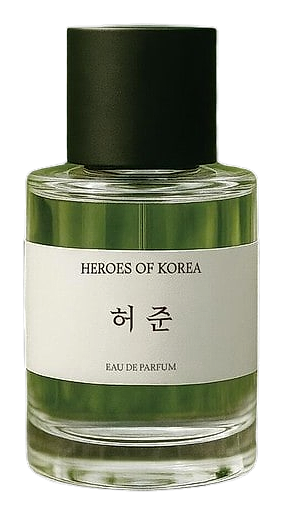
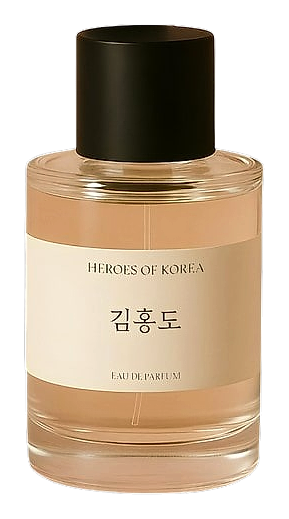
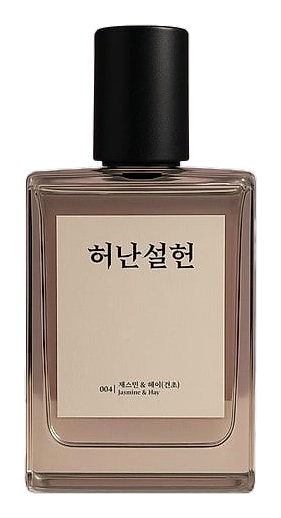
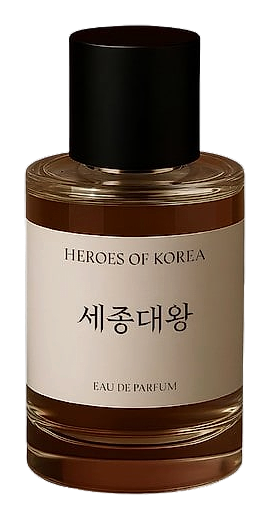
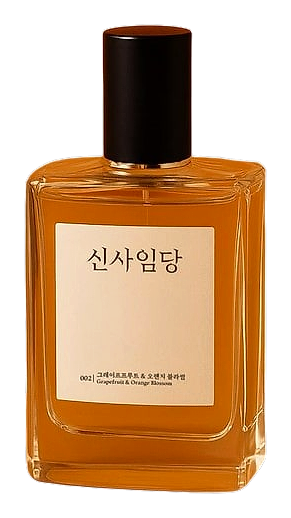
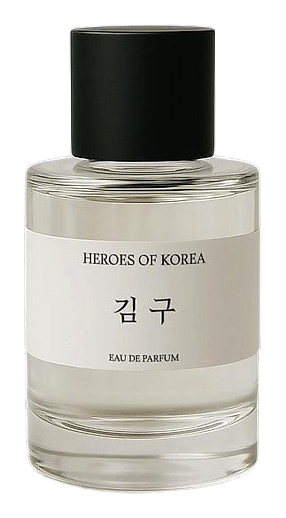
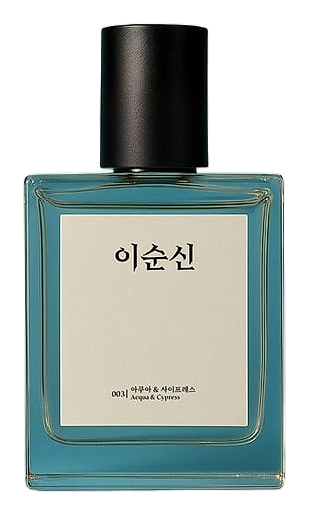
Heroes of Korea began in 2020 under founder Hani Oh. In an interview about the brand, Oh described its purpose as preserving Korean history, heroes, and culture through scent. That premise gives the house a distinct historical focus within Korea’s growing niche perfume scene. Rather than building an identity around a single abstract mood, it names fragrances after recognizable people from different periods and walks of life. Its 2020 releases include Kim Hongdo, Sejong The Great 001, Kim Gu, Heo Jun, Heo Nanseolheon, Shin Saimdang, and Yi Sunsin. These names establish an early collection grounded in notable rulers, writers, scholars, independence figures, and cultural figures. The catalogue later added Jeongjo the Great in 2025, extending that historical portraiture to another royal subject nearly five years after the first documented releases. The available sources present Heroes of Korea as an artisanal niche perfume house, but they do not provide a fuller company history, a location of origin, or detailed information about how the business developed between 2020 and 2025. It would therefore be misleading to infer milestones that are not documented. What can be verified is a clear beginning, a consistent historical subject matter, and a later release that carries the original premise forward. The brand’s founder has also linked the practice to history and healing, framing perfume as more than decoration. That framing appears in third-party interview coverage and offers a more grounded account than broad claims about cultural leadership or market standing. Heroes of Korea approaches perfume as a form of record keeping. Its founder, Hani Oh, has described the project as a means of preserving Korean history, heroes, and culture. Scent becomes the mechanism for remembering people whose influence extends beyond a single field or era. The names of the fragrances make this approach tangible. King Sejong, Kim Gu, Heo Jun, Shin Saimdang, Yi Sunsin, Heo Nanseolheon, and Jeongjo the Great are not decorative references added to an established bottle. They form the organizing concept of the perfumes themselves. This gives each release an explicit human subject and invites the wearer to encounter the collection as a series of historical portraits. An interview also asks what scent can teach about history and healing, suggesting that the brand sees fragrance as capable of opening reflection on both collective memory and personal experience. Heroes of Korea does not present those subjects only through triumph or spectacle. Its catalogue includes writers, scholars, rulers, independence figures, and women whose lives can be associated with intellectual work, public duty, creativity, resilience, or cultural memory. The documented materials do not reveal a fixed olfactive formula for the house. Nor do they show whether each scent is intended to reconstruct a historically accurate aroma, evoke a symbolic quality, or combine both approaches. It is safer to describe the philosophy at the level the evidence supports: historical people act as the point of departure, and perfume becomes a sensory way to remember them. The house’s value lies in this specificity, not in a vague celebration of Korea.