Oh Hani
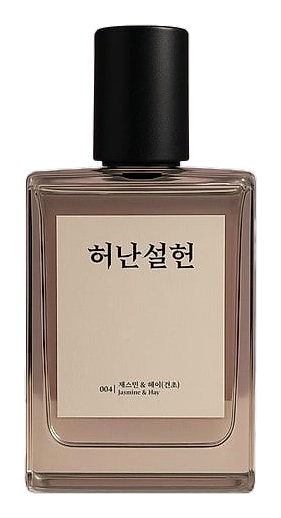
Oh Hani is a Korean fragrance house known for refined, contemporary compositions, though the available profile does not identify a resident perfumer or verify individual training and career milestones. As a result, it would be inaccurate to assign Oh Hani a personal biography, specialist background, or a specific breakthrough fragrance. The house appears to operate as a collective identity rather than the public persona of a single “nose.” Its appeal lies in presenting perfume through a clear artistic point of view, combining Korean perfumery with selective classical materials and a restrained, modern sensibility. That distinction matters: perfumers are trained professionals who develop and balance compositions, but the creative authorship of Oh Hani’s releases cannot be established beyond the house itself without confirmed credits.
The hits
Notable creations
The signature
How Oh composes
The house’s fragrance style can be described as polished, modern, and deliberately edited. Oh Hani’s compositions are associated with a refined Korean perspective, where familiar perfumery conventions meet a more personal and understated sensibility. Materials likely need balance here: florals for lift, woods or musks for structure, and subtle spice or fruit accents for tension and focus. Those are stylistic possibilities rather than a verified ingredient list, since the available research does not provide a confirmed note pyramid or perfumer credit. What can be said with confidence is that the house favors an elegant, controlled presentation. Its signatures depend less on immediate impact than on proportion, texture, and the way a fragrance settles close to the wearer over time.
Philosophy
What drives Oh
Oh Hani’s philosophy appears rooted in clarity, restraint, and emotional precision. Rather than insisting on spectacle, the house seems to favor compositions with enough space for individual notes to register and enough structure to remain coherent on skin. This approach reflects a broader perfumery principle: a fragrance succeeds when its materials are carefully proportioned, allowing the composition to unfold gradually without losing its sense of direction. The supplied information does not confirm the exact inspirations behind the house’s work, so claims about a formal creative manifesto would be speculative. Still, the tone of Oh Hani suggests a preference for sophistication over excess, with each element serving the whole and wearers left with a distinct impression rather than a crowded sequence of effects.
The houses