The Story
Why it exists.
The beginning
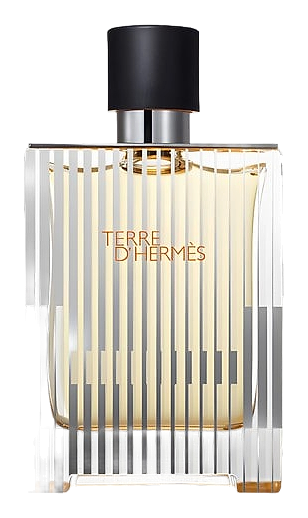
This collector's edition arrived in 2009, housed in a special Flacon H bottle designed by Philippe Mouquet. The bottle itself is built more like sculpture than packaging, giving the juice inside a frame that feels deliberate rather than disposable. The scent rests on a foundation built from contrasting elements: soil, stone, and root on one side, citrus zest, spice, and resin on the other. There's an honesty to the way those notes are set against each other, like rough and polished surfaces of the same mineral. The Flacon H 2009 edition holds that tension in glass, presenting the fragrance as something closer to an object than a product.
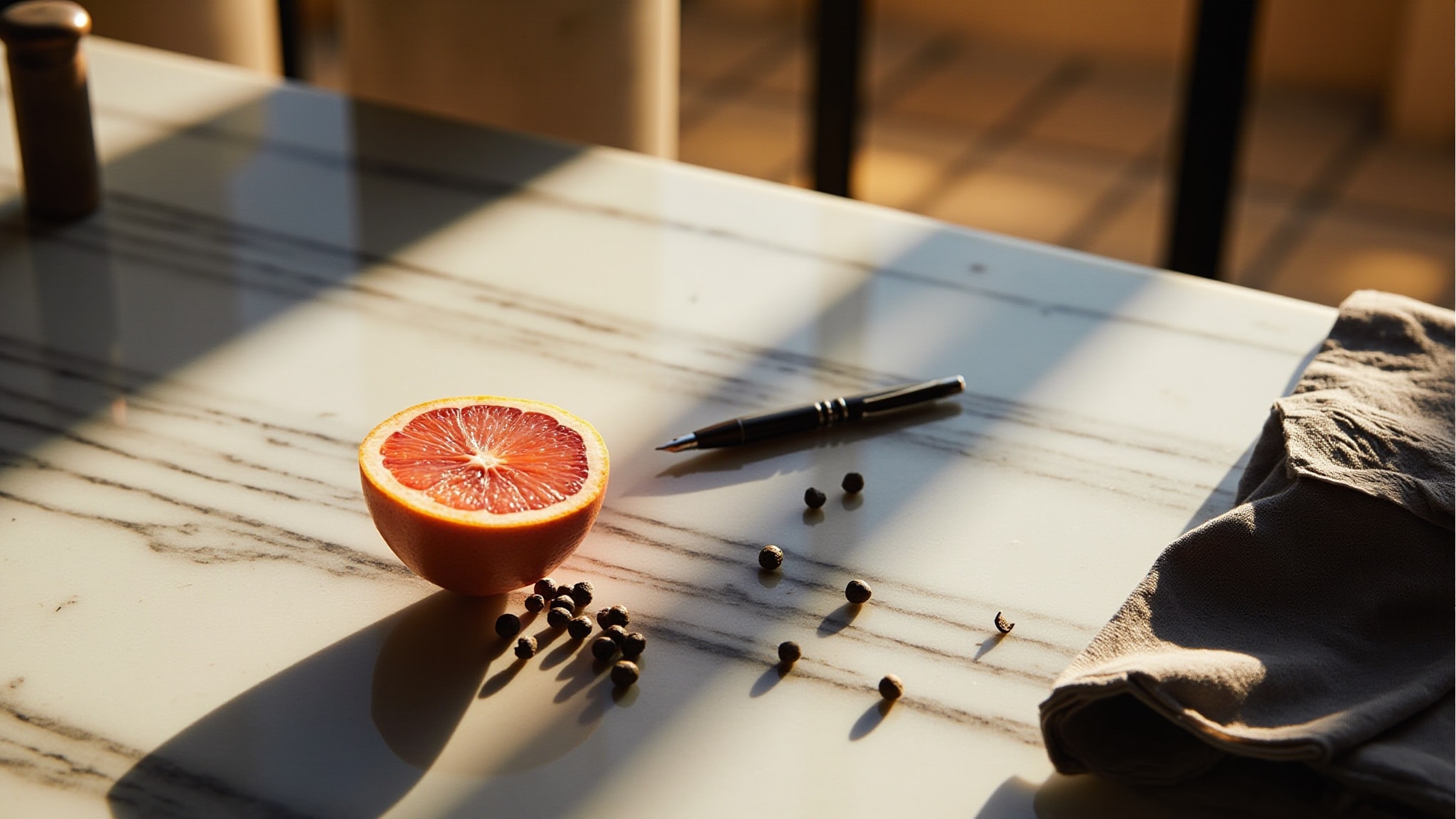
What makes this composition distinctive isn't any single note but the negotiation happening between them. Orange and grapefruit supply brightness, but they're not playing the role of a typical fresh top, they function more like sunlight on a surface. Black pepper and geranium add a controlled warmth through the middle. Then the base anchors everything: vetiver and patchouli provide that earthy backbone while cedar adds structure and benzoin delivers a quiet sweetness that prevents the whole thing from turning austere.
The evolution
The first 15 minutes belong to grapefruit, sharp and almost metallic, cutting through the air with the kind of clarity that makes you check whether someone opened a window. Orange softens the edges slightly, bringing a rounded sweetness underneath the citrus snap. By the 30-minute mark, black pepper starts warming the composition, adding a low heat that sits beneath the fruit rather than competing with it. The geranium steps in around the 45-minute mark, adding a green, slightly floral facet that bridges the bright opening to the earthier base. The transition is gradual enough that you might not notice when citrus fully exits. By hour two, vetiver has taken over. It's a green, rooty presence that feels alive on skin, less like a single note and more like the smell of damp ground after rainfall.
Cultural impact
Terre d'Hermès occupies a particular kind of space in modern fragrance: distinctive without being loud, structured without being sterile. Wearers tend to be people who want something that feels considered, something that reads as deliberate choice rather than trend. It has a quiet authority on skin, the kind that gets noticed by people who are already standing close to you rather than across a room. The composition leans into earth and mineral in a way that makes vetiver approachable for someone who hasn't really worn it before, softening what can sometimes read as sharp or grassy in other formulations.