
The Story
Why it exists.
The beginning
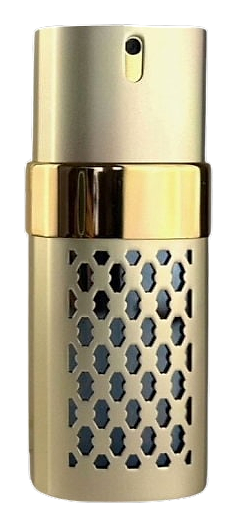
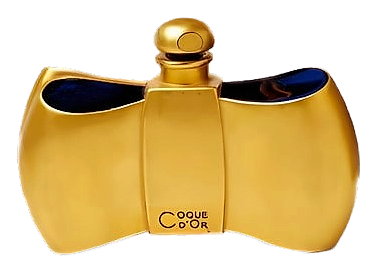
Jacques Guerlain dedicated Coque d'Or to his friend Sergei Diaghilev, founder of Ballet de Russe, the dance company that transformed early twentieth-century performance. The name references Rimsky-Korsakov's opera The Golden Shell. In 1937, Guerlain released this extrait as a statement about what refinement could be. The opening unfolds with aldehydes lifting peach, citruses, orange, and aniseed into something immediately luminous. The heart threads cyclamen, jasmine, iris, and violet through rose, carnation, clove, and lavender, creating a powder-warm floral complexity that refuses to settle. The base anchors everything with oakmoss, leather, amber, musk, patchouli, civet, vanilla, tolu balm, vetiver, and labdanum.
The spice is the tell. Clove and carnation arrive like a slow burn, warming the powdery iris and making it something more than sweetness. Cyclamen and jasmine add their weight to the floral heart, while lavender lends its herbaceous edge. Oakmoss, labdanum, and vetiver anchor everything with a mossy, resinous depth that lingers on skin long after the florals have settled. Patchouli, tolu balm, and musk weave through the base, while vanilla and civet add their warm, animalic presence.
The evolution
The opening doesn't whisper. It arrives. Peach and citrus oils hit bright and immediate, aldehydes add a waxy shimmer that elevates the fruit into something almost golden. Then the florals take over within minutes. Iris leads, with its powdery, slightly metallic presence. Rose and violet follow, and clove adds that sharp, spiced warmth that makes the powder feel less sweet, more grown-up. The drydown is where Guerlain's classical training shows. Oakmoss and leather emerge as the base, earthy, slightly animalic, like a worn leather chair in a room with plants. Amber and sandalwood add warmth underneath, creamy and resinous. The whole composition settles into something that feels both timeless and deeply personal. What remains on fabric hours later is that warm, golden trail, sandalwood and amber, barely there but impossible to ignore. The kind of presence that makes people lean in rather than step back.
Cultural impact
Coque d'Or occupies a particular space in the Guerlain canon, neither the house's most famous extrait nor its most obscure, but genuinely revered among those who know it. As a 1937 creation, it belongs to an era when perfumery was still an art form practiced with ambition and restraint in equal measure. The fragrance represents the classical chypre at its most complex, a structure of intricate layering that rewards close attention. Its aldehydic opening, powdery heart, and mossy base work together in ways that feel both timeless and distinctly of their moment.