The Story
Why it exists.
The beginning
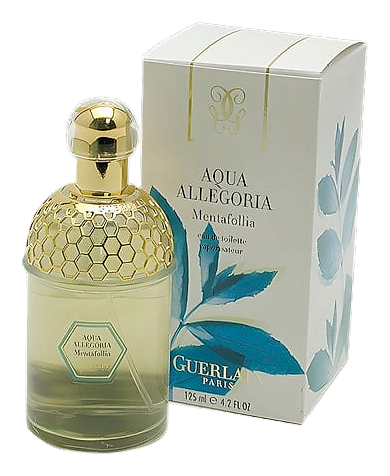
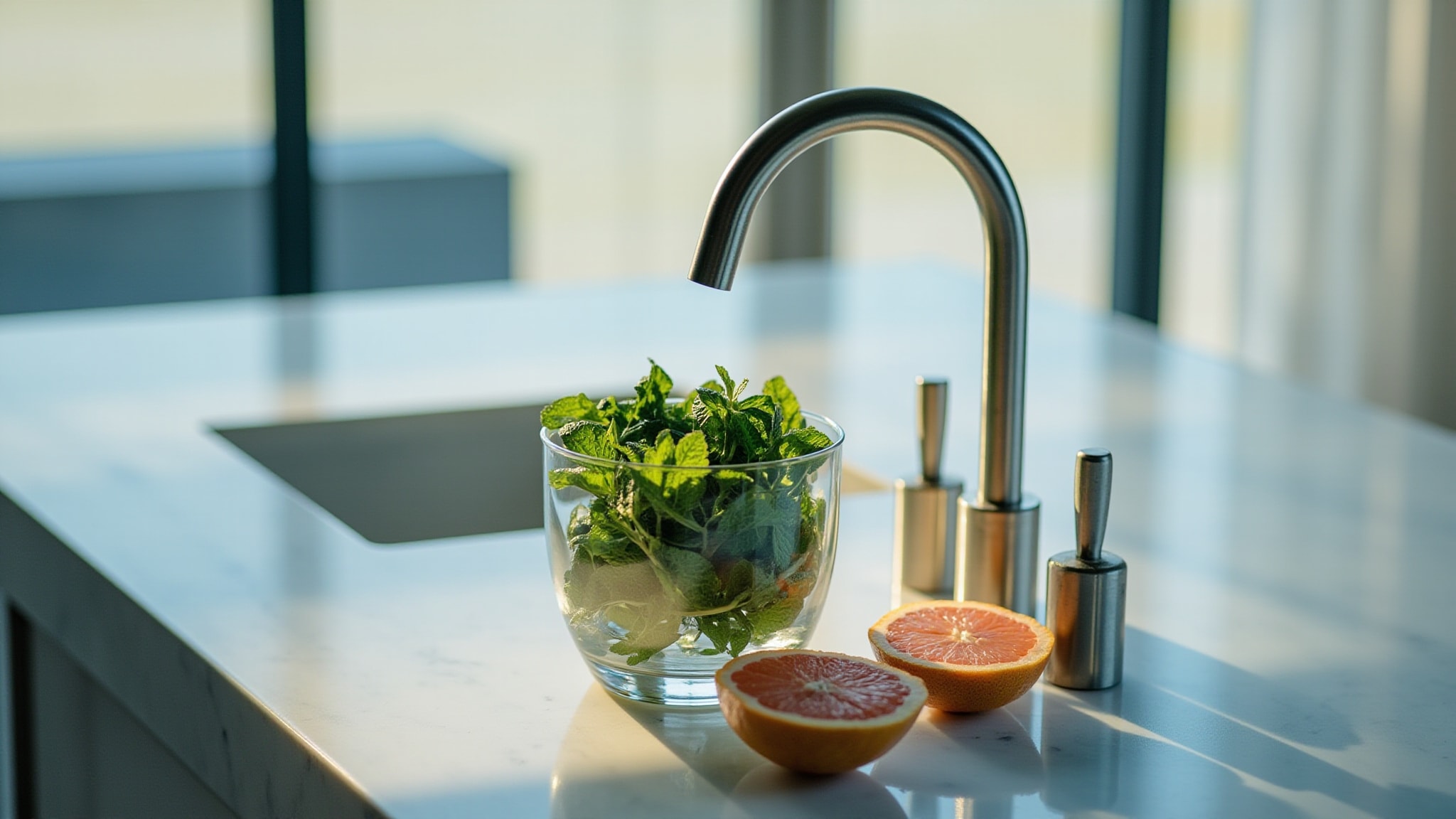
Aqua Allegoria Mentafollia arrived in 2004 from the bench of Jean-Paul Guerlain. The Aqua Allegoria line draws from the language of gardens, a series of eaux de toilette built around a single highlighted note each, with everything else there to frame it. Mentafollia's theme was mint. Jean-Paul opened with bright citrus and herbal greenness at the top, let a floral heart carry the middle, and brought the composition down to a clean woody close. The mint reads as the bright, cooling leaf rather than something confectionary or bracing, and it sets the temperature for everything that follows. The result was a garden snapshot, dewy and brief, the kind of composition meant to be worn and refreshed rather than rationed.
What makes the composition interesting is the restraint. Mint is a note that easily takes over a composition, and it takes a steady hand to keep it in conversation with the rest. Jean-Paul kept it present without letting it dominate, allowing it to move through the composition in dialogue with grapefruit and mandarin at the top, with green tea and rose in the middle, and with cedar and woody notes at the base. The green tea accord does much of the bridging work, softening the cooling sharpness of mint and giving it a gentle, almost steeped warmth.
The evolution
The first ten minutes are the loudest the fragrance will ever be. Grapefruit and mandarin arrive bright and almost fizzy, with mint riding underneath like a current. Within thirty minutes the citrus pulls back and the heart takes over: green tea, a whisper of jasmine, and a rose so soft it reads more as color than scent. The mint does not leave. It simply changes registers, from cooling to herbal, from sharp leaf to something softer and greener. By hour three, the cedar and woody base have settled in, and the whole thing has gone clean and slightly cool. What lingers past the workday is mostly the woody close and a trace of that green tea, faint enough that you catch it only when you move your wrist. It does not announce you to a room. It announces itself to you.
Cultural impact
Mentafollia is the Aqua Allegoria that mint lovers reach for. It wears less like a Guerlain and more like a cool drink on a hot afternoon, which is exactly the appeal. Wearers who want Shalimar's weight will not find it here. Wearers who want a clean, green, genuinely refreshing scent that still carries a perfumer's hand will. Production is apparently discontinued, which gives it a quiet collector's pull among fans of the line, but it is not a fragrance that shouts for attention. It does a particular thing, and it does that thing well.
The House
GuerlainGuerlain stands as one of the oldest and most revered perfume houses in the world, founded in Paris in 1828 by Pierre-François-Pascal Guerlain. What began as a boutique on rue de Rivoli quickly became the preferred destination for Parisian society, attracting dandies and elegant women who sought custom-crafted fragrances. The house's influence grew to such heights that Guerlain earned the title of Official Perfumer to Napoleon III after presenting Eau de Cologne Impériale to Empress Eugénie as a wedding gift in 1853. This royal patronage marked the beginning of Guerlain's enduring association with European aristocracy, as the house went on to create fragrances for Queen Victoria and Queen Isabella II of Spain. Today, under the creative direction of Thierry Wasser, the fifth-generation perfumer, Guerlain continues to shape the landscape of fine fragrance with a portfolio spanning over 1,100 olfactory creations. The house remains headquartered at its legendary Champs-Élysées mansion, a historic monument that anchors Guerlain's position at the intersection of heritage and contemporary luxury.
The Creator
Jean-Paul GuerlainJean-Paul Guerlain's style resists easy categorization, though richness and depth define nearly every composition. He favored opulent oriental structures, warm woods and resins, and florals treated with almost sculptural precision.