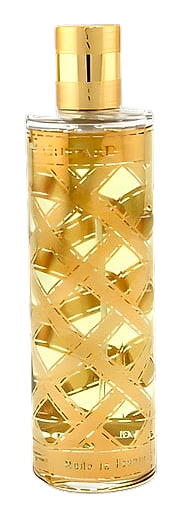


The Story
Why it exists.
The beginning
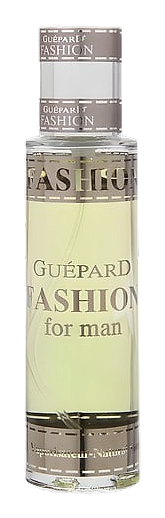
Fashion Woman arrived in 2004, signed by Annick Gault and released alongside its masculine counterpart, Fashion Man. The composition leans fully into fruit-forward territory, an unapologetically sweet construction that treats every note as part of the wardrobe. Gault's reading of the brief feels deliberate and styled, a scent aware of itself the moment it hits skin. Banana, blackcurrant, fig, and raisin open with the kind of ripeness that fills a room before the wearer has crossed it. Geranium, jasmine, orange blossom, and rose arrive as a white floral heart, clean and full against all that sweetness. Patchouli, sandalwood, and benzoin close the composition with the kind of grounding that makes the fruit feel edible rather than candy-coated.
What sets Fashion Woman apart is its willingness to lead with banana, blackcurrant, fig, and raisin, a quartet that most compositions would treat as supporting players. Pairing those four sweet openings against a white floral heart of geranium, jasmine, orange blossom, and rose gives the fragrance its particular shape, with each side softening and sharpening the other in turn. The base of patchouli, sandalwood, and benzoin is where the composition earns its seriousness, laying down the warm, resinous floor that everything else rests on.
The evolution
On skin, the opening arrives dense and confection-like. Banana and fig collide first, with blackcurrant adding a darker edge and raisin pulling toward wine territory. The sweetness is loud but not cloying, more like ripe fruit at room temperature than candy. As the opening softens, the florals begin to surface, and rose takes the lead, warmer and spicier than the white jasmine and orange blossom that support it. Geranium adds a green sharpness that keeps the heart from going too soft. Eventually the fruit recedes, and the composition settles into its drydown: benzoin brings a warm, almost caramelized depth, sandalwood adds creamy woodiness, and patchouli grounds everything with that earthy, slightly bitter edge. The final hours belong to the base.
Cultural impact
Fashion Woman arrived in 2004, composed by Annick Gault alongside its masculine counterpart Fashion Man, a matched release that placed it firmly within the Guepard house's signature approach. The composition leans hard into an unlikely quartet at the top: banana, blackcurrant, fig, and raisin, each given space to register clearly. That quartet sets the tone for everything that follows, with a white floral heart of geranium, jasmine, orange blossom, and rose providing the soft counterweight. The base of patchouli, sandalwood, and benzoin anchors the sweetness with resinous depth.
The House
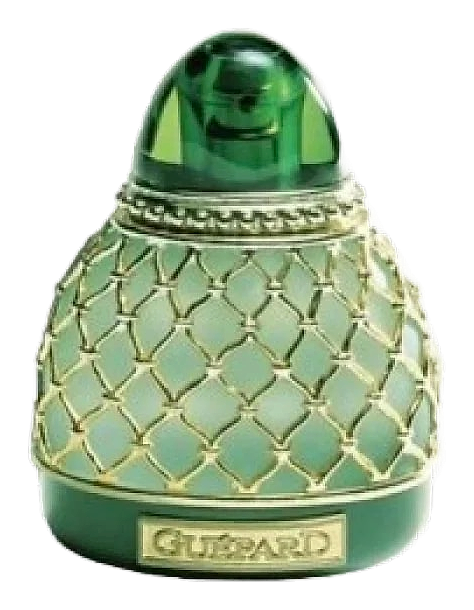
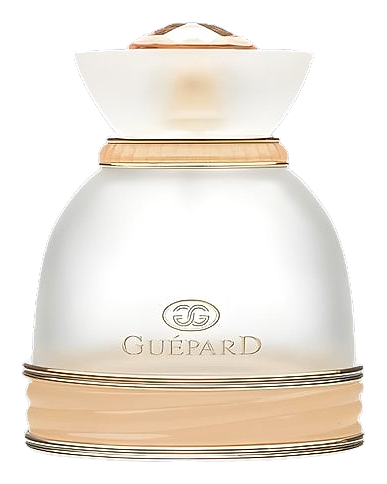
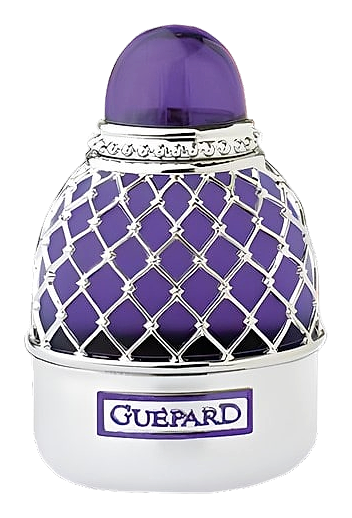
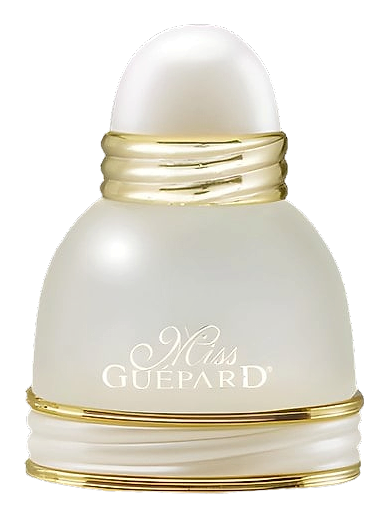
GuepardGuepard represents a distinctive chapter in French perfumery history, emerging as a niche expression within the lineage of one of Paris oldest fragrance houses. The brand first appeared with a chypre and spicy women's fragrance in 1997, quickly expanding its offerings to include complementary scents for men. The distinctive bottle design, shaped to evoke the brand's identity, became an immediate visual signature. Throughout its active years, Guepard released several notable flankers and variations including Miss Guepard in 2001 and the Espiegle composition in 2003, demonstrating a willingness to experiment with different olfactory directions while maintaining a cohesive brand identity. The Fashion Man and Fashion Woman duo of 2004 marked the brands final major release period. Though the house operates quietly within the broader fragrance landscape, Guepard carved a dedicated following among collectors who appreciate its historic roots combined with contemporary chypre sensibilities. The brands restraint in market presence, avoiding aggressive commercial expansion, has contributed to an air of exclusivity that appeals to fragrance enthusiasts seeking less mainstream options.
The Creator
Annick GaultGault's signature rests on her devotion to beautifully sourced materials, a hallmark that defines every release under her name. She gravitates toward compositions with classical structure and a soft, enveloping presence, favoring the kind of scent that feels inevitable rather…