
The Story
Why it exists.
The beginning
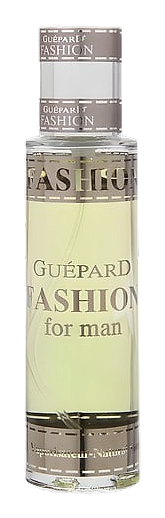
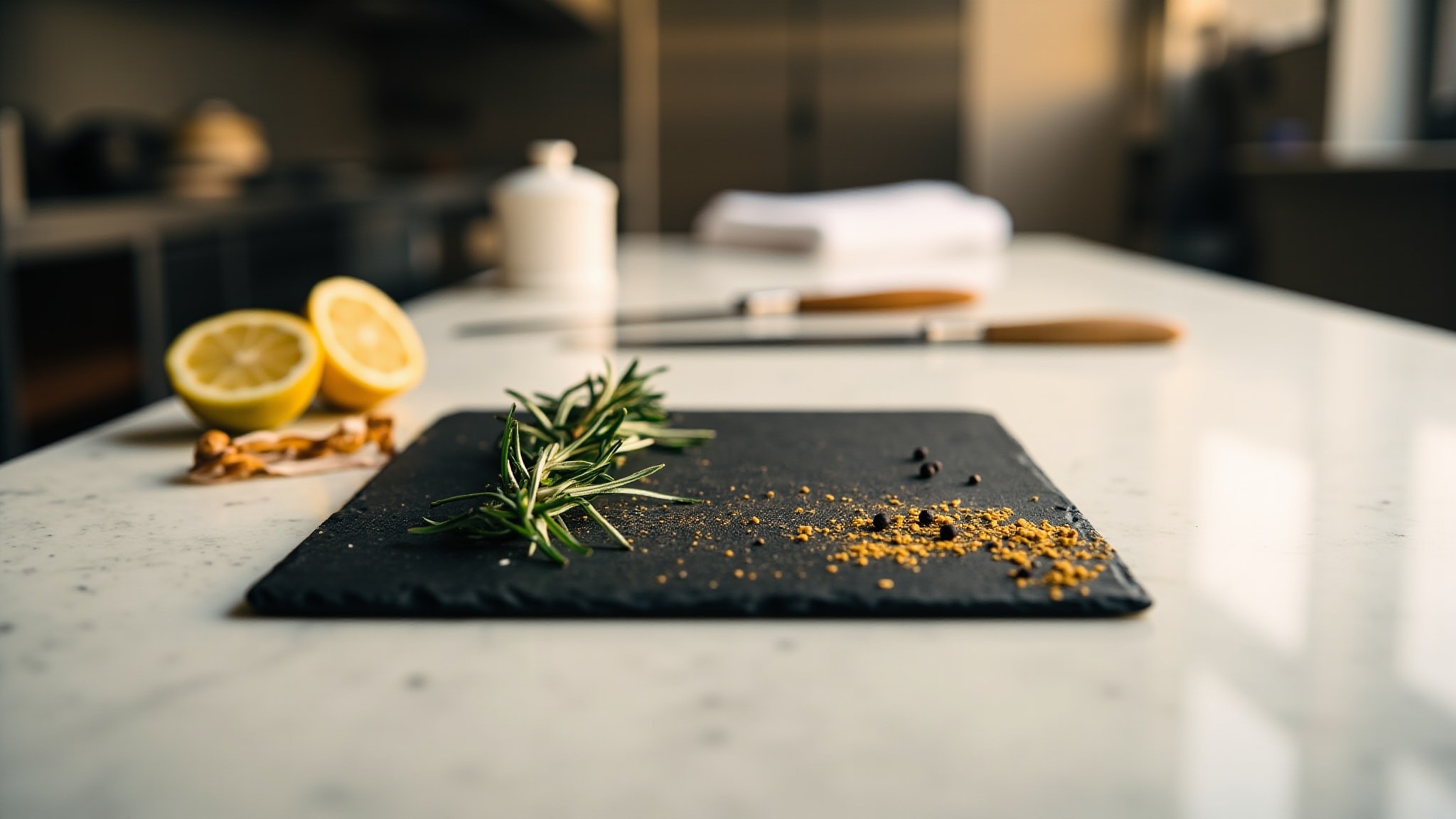
Fashion Man was composed by Annick Gault as a study in clean masculinity, built around herbal materials treated with the seriousness usually reserved for more conventional aromatics. The name points clearly to its intent: something modern, dressed but never overdressed, aimed at a man who treats grooming as a habit rather than a statement. Gault's approach borrows the structure of a working kitchen rather than a perfumery showroom, placing oregano, rosemary, and coriander at the heart where spice typically lives, and grounding the whole composition in cedar and leather. The result is a men's fragrance that feels considered rather than declarative, the kind of scent that rewards attention without demanding it.
What makes the composition interesting is how it treats oregano as a serious perfumery material rather than a cooking afterthought. Gault places it alongside rosemary and coriander in the heart, where the green trio becomes the structural center of the scent. That combination of green, pungent herbs gives the fragrance a savory dimension, lifting it out of the usual aromatic-spicy template with an almost culinary character. The cedar and leather in the base keep it grounded, providing a dry, woody architecture that prevents the herbs from floating off into pure freshness.
The evolution
The first ten minutes are bright and almost sharp, bergamot and Amalfi lemon behaving more like a squeeze of citrus over ice than a polite cologne top. The spices arrive within minutes, warming the citrus without sweetening it, and by the twenty-minute mark the rosemary and oregano have taken over completely. The heart is the main event: green, pungent, slightly camphorated, with coriander adding a peppery lift underneath. After about two hours the composition begins to shift, the herbs retreating as cedar starts to carry the weight, and the leather emerges in a quiet, suede-like register rather than anything smoky or aggressive. The patchouli shows up last, dry and earthy, sitting beneath the cedar like a forest floor. Six hours in the close is mostly wood, with the herbs reduced to a memory and the leather worn smooth against skin.
Cultural impact
Fashion Man finds its audience among wearers who want herbal complexity in their bottle, the kind of scent that reveals itself slowly rather than announcing itself loudly. It's a composition that rewards sustained wear, particularly notable for its use of oregano in a formal perfumery structure where that ingredient rarely appears. The scent has earned a quiet reputation for originality through its unconventional material choices and the way it treats culinary herbs as serious aromatic building blocks.
The House
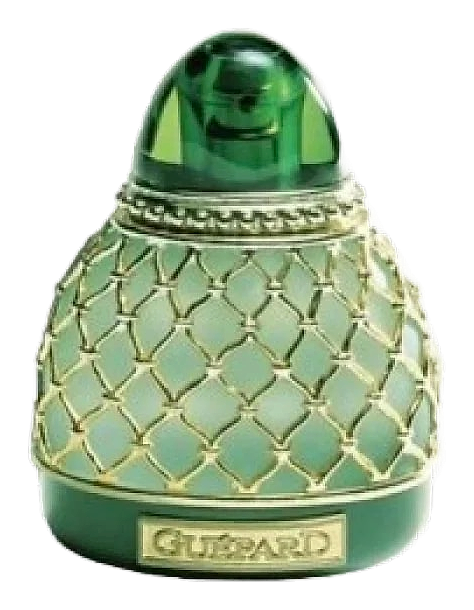
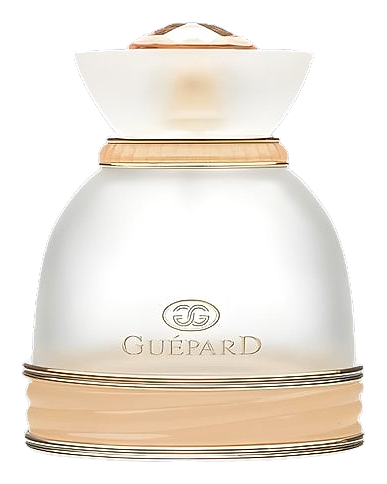
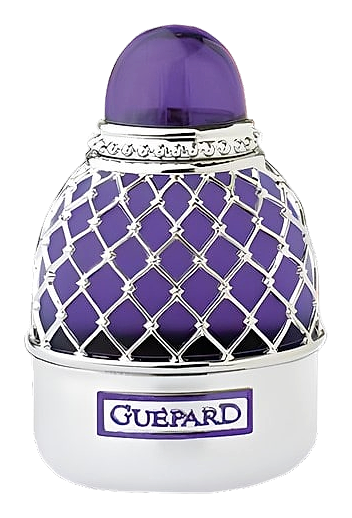
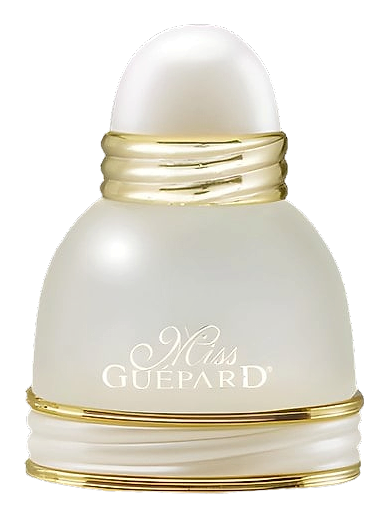
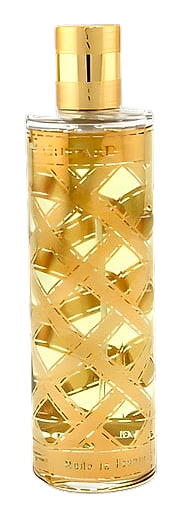
GuepardGuepard represents a distinctive chapter in French perfumery history, emerging as a niche expression within the lineage of one of Paris oldest fragrance houses. The brand first appeared with a chypre and spicy women's fragrance in 1997, quickly expanding its offerings to include complementary scents for men. The distinctive bottle design, shaped to evoke the brand's identity, became an immediate visual signature. Throughout its active years, Guepard released several notable flankers and variations including Miss Guepard in 2001 and the Espiegle composition in 2003, demonstrating a willingness to experiment with different olfactory directions while maintaining a cohesive brand identity. The Fashion Man and Fashion Woman duo of 2004 marked the brands final major release period. Though the house operates quietly within the broader fragrance landscape, Guepard carved a dedicated following among collectors who appreciate its historic roots combined with contemporary chypre sensibilities. The brands restraint in market presence, avoiding aggressive commercial expansion, has contributed to an air of exclusivity that appeals to fragrance enthusiasts seeking less mainstream options.
The Creator
Annick GaultGault's signature rests on her devotion to beautifully sourced materials, a hallmark that defines every release under her name. She gravitates toward compositions with classical structure and a soft, enveloping presence, favoring the kind of scent that feels inevitable rather…