The Story
Why it exists.
The beginning
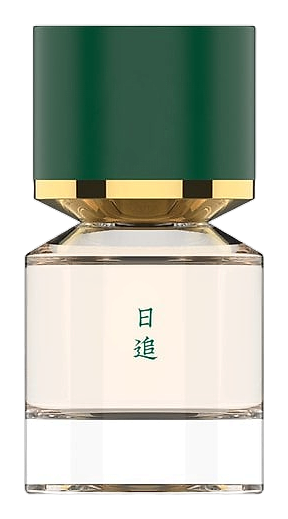
Rikhrod 日追 was composed by Maxence Moutte for Fukudo 浮香堂, a Chinese house that works at the intersection of East Asian aromatic tradition and contemporary niche perfumery. The name 日追, read literally as characters for sun and chase, points toward something devotional, a daily pursuit of light through incense, smoke, and ritual. Fukudo's aesthetic pulls from materials with deep roots in regional practice, and Rikhrod sits firmly inside that philosophy. It reads less like a fragrance designed to be worn and more like a chamber built around specific atmospheric materials, artemisia, angelica, moss, labdanum, each chosen for its weight in the composition. The opening carries a cool, herbal gravity that recalls bitter tinctures and temple corridors.
What defines Rikhrod is the frankness of its medicinal character. The artemisia and angelica appear unsoftened, sharp and bitter, the way mugwort tea tastes before honey finds its way in. There's no gentling veil of citrus to blunt the herbs, no familiar floral cushion to make them approachable. The moss and labdanum in the middle add density rather than sweetness, like damp stone in an enclosed room. And then there's the castoreum anchoring the base, which pulls the whole thing into leather and animal territory without ever crossing into the aggressive.
The evolution
On skin, Rikhrod moves through a series of distinct atmospheric phases. The opening phase is cold and green, with artemisia and angelica cutting through with an herbal sharpness that reads medicinal rather than culinary, think pharmacy, not kitchen. As the composition develops, the heart materials arrive and begin softening the edges without dulling them. The composition gets denser, heavier, more textured. Leather undertones from the castoreum begin to emerge, and the labdanum starts pulling the temperature up from cold stone to warm stone. The patchouli settles underneath everything, giving the heart phase a woody gravity that keeps the lighter notes from floating away. Later, the base notes take over, and this is where Rikhrod becomes most fully itself.
Cultural impact
Rikhrod treats regional ingredients, artemisia, angelica, huang lian, and specific Chinese medicinal herbs, as primary structural elements rather than decorative accents. The formula leans into materials with deep roots in East Asian pharmacopeia and temple practice, materials that carry meaning far beyond their aromatic profile. It's a fragrance that wears its identity openly and doesn't sand down the rougher edges of its ingredients to make them more palatable. The specificity of those choices is what makes it memorable, an honest encounter with a particular tradition of aromatic materials rather than a generalized nod to the category.